A new set of U.S. financial restrictions against Russia will not go into effect as planned this weekend. President Donald Trump authorized a suspension on Friday, October 16, leaving unused several measures Congress approved to put economic pressure on Moscow during its continuing war with Ukraine.
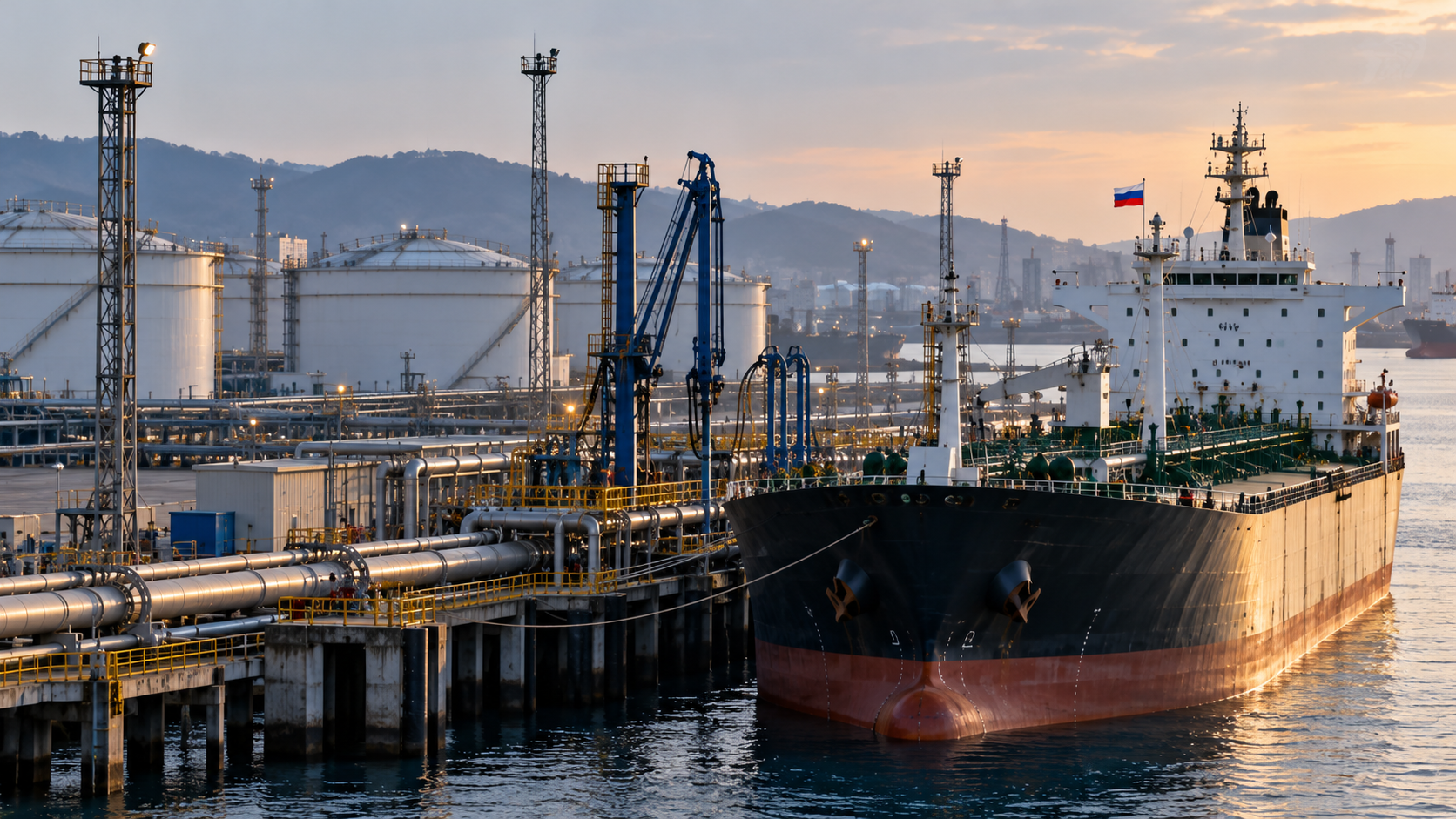
The decision means Russian banks, government officials and businesses involved in energy shipments will not face the additional penalties outlined in the recently passed legislation. Countries that continue buying large amounts of Russian fuel will also avoid new tariffs under the law for now.
The White House says the timing is connected to efforts to negotiate an end to the fighting. Spokesperson Taylor Rogers explained Saturday that applying the restrictions while discussions are underway could make reaching an agreement more difficult.
Trump has not permanently discarded the sanctions. His executive order leaves open the possibility of imposing them later, depending on developments and decisions made by the administration.
The change comes during an unusual period in American relations with Russia. Just a week earlier, Trump announced an arrangement for Russian diesel to enter U.S. and international markets, hoping additional supplies would help ease rising fuel costs.
Russia agreed to provide an initial shipment exceeding 300,000 tons, with another 500,000 tons expected in November. Trump also announced plans for 1 million more tons to follow. The purchases have raised questions in Congress about whether payments for Russian energy could weaken efforts to restrict Moscow’s ability to finance the war.
The legislation itself had taken months to develop. Republican Sen. Lindsey Graham of South Carolina helped lead the effort before his death in July, working alongside Democratic Sen. Richard Blumenthal of Connecticut.
Congress eventually approved the package with support from both parties. Its provisions covered financial transactions, purchases of Russian government debt, investment restrictions and vessels involved in transporting oil. Some proposed tariffs reached 500%.
Not everyone who voted for stronger restrictions agrees with the president’s decision to delay them.
North Carolina Republican Sen. Thom Tillis pointed to the Senate’s 86-11 vote as he criticized the administration. Texas Republican Sen. John Cornyn also objected, arguing that Graham would have opposed suspending the measures he had worked to establish.
Rep. Thomas Massie of Kentucky took a different position. Having opposed the legislation when Congress considered it, Massie supported Trump’s decision to exercise the authority included in the law.
Ukraine’s president, Volodymyr Zelenskyy, expressed concern that Russia would interpret the suspension as a reason to continue military operations. He thanked the American lawmakers who supported the original sanctions package.
The dispute has also reached the campaign trail in South Carolina. Darline Graham, who took over her brother’s Senate seat following his death, has defended the legislation while recognizing Trump’s authority to decide when its penalties should apply.
She said Saturday that she personally favors continuing economic pressure on Russia. Graham is seeking election to the seat against Democrat Annie Andrews.
For now, the additional restrictions remain inactive without a specific date for reconsideration. Existing sanctions are not automatically canceled by Friday’s order, although the administration has also suspended a provision that would have required those earlier measures to remain in place.
This image is the property of The New Dispatch LLC and is not licenseable for external use without explicit written permission.