Online gambling companies in Brazil have been forced to shut down their platforms after President Luiz Inácio Lula da Silva ordered an end to the country’s legal online betting industry.
The shutdown was completed October 6, leaving customers unable to access the betting services that had been operating legally just days earlier. Gambling advertisements were also taken down. Players had been given until October 5 to collect any money left in their accounts.
Lula issued the order on September 25, saying gambling was putting too much financial pressure on Brazilian families. He has also raised concerns about addiction and the health problems associated with betting.
The restrictions are already being enforced, but their future remains uncertain. Brazilian lawmakers have 120 days from the original order to decide whether the ban will continue.
The government estimates that Brazilians spend about 60 billion reais, equivalent to $11.57 billion, on internet gambling each year. Betting companies had also been providing the government with billions in tax payments.
It is a sharp change for an industry that Brazil spent years bringing under government supervision.
The country first opened its market to internet betting in 2018, during Michel Temer’s presidency. For several years, companies operated without the detailed rules that were eventually introduced under Lula in 2023.
Those regulations created a licensing system for gambling businesses. By January 2025, approved companies could offer their services throughout Brazil, provided they met the government’s conditions and paid the required fees.
There were 85 licensed businesses in the market before the shutdown, running close to 190 different betting platforms.
Some of those companies are now fighting the ban in court. They argue that they spent money obtaining licenses and following government rules, only to have permission to operate taken away.
Industry groups also believe gamblers may simply move to unlicensed websites rather than stop betting altogether. The government has responded by targeting illegal operators, requesting blocks on thousands of websites and social media accounts.
Brazilian soccer is dealing with another consequence of the decision.
Gambling businesses had become major financial supporters of professional teams, paying for advertising on uniforms and other sponsorship arrangements. At least 13 clubs in Brazil’s top division had agreements collectively valued at around 1 billion reais per year.
Flamengo has warned that losing this money could affect several parts of its sports operations, including programs for younger athletes and women’s teams.
The ban has drawn criticism in Brazilian politics as well. Flávio Bolsonaro, who challenged Lula in the presidential election, accused the president of making the decision for political reasons. The announcement came shortly before the October 4 vote.
Lula also introduced a separate plan to help Brazilians struggling with unpaid bills.
Under that proposal, the government would use 15 billion reais to purchase older consumer debts for a fraction of their original value. Borrowers could then settle what they owe at much lower amounts.
The first debt purchases are planned for November. The program would cover certain credit card and personal loan debts that have remained unpaid for at least two years, with a maximum eligible debt of 10,000 reais.
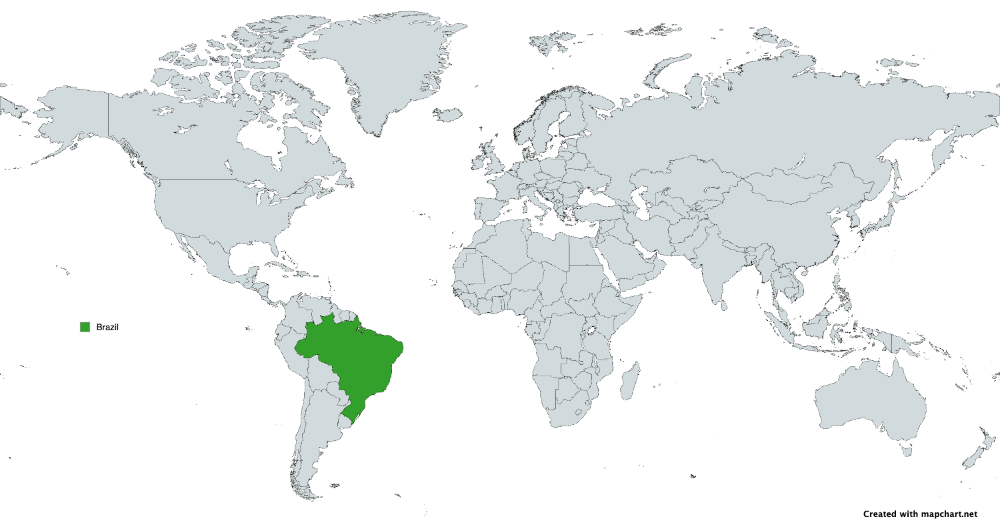
Brazil = Green
Image is licensed under the Creative Commons Attribution-Share Alike 4.0 International license and was created using MapChart (https://mapchart.net).