Millions of people across Cuba lost electricity late Sunday after the country’s national power grid shut down, according to the state-run Electric Union (UNE). The failure left much of the island without power and added to a growing series of blackouts that have disrupted daily life this year.
UNE announced on X that the national electricity system had suffered a complete disconnection. The utility did not explain what caused the outage, how widespread it was, or when service was expected to return. The same brief update appeared on the company’s Facebook page, with no additional information.
Power problems had already been reported earlier in the day. Havana’s electricity company said damaged transformers, equipment failures, and scheduled outages linked to limited generating capacity were affecting service. It also received dozens of unresolved reports from areas including Guanabacoa, Habana del Este, La Lisa, and Marianao. Those issues were still being handled before the nationwide outage happened.
When the electricity suddenly went out in Havana, many residents were already outside trying to escape the summer heat. People reacted with frustration as neighborhoods went dark again. Long power cuts have become part of everyday life for many Cubans, making simple tasks much harder. Water service can stop, transportation is disrupted, communications become less reliable, and hospitals and other essential services face added pressure. Families also struggle to keep food from spoiling, prepare meals, or cool their homes during hot weather. It wears people down after a while.
Sunday’s outage came only weeks after several other nationwide failures. The electricity system broke down three times during July, with two island-wide blackouts happening in the same week. During one of those outages, about 10 million people were left without electricity. Even after parts of the network were restored, the country still could not produce enough power to meet demand, slowing the recovery.
Officials said restoration procedures had started. The usual approach is to restore electricity to essential services such as hospitals, water systems, and food facilities first by bringing smaller sections of the network back online. Larger generating plants are then connected step by step until more of the country regains power.
Cuba’s energy system has faced growing difficulties because many power plants are decades old and have experienced repeated mechanical problems. Fuel shortages and a lack of replacement parts have also made repairs more difficult, putting additional strain on the network.
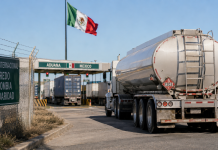
The Cuban government says United States policies have made the situation worse by limiting the country’s access to oil, financing, and equipment. Officials say Cuba lost a major fuel supplier after President Donald Trump imposed an oil blockade following the January 3 ouster of Venezuelan President Nicolas Maduro. Venezuela had supplied much of Cuba’s oil in recent years, while fuel shipments from Mexico have also stopped amid increased pressure from Washington.
Other observers blame years of weak investment and poor management in Cuba’s electricity sector. As fuel shortages continue, Havana has begun making limited changes to its energy industry. The government recently approved a fuel import project supported by foreign investment and expanded the number of Cuban businesses permitted to distribute fuel at the wholesale level, steps aimed at easing pressure on the country’s strained energy system.
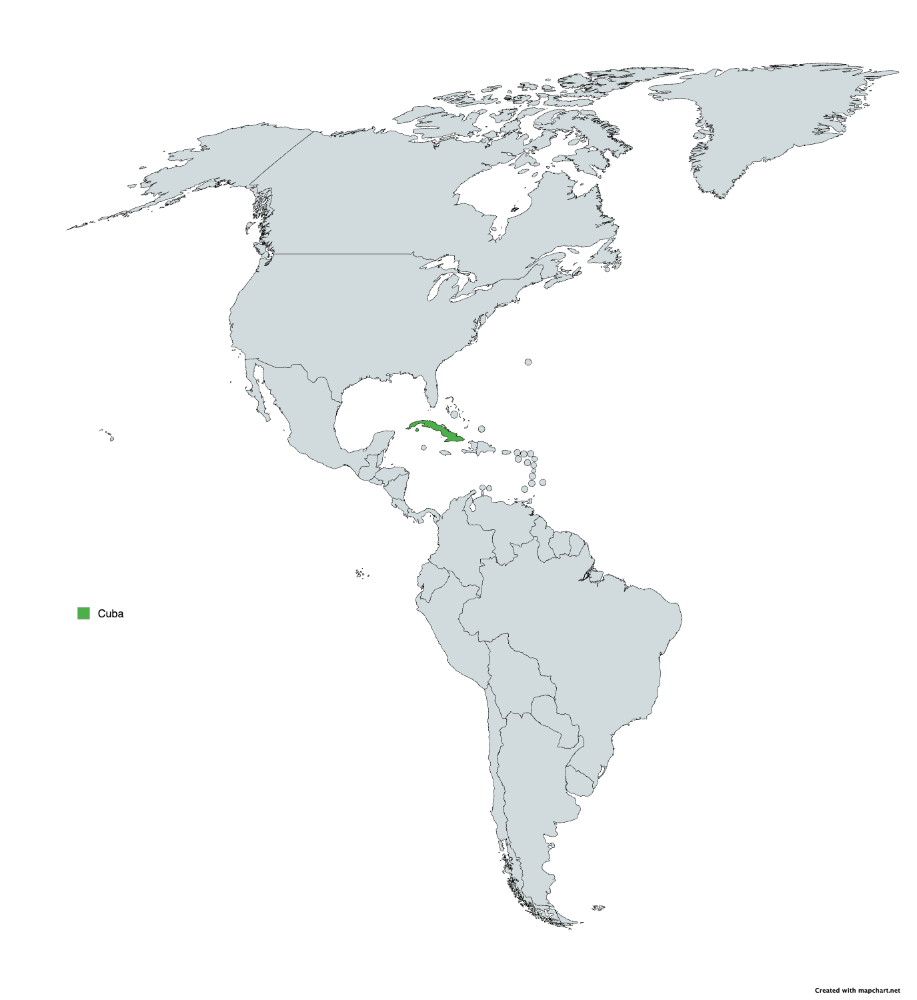
Cuba = Green
Image is licensed under the Creative Commons Attribution-Share Alike 4.0 International license and was created using MapChart (https://mapchart.net).