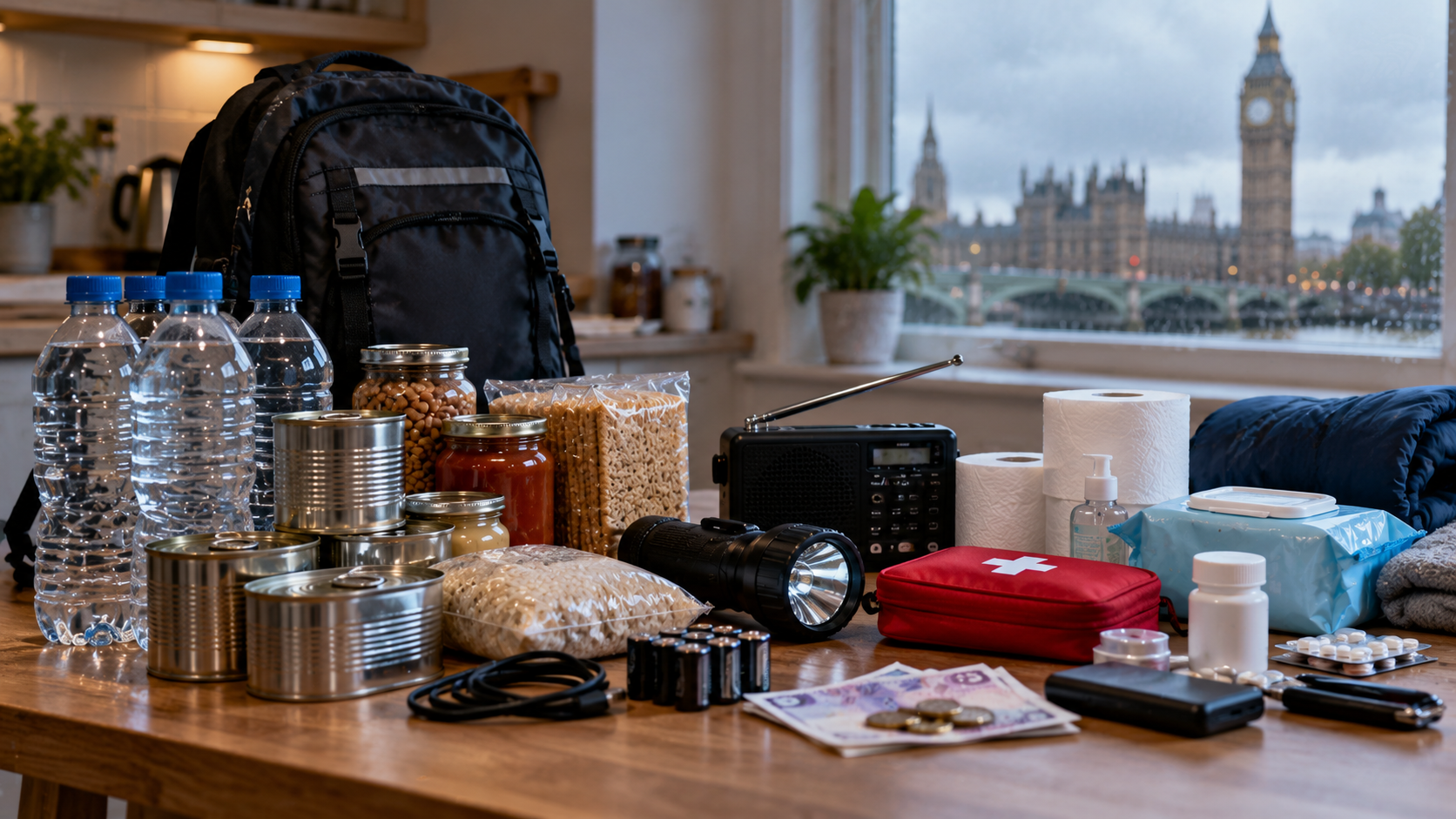
People across Britain are being encouraged to keep emergency supplies at home as the government introduces a campaign focused on preparing for unexpected disruptions. The recommendation is to have enough basic necessities to get through three days, whether the problem involves severe weather, an internet outage or another emergency.
The campaign, called “Be Ready,” was introduced Thursday. It follows a difficult summer of heat, drought and wildfires, along with a computer security problem that affected online services around the world this week.
Government officials want families to think about what they would need if normal services suddenly became unavailable. That means keeping drinking water, food that does not require refrigeration and a few other household essentials somewhere accessible.
The recommended supplies go beyond food and water. Flashlights, wet wipes and some cash are included, along with additional prescription medication for people who need it. The guidance focuses on getting through the first 72 hours of a disruption.
Prime Minister Andy Burnham spoke about emergency preparations Friday during discussions about Britain’s wildfire response. He said unexpected problems seem to be occurring more frequently and that the country needs to prepare earlier instead of reacting after emergencies begin.
The government also announced changes to its wildfire response plans, including the possible use of military aircraft. This follows a summer when unusually hot and dry conditions contributed to concerns about fires.
Cybersecurity is another reason officials are encouraging preparation. On Wednesday, weaknesses were disclosed in PHP, a programming language used by systems internationally. Businesses and government organizations moved to protect their networks as some services became unavailable and millions of hacking attempts were reported.
Defence Secretary Wes Streeting discussed the growing range of threats during an appearance on the BBC’s “Question Time.” He said artificial intelligence could help attackers discover ways around existing computer security measures. He also identified criminal groups, hostile countries and climate-related emergencies as concerns.
Streeting explained that the household guidance was not connected to intelligence suggesting a particular emergency was about to happen. Instead, the government wants people to be better prepared for different kinds of disruption.
Professor Lucy Easthope, who specializes in disaster planning, has been pushing for this kind of public information campaign for roughly 16 years. She believes households with their own supplies could make emergency operations easier. Someone with spare medication, for instance, would not immediately need responders to arrange access to a pharmacist.
Residents have responded differently to the advice. Cornwall resident Bridgette Clamp told BBC Radio 5 Live that she has stored canned goods and ingredients for making bread. She also invested in equipment such as generators and water pumps after Storm Goretti.
Other residents are less convinced. A man from Torquay questioned the practicality of keeping several days of water at home and whether emergency preparation should fall so heavily on households.
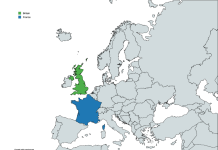
Similar recommendations already exist elsewhere in Europe. France advises three days of food, Germany recommends supplies for ten days, and the European Commission has encouraged households to assemble kits containing food, water, money and portable chargers.
This image is the property of The New Dispatch LLC and is not licenseable for external use without explicit written permission.