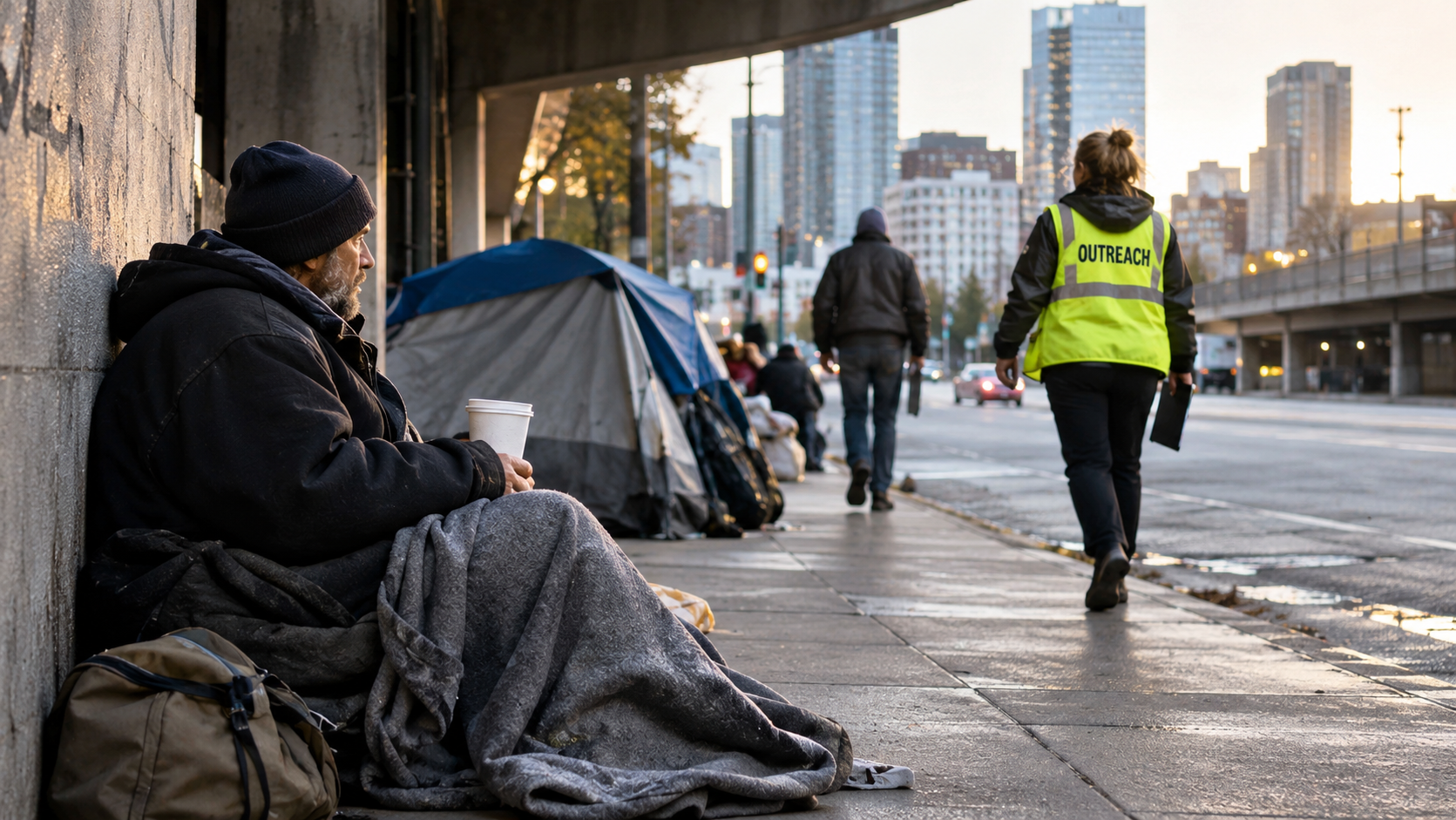
Federal housing officials reported a decline in the number of people without homes across the United States, with the latest national figures showing 698,425 individuals experiencing homelessness in January 2026. The total is 6.3% lower than the previous count, according to the Department of Housing and Urban Development.
The new figures represent a reduction of approximately 49,000 people. The decline comes after a period when homelessness had been increasing across the country, although the current total remains high compared with levels recorded before the pandemic.
President Donald Trump’s administration says its policies have contributed to the improvement. Housing Secretary Scott Turner pointed to tighter immigration enforcement, restrictions on public camping and a greater federal focus on addiction treatment as reasons for the change.
The White House is also preparing a different approach to homelessness assistance. Rather than concentrating primarily on placing individuals in permanent homes, federal officials want more resources directed toward programs that combine temporary accommodations with treatment for substance abuse and mental health conditions.
This approach, known as Treatment First, differs from Housing First, which generally allows people to obtain housing without first meeting requirements involving sobriety or medical treatment. The administration believes addressing addiction should play a larger role in helping people regain stability.
Plans to redirect several billion dollars in federal assistance have encountered legal obstacles. Courts have prevented the proposed funding changes from taking effect so far.
The administration began laying the groundwork for these changes in July 2025, when Trump issued an executive order addressing public disorder and homelessness. Federal agencies later developed guidance describing how treatment-based programs could operate.
HUD reported receiving 3,700 new applications for homelessness assistance funding following an initiative announced in June 2026. In August, the department also introduced a treatment policy toolkit developed with federal health and drug policy officials.
There are competing explanations for the falling numbers.
The National Alliance to End Homelessness commissioned a separate review of the national count and reached a similar conclusion about the overall decrease. Its leadership believes housing assistance already supported by Congress has helped reduce homelessness.
The latest figures show that former military personnel are continuing to experience fewer cases of homelessness. Compared with 2010, the number of veterans without housing has fallen by almost three-fifths, including a reduction of more than 7% in the most recent count.
The overall improvement hasn’t reached every population. Americans dealing with prolonged periods of homelessness experienced a small increase, even as the national total moved downward. The National Alliance to End Homelessness believes expanding access to long-term housing would help address the needs of people in that situation.
Immigration has also become part of the discussion. Federal officials say reduced pressure on shelters in cities that previously received large numbers of asylum seekers helped lower the national count. New York, Chicago, Boston and Denver were among the communities affected.
Housing costs may have played a part as well. Rents in some areas have retreated from their pandemic-era highs, potentially making it easier for households to remain housed.
The annual count still shows hundreds of thousands of Americans without permanent housing. It also captures only one night in January, leaving out people who experience homelessness at other times of the year.
This image is the property of The New Dispatch LLC and is not licenseable for external use without explicit written permission.