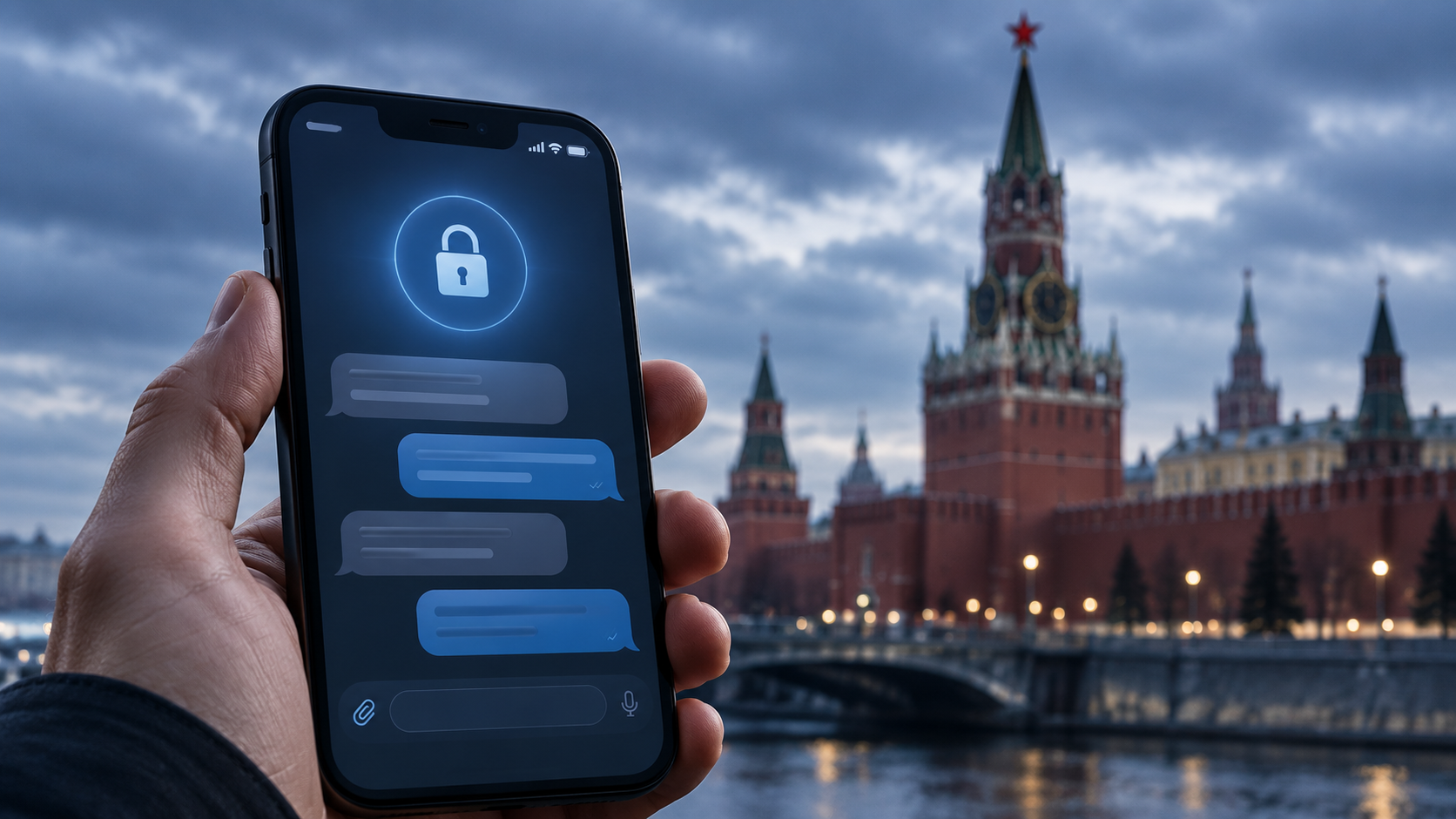
Russia has filed terrorism-related charges against Telegram founder and CEO Pavel Durov and added him to its international wanted list, according to an announcement made Wednesday by the country’s Federal Security Service (FSB). The decision comes as Russian officials continue tightening restrictions on Telegram, one of the country’s most widely used messaging platforms.
In its statement, the FSB claimed Telegram did not remove channels, group chats and automated bots that were allegedly being used by Ukrainian intelligence services, extremist groups and terrorist organizations. Russian authorities said those accounts were involved in planning attacks, cyberfraud and other criminal acts that caused deaths and damage inside the country.
The agency also said investigators linked a dating chatbot on Telegram to the recruitment of Russian citizens for sabotage operations. Officials reported that 46 people between the ages of 12 and 22 had been detained across Russia since July 2025. The accusations against those individuals include arson, assaults on police officers and other offenses.
Durov, who was born in Russia before leaving the country years ago, has previously said the criminal investigation against him was politically motivated. Earlier this year, he argued that Russian authorities were inventing reasons to limit Telegram’s availability. He also claimed the pressure on the platform was part of a broader effort to weaken online privacy and free expression. If found guilty under the new charges, he could receive a life sentence under Russian law.
Telegram did not immediately issue a response after the charges were announced. The company says it operates from Dubai, where Durov now lives. He is a citizen of both France and the United Arab Emirates.
The latest case is unfolding while Russia continues expanding government control over internet services. Authorities have introduced stricter regulations for online platforms and have blocked or restricted several well-known social media and messaging services. Facebook, Instagram and X are banned in the country, YouTube has faced limits on access, and Signal and Viber have been blocked. WhatsApp and Telegram have also been subjected to restrictions.
Russian officials are also promoting a state-supported messaging service known as MAX. The platform combines messaging with government services and payment features. According to critics and experts mentioned in the source material, MAX can provide user information to authorities upon request and does not use end-to-end encryption.
The restrictions on Telegram have drawn criticism from different groups inside Russia. Activists in several regions attempted to organize demonstrations against the measures, but most of those efforts were stopped by authorities. Military bloggers have also argued that Telegram remains an essential tool for communication among Russian troops in Ukraine and for volunteers raising money to support them. Although officials initially indicated battlefield use would not be affected, later comments from the Kremlin suggested concerns about relying on communication systems outside state control.
The Russian investigation is not the only legal challenge Durov has faced. French authorities arrested him in Paris in 2024 over allegations that criminal activity, including drug trafficking and the distribution of child sexual abuse material, was taking place through Telegram. He later returned to Dubai after spending several months in France and has denied wrongdoing. Throughout the investigations, Durov has continued to present Telegram as a platform built around user privacy and freedom of speech, while critics argue that limited moderation has allowed illegal content and extremist activity to remain on the service.
This image is the property of The New Dispatch LLC and is not licenseable for external use without explicit written permission.