Meta is introducing new safeguards for teenagers across its social media platforms as the company faces continued questions about how its apps affect younger users.
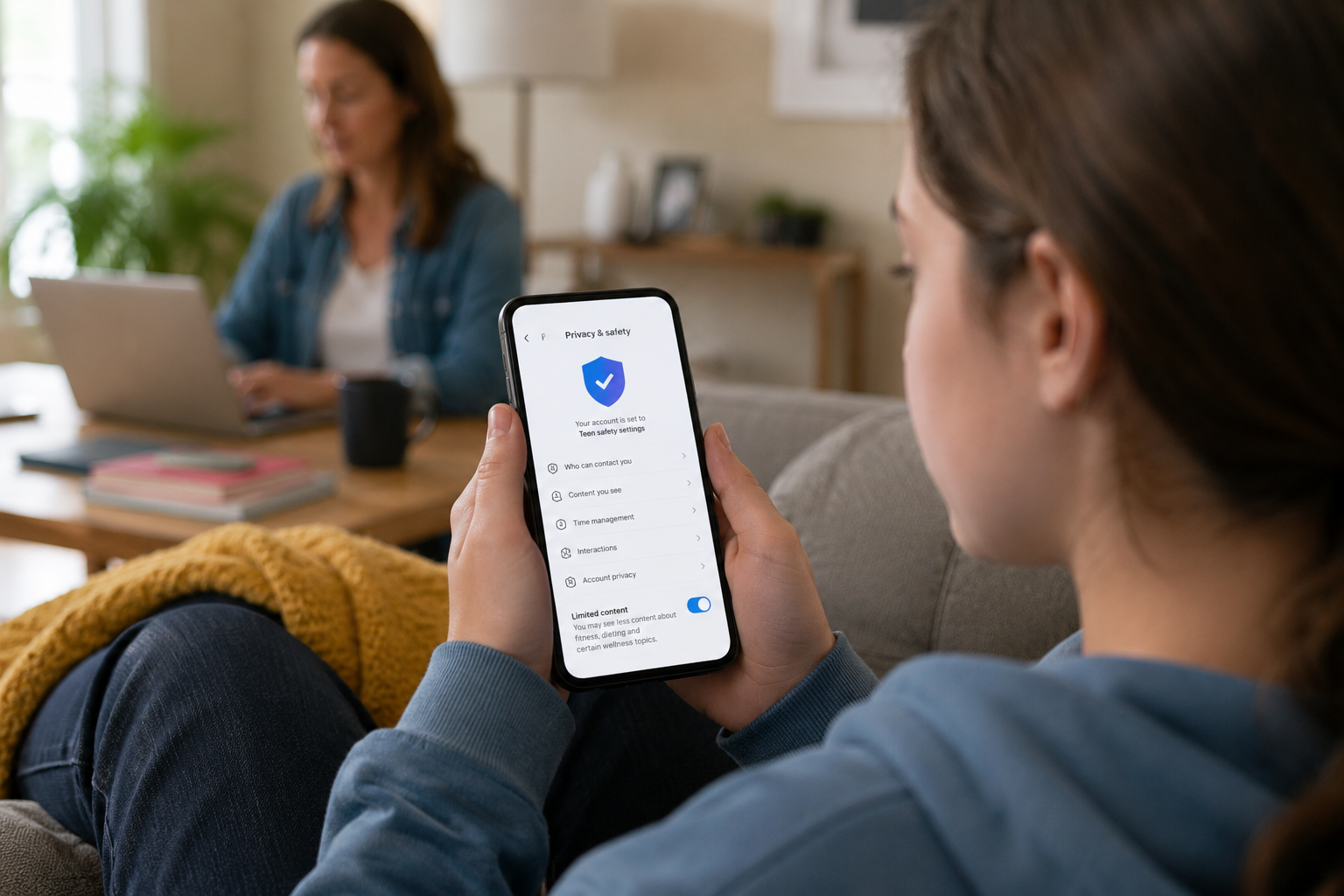
The company announced Tuesday(6/2/26) that teen safety settings will be expanded worldwide on Instagram, Facebook and Messenger. At the same time, Meta is testing a feature that reduces how often certain topics appear in recommendations shown to teens.
Under the new system, younger users may see fewer posts centered on subjects such as fitness routines, diet-related content and advice about dealing with stress or anxiety. Meta said material in those categories is not necessarily harmful, but repeated exposure to the same themes may not be ideal for teenagers.
The company calls the feature “Limited Content.” It will affect recommendations appearing in areas such as Feed, Reels and Explore.
The changes build on Meta’s Teen Accounts program, which launched in 2024. Those accounts automatically place users under 18 into stricter privacy settings. Teens must approve new followers, and only people they already follow can message them or interact with them through tags and mentions.
Meta said the expanded protections will make it harder for teens to encounter content the company considers inappropriate. Restrictions will also apply to interactions with certain Facebook Pages, Groups, Profiles and Events that regularly share that type of material. Similar limits are being added to Messenger.
The updates arrive during a period of legal pressure for the social media company.
In New Mexico, a jury recently ruled that Meta violated the state’s Unfair Practices Act in a case focused on child safety. The company was ordered to pay $375 million. A separate court proceeding began this week as a judge considers additional measures sought by the state’s attorney general to protect users under 18.
Another recent lawsuit produced a different setback for Meta. A jury in Los Angeles found both Meta and YouTube responsible for harm linked to the design of their platforms. The case involved claims that features intended to keep users engaged contributed to mental health struggles experienced by a young person.
Jurors ordered Meta to pay more than $4 million in damages. YouTube was directed to pay nearly $2 million. Both companies have said they plan to challenge the verdict.
Meta responded by saying it disagrees with the decision and believes questions surrounding teen mental health are far more complex than the influence of any single app.
The company has also been making other adjustments to its safety efforts. One of those involves using artificial intelligence to identify accounts belonging to children younger than 13 and remove them from its platforms.
Meta said it is also working with Alice, a company that evaluates online safety systems using AI tools. According to Meta, Alice reviewed the settings used for Teen Accounts and found areas where protections could be strengthened.
Some of those changes involved content tied to dangerous online trends. Meta said it updated its policies after receiving feedback about videos showing risky stunts, including activities known as “car surfing.”
The company said the latest teen safety measures are now being rolled out globally across its platforms.
This image is the property of The New Dispatch LLC and is not licenseable for external use without explicit written permission.