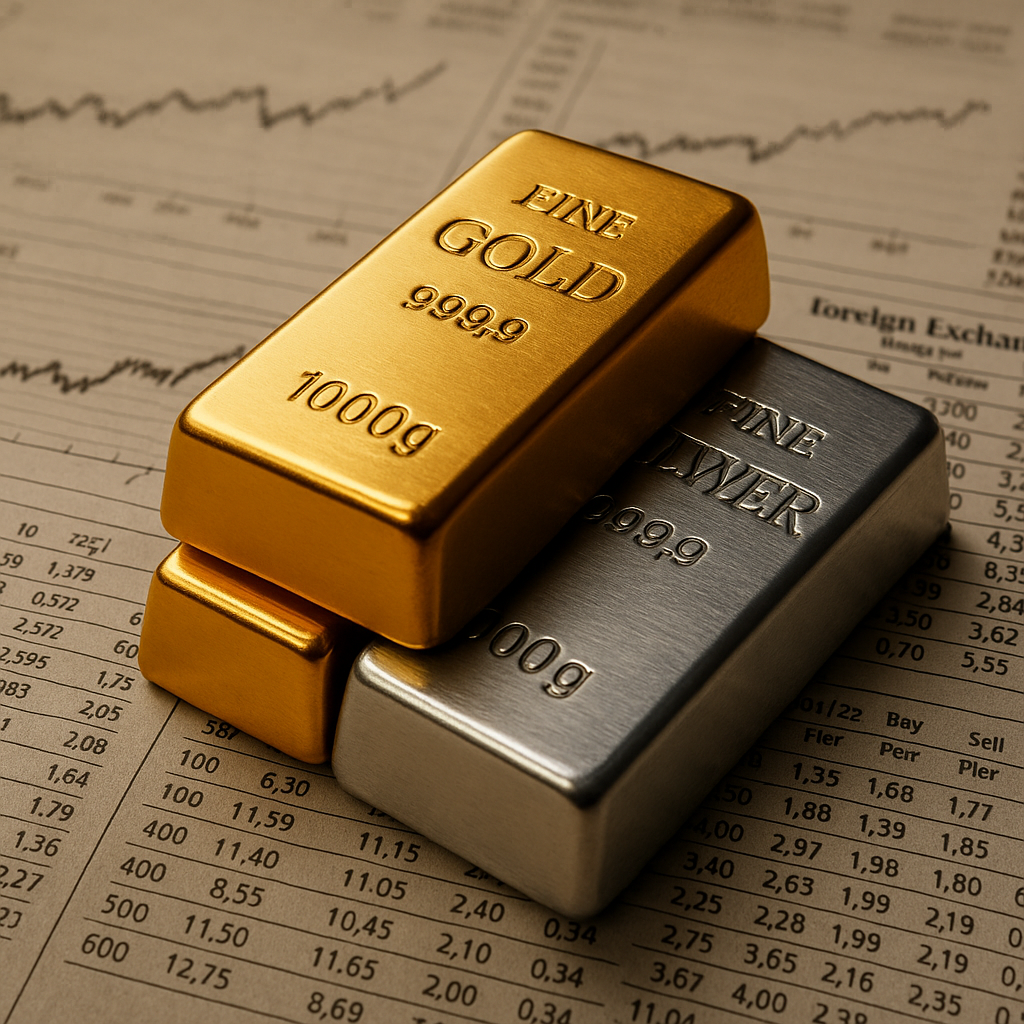
A new phase of global economic policy is fueling a powerful rally in gold and silver. As the world’s wealthiest nations keep monetary and fiscal policies loose despite high inflation and swelling debt, investors are seeking safety in tangible assets. On October 6, 2025, gold neared $4,000 per ounce while silver reached its highest level in 14 years, signaling that investor concern over currency stability is growing rapidly.
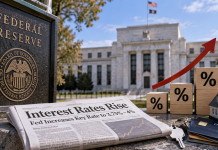
Central banks across the G7 are cutting rates or maintaining low borrowing costs even as inflation remains well above the 2 percent target. The Federal Reserve has resumed easing, the European Central Bank is holding near three-year lows, and Japan appears ready to boost spending under its new leadership. This environment of “easy money” has pushed equity markets to record highs while compressing bond yields and amplifying concerns about long-term price pressures.
The precious-metals surge reflects a deep unease about the durability of fiat currencies and the sustainability of debt-driven growth. Gold’s year-to-date gain has approached 50 percent, building on 2024’s 27 percent climb. Silver has risen more than 55 percent this year, driven by both investor demand and industrial use in solar technology and electric vehicles. Negative real interest rates have reduced the appeal of holding cash, while fears of currency devaluation—accelerated by years of monetary expansion and growing de-dollarization among emerging economies—have intensified the flight to hard assets.
Mining companies have emerged as clear beneficiaries. Firms such as Newmont, Barrick Gold, Agnico Eagle, and Pan American Silver are reporting stronger profits, healthier balance sheets, and renewed exploration plans. Precious-metals streaming companies are also thriving, as higher prices lift margins and attract new investment. At the same time, industries dependent on gold and silver face rising input costs. Jewelry makers, electronics manufacturers, and automakers are confronting tighter margins and are exploring design adjustments or hedging strategies to manage expenses.
Beyond corporate performance, the surge in precious metals highlights the tension between economic stimulus and inflation control. Governments in Japan, Germany, and the United States are increasing spending even as consumer prices remain elevated. With the U.S. economy expanding near 4 percent and Europe preparing large fiscal packages, markets are questioning whether policymakers can restrain inflation without stalling growth.
The move into gold and silver also reflects persistent geopolitical strains—from conflicts in Eastern Europe and the Middle East to ongoing trade disputes—that have driven demand for safe havens. Central banks’ continued accumulation of bullion suggests a gradual move away from reliance on the U.S. dollar, reinforcing support for higher prices.
Analysts expect short-term volatility but see continued strength ahead. Gold is projected to trade between $3,800 and $4,200 per ounce over the next year, while silver could rise toward $50 as industrial demand expands. Longer term, persistent inflation and steady central-bank buying could keep both metals on an upward trajectory.
In this environment, investors are re-evaluating portfolios to include more exposure to physical bullion, ETFs, and mining stocks. The rapid rise of precious metals serves as a reminder that confidence in paper assets can fade quickly when policymakers choose growth over restraint. Gold and silver once again stand as gauges of trust in the global financial system—and that trust appears to be wearing thin.
This image is the property of The New Dispatch LLC and is not licenseable for external use without explicit written permission.