Wheat prices are rising as attacks between Russia and Ukraine disrupt grain shipments through the Black Sea, adding pressure to a global food supply already dealing with poor weather and higher farming costs.
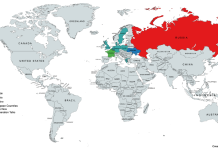
Russia and Ukraine are major suppliers of wheat to the world. Together, they accounted for about 27% of global wheat exports during the 2025-26 marketing year, according to USDA data reported by S&P Global. That makes problems in the Black Sea especially important for countries that depend on imported wheat.
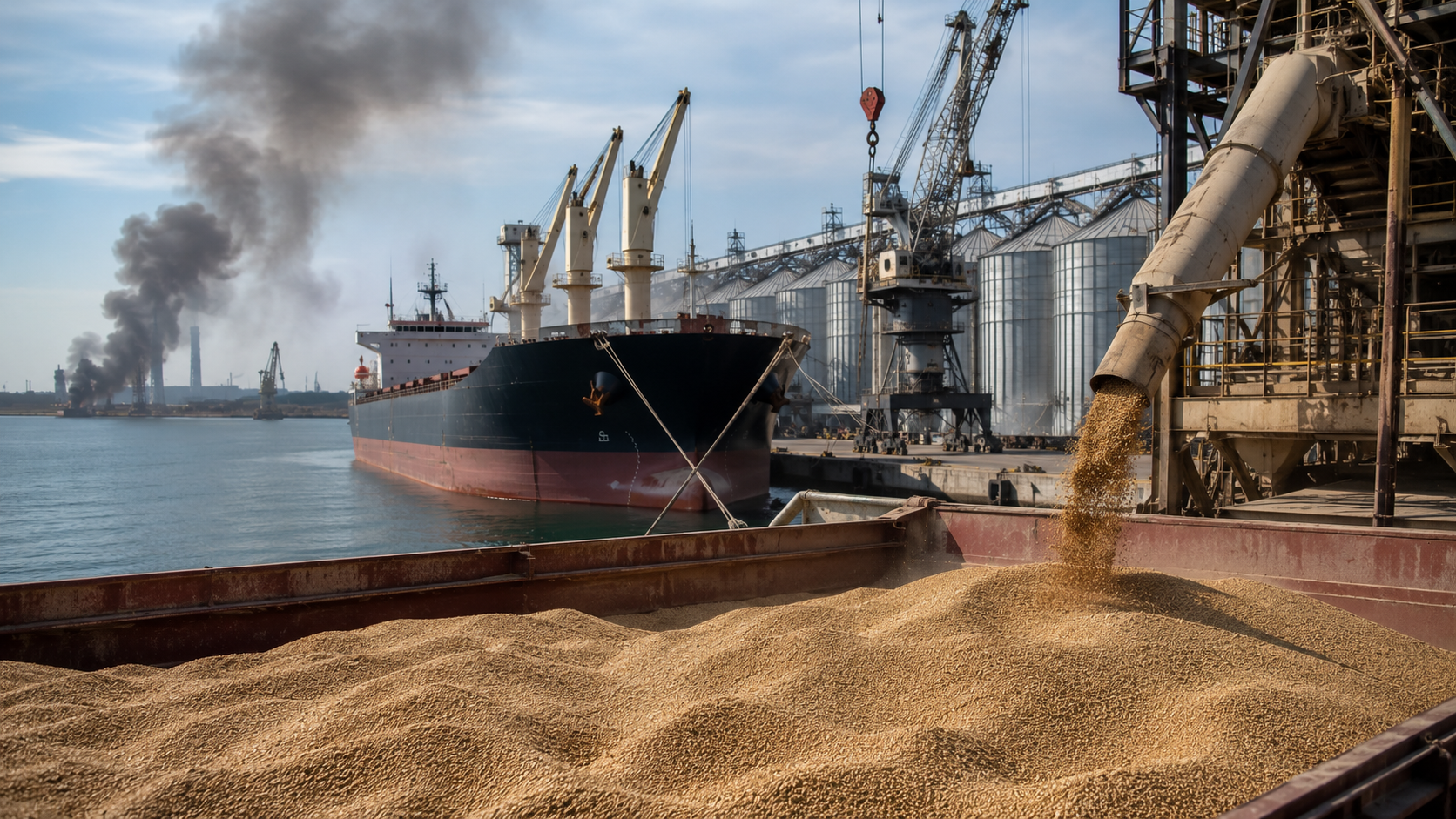
In recent weeks, Russia and Ukraine have increased attacks on each other’s ports, grain terminals and commercial vessels. Some ports have been forced to close or slow operations, while grain shipments have been delayed or canceled. Shipping companies also face greater risks moving through the area.
Those disruptions are already showing up in wheat markets. Benchmark Chicago wheat futures have climbed more than 17% since the beginning of July, with the shortage of Black Sea supplies playing a major role in the increase. Wheat prices from other exporters, including the United States, Australia and Argentina, have also risen as buyers search for other sources.
Replacing Black Sea wheat can be more expensive. Australian Premium White wheat has recently been priced as high as $320 per metric ton, compared with roughly $260 to $280 per ton for Black Sea supplies. That leaves importers facing higher costs at the same time that shipments from Russia and Ukraine are less reliable.
The situation is especially difficult because other wheat-producing regions are facing problems of their own. Heat and drought have damaged crops in parts of Europe and other growing regions. Global wheat production among major exporters is expected to decline, leaving fewer supplies available for export.
Farmers are also dealing with the cost of producing those crops. Fertilizer supplies have been under pressure, while farmers face expenses for diesel, labor and other inputs. When production becomes more expensive, farmers have fewer options to cut costs without risking lower crop yields.
Getting Ukrainian grain out through other routes is not an easy fix either. The country has relied on rail and the Danube River when Black Sea shipping becomes difficult, but those routes cannot always replace the amount of grain normally carried by large ships. Continued export delays are also creating pressure on Ukraine’s grain storage capacity ahead of upcoming harvests.
The effects are being felt far beyond Russia and Ukraine. Major wheat-importing countries are watching the Black Sea closely as they try to secure supplies. Egypt, for example, received more than 82% of its wheat from Russia and Ukraine during the first half of 2026. Importers in Asia are also facing possible delays involving millions of tons of wheat scheduled for delivery.
For now, attacks around the Black Sea are continuing. Russia said Monday that it was taking steps to reduce the effects of Ukrainian strikes on its grain exports, while Ukraine has pushed for an agreement to stop attacks on civilian ships carrying agricultural products. The two sides have not reached such an agreement.
This image is the property of The New Dispatch LLC and is not licenseable for external use without explicit written permission.
This image is the property of The New Dispatch LLC and is not licenseable for external use without explicit written permission.