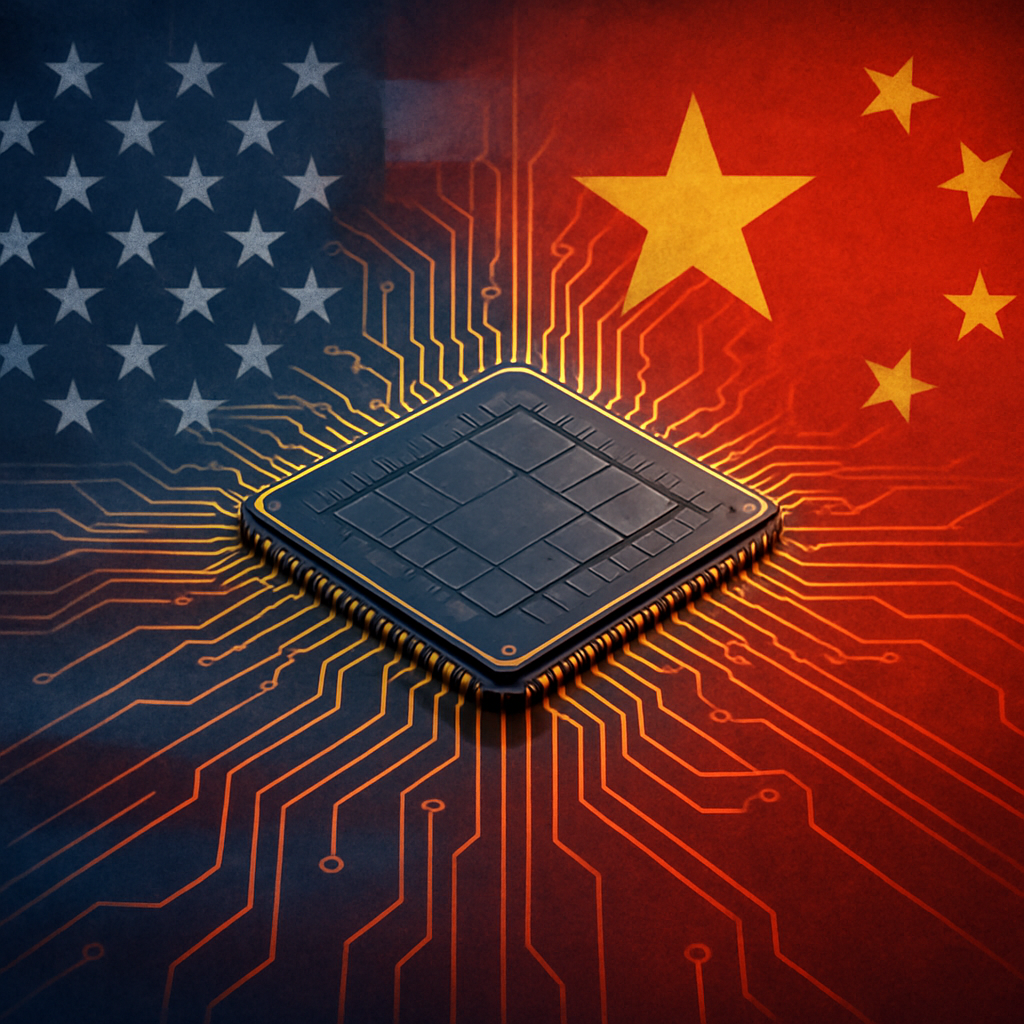
President Donald Trump has called for Intel Chief Executive Officer Lip-Bu Tan to resign, claiming the executive has conflicts of interest due to his reported financial links to Chinese companies, including firms tied to the Chinese military. Trump made the demand in a post on his Truth Social platform, saying there was “no other solution” to the issue.
Tan, appointed in March to lead Intel’s turnaround, has faced growing political scrutiny since Reuters reported in April that he had invested more than $200 million in hundreds of Chinese technology firms between 2012 and 2024. Some of those companies were allegedly connected to the People’s Liberation Army. The investments were made either personally or through funds he managed.
In a letter to employees, Tan described the allegations as “misinformation” and emphasized his adherence to legal and ethical standards over his four-decade career in the semiconductor industry. He said he shared the president’s commitment to advancing U.S. national and economic security and stressed that Intel’s board remained “fully supportive” of his leadership.
The political pressure intensified earlier in the week when Republican Senator Tom Cotton sent a letter to Intel’s board chairman, raising concerns about Tan’s ability to safeguard taxpayer-funded projects. Cotton referenced Tan’s past role as CEO of Cadence Design Systems, which recently agreed to pay $140 million to settle U.S. charges that a Chinese subsidiary had sold products to a military university in China in violation of export controls. Tan was not personally charged.
Intel has been a key beneficiary of U.S. efforts to bolster domestic semiconductor production, securing an $8 billion grant under the 2022 CHIPS Act to expand manufacturing facilities, including projects in Ohio. The company is also under pressure to close the gap with global competitors such as Taiwan Semiconductor Manufacturing Company (TSMC), Samsung, Nvidia, and AMD. Intel’s market share has slipped in both data centers and personal computers, and it has been slow to establish a foothold in the rapidly growing AI chip market.
The company’s shares fell more than 3% on Thursday following Trump’s remarks, wiping out its gains for the year. Analysts noted that the public nature of the president’s demand is unusual, even for Trump, who has a history of pressuring business leaders. Some industry observers suggested the confrontation may also relate to broader disputes over Intel’s investment strategies or potential partnerships with foreign companies.
Tan has already implemented sweeping cost-cutting measures, including thousands of layoffs and scaled-back manufacturing plans, in an effort to streamline operations. He has indicated that Intel will adjust its factory expansion pace to align with customer demand, a move that could delay some projects until the next decade.
The White House defended Trump’s stance, saying he is committed to ensuring that major U.S. technology firms are led by individuals who can be trusted to protect national security. While some investors expressed concern about the precedent of a president urging a corporate executive’s removal, others saw it as consistent with Trump’s drive to bring more technology production to the U.S.
Intel has stated that it remains engaged with the administration and is committed to advancing both national security and economic goals while continuing its transformation efforts.
This image is the property of The New Dispatch LLC and is not licenseable for external use without explicit written permission.