
The U.S. government is preparing to roll out a new version of the civics test required for naturalization, reintroducing a lengthier and more demanding exam that had been briefly implemented in 2020. The change marks the latest effort by the Trump administration to reshape the legal immigration system.
Currently, applicants for citizenship study a pool of 100 questions and must answer six out of 10 correctly in an oral exam. Beginning in mid-October, those filing new applications will face 128 possible questions and will need to answer at least 12 of 20 accurately. The expanded test covers additional topics, including the Federalist Papers, the 10th Amendment, and figures such as Alexander Hamilton, James Madison, and Dwight Eisenhower.
Officials say the move will strengthen the process by ensuring new citizens possess a deeper understanding of U.S. history, government, and civic principles. Matthew Tragesser, a spokesperson for U.S. Citizenship and Immigration Services (USCIS), described the measure as the first step in a broader revision of the naturalization process. He argued that American citizenship should be granted only to those who are prepared to fully commit to the country’s values and responsibilities.
The test is just one of several recent changes. USCIS has revived “neighborhood checks,” in which investigators interview neighbors and colleagues of applicants. The agency has also instructed officers to give greater weight to assessments of “moral character” and to scrutinize applicants’ social media activity for content deemed hostile to the United States.
Critics, however, contend the new exam is designed to place additional burdens on people who are already contributing to American society. Immigration advocacy groups say many long-time residents who work, pay taxes, and raise families in the U.S. could find the updated requirements more difficult, particularly older immigrants and those with limited English proficiency.
Jennifer Ibañez Whitlock, a senior policy counsel at the National Immigration Law Center, warned that the expansion of the test would create avoidable obstacles. She argued that by making the path to citizenship harder, the government risks delaying permanent protections for immigrants who have built their lives in the U.S.
The policy shift also comes against the backdrop of a broader crackdown on immigration. The administration has pledged to carry out large-scale deportations and has expanded enforcement priorities to include individuals with little or no criminal history. These measures, coupled with the stricter naturalization rules, have raised concerns among immigrant communities and civil liberties advocates about fairness and due process.
Supporters of the changes counter that the reforms will help preserve cultural cohesion and ensure that future citizens demonstrate loyalty to the country. They point to the importance of civic knowledge as a unifying factor in a diverse society.
While the debate continues, practical effects remain uncertain. The civics test is administered orally, and applicants who fail are allowed one retake. Special accommodations exist for older immigrants who have lived in the U.S. for decades, allowing them to study from a shorter list of questions and take the test in their preferred language.
The Biden administration had previously rolled back the 2020 version of the exam, arguing that it was unnecessarily complicated and had not been thoroughly vetted. That earlier decision reflected input from educators and historians who favored a shorter test. The Trump administration now maintains that the more extensive exam better measures preparedness for citizenship and will remain in place.
As the October start date approaches, applicants and immigration lawyers are working to adjust. Whether the expanded test will improve civic knowledge or merely make naturalization more difficult remains at the center of the debate — one that underscores broader divides over immigration policy in the United States.
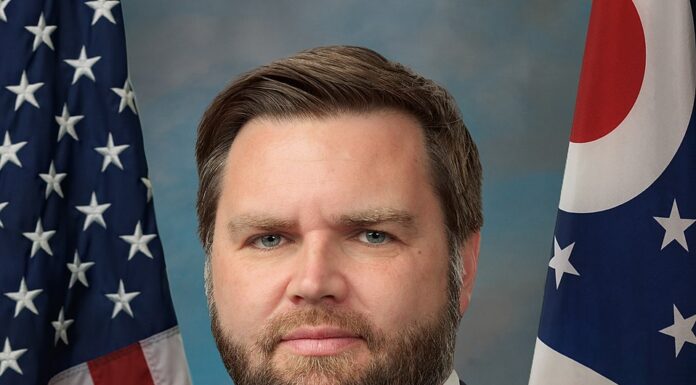
Image is in the public domain and was created by the U.S. Department of Homeland Security (DHS).













.jpg)