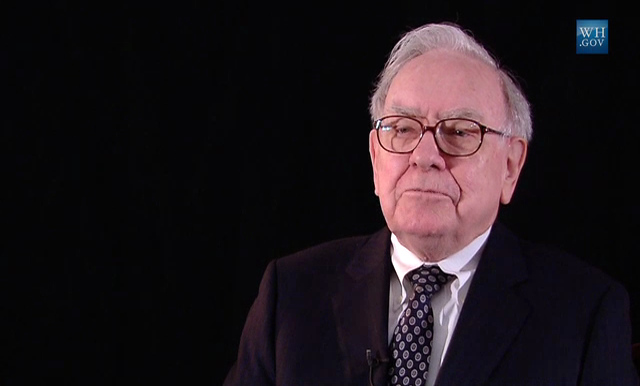
On May 3, 2025, Warren Buffett, the 94-year-old billionaire investor known as the “Oracle of Omaha,” surprised nearly 40,000 shareholders at Berkshire Hathaway’s annual meeting in Omaha, Nebraska, by announcing his plan to retire as CEO and chairman at the end of the year. After more than six decades transforming Berkshire from a struggling textile company into a $1.16 trillion conglomerate, Buffett endorsed Vice Chairman Greg Abel, 62, as his successor—marking a profound transition for what has long been dubbed the “Woodstock for Capitalists.” The announcement drew a standing ovation lasting nearly a minute, though Buffett quipped that the reaction “could be interpreted in two ways.”
Buffett praised Abel’s leadership over Berkshire’s non-insurance businesses—including BNSF Railway and Geico—stating that the company would be in good hands. “Our prospects are better under Greg’s management than mine,” Buffett said. The timing caught many by surprise, including Abel himself, who later said he was “humbled and honored” by the vote of confidence.
Buffett emphasized he has “no intention—zero—of selling one share” of his estimated $169 billion stake and plans to remain involved in an advisory role. He also used the stage to caution against the use of tariffs as economic leverage, warning that “trade should not be a weapon” and adding that global prosperity is in the United States’ best interest.
The meeting came amid a shifting economic landscape. Berkshire’s cash reserves reached a record $347.7 billion, reflecting Buffett’s cautious stance in the face of ongoing trade tensions. The company also reported a 14% drop in Q1 2025 operating earnings. While investors expressed confidence in Abel’s 25-year operational background, some expressed uncertainty about how he will navigate capital allocation, a hallmark of Buffett’s investing style.
Buffett’s legacy, shaped by the value investing principles he learned from Benjamin Graham at Columbia University, is etched into Berkshire’s staggering long-term performance. From 1965 through 2024, the company’s stock appreciated by over 5.5 million percent, compared to roughly 39,000% for the S&P 500, according to Business Insider.
Buffett’s frugal lifestyle—still living in his $31,500 Omaha home purchased in 1958 and regularly sipping Coca-Cola—has become part of his legend. Longtime shareholders, such as Devan Bisher of Maine, credit him with changing the trajectory of their financial lives. “Berkshire has been a good train to ride,” Bisher told a local news outlet.
While the announcement closes a chapter in American business history, it also opens a new one for Berkshire Hathaway. Abel brings decades of operational experience but faces high expectations as he takes the helm from one of the most influential investors of all time. As Buffett steps back, his final messages on trade, discipline, and long-term thinking continue to echo through the halls of one of the world’s largest companies.
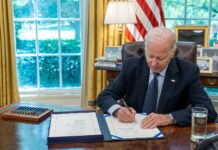
Image is in the public domain and was created by the USA White House.