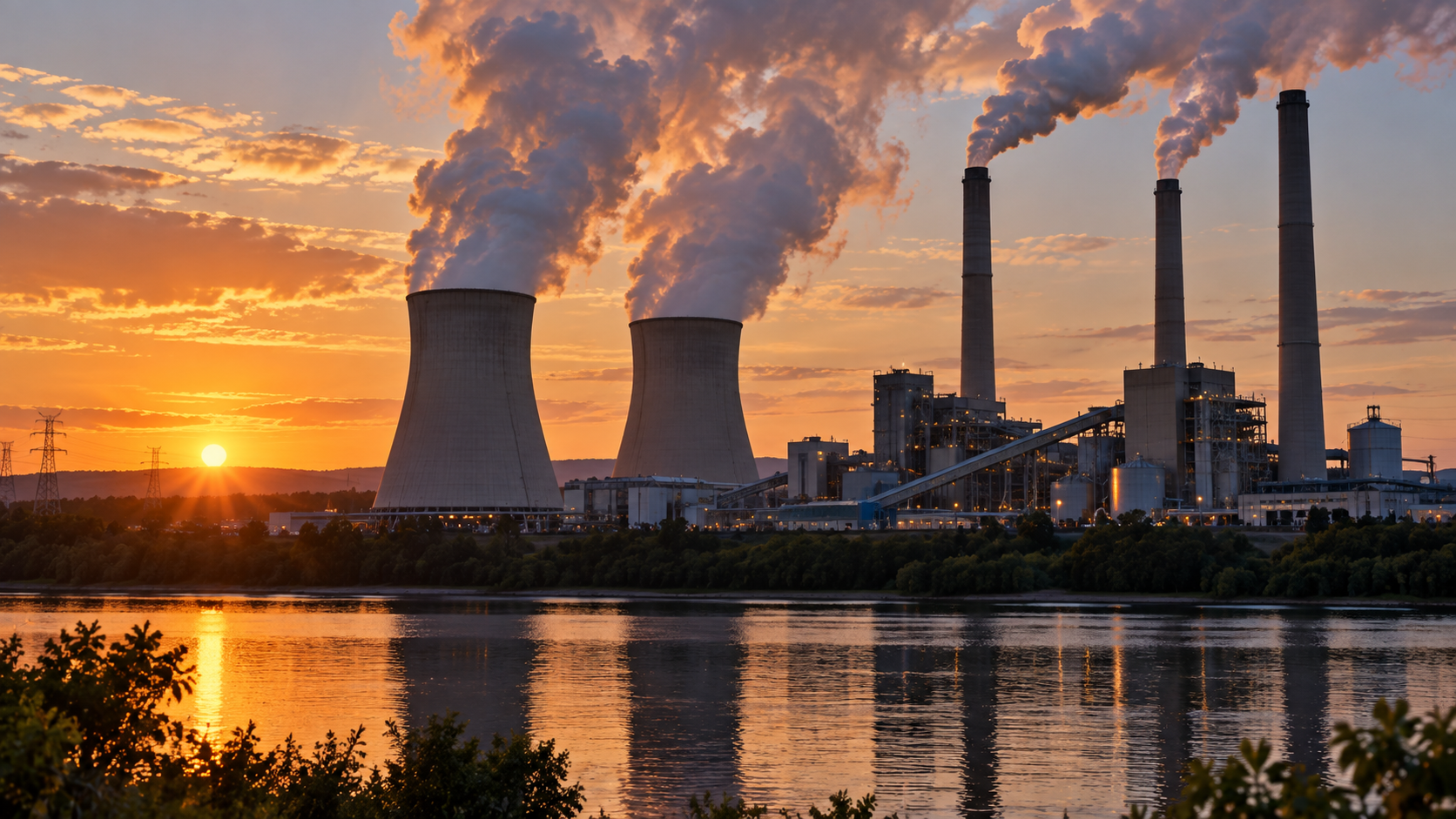
The federal government’s approach to carbon emissions from electricity production changed Monday, with the Environmental Protection Agency removing much of a rule adopted in 2024 and beginning the process of getting rid of what remains.
EPA Administrator Lee Zeldin announced the decision Sept. 14 in Houston during a gathering of G20 energy officials. The action affects federal requirements covering electricity produced from fossil fuels. Some of the changes take effect through a final rule, while another portion announced Monday still has to go through the federal rulemaking process.
At the center of the dispute is a set of standards created during the Biden administration. They were designed to reduce the amount of carbon dioxide released by the nation’s electricity sector. The rules set different requirements depending on the type of generating unit and its circumstances, with carbon capture playing a role in some of the standards.
The EPA under President Donald Trump has reached a different conclusion about those requirements. Agency officials say portions of the 2024 standards relied on methods that were not sufficiently demonstrated for the purposes of the Clean Air Act. The administration also maintains that the earlier approach stretched the EPA’s legal authority.
Money is another part of the administration’s case. EPA estimates put the savings associated with Monday’s completed repeal at $310 billion. The agency also expects the amount of coal used to generate electricity to increase sharply after the change. Those figures are EPA projections of what the new policy will do, rather than measured results from the policy, which was just announced.
Administration officials say keeping more coal and natural gas generation available will help meet electricity needs, particularly when demand is high. They have also connected the policy to their larger push for increased domestic energy production and lower costs.
Environmental organizations oppose the rollback. Their concern is that loosening carbon requirements will mean more emissions from electricity generation and add to climate and public health problems. Several groups have said the administration’s actions will be challenged in court.
There is another piece to Monday’s announcement, and it could go further than the rule that was just completed.
The EPA is proposing to wipe away the federal greenhouse gas standards that would otherwise remain for fossil-fuel electricity generation. To do that, the agency is advancing a new interpretation of Section 111 of the Clean Air Act. Its position is that the law does not authorize EPA to use that section to control power-sector emissions as a response to global climate change. The proposal would also withdraw earlier agency findings connected with regulating greenhouse gases from these facilities.
That proposal is separate from the partial repeal that Zeldin has already signed. So not everything announced in Houston is final.
The public will have an opportunity to weigh in before the second action can move ahead. EPA says comments will be accepted for 45 days after publication, and the agency plans a public hearing 15 days after the proposal appears in the Federal Register.
The power plant action follows another change made by the EPA earlier this year. In February, the agency rescinded the 2009 greenhouse gas Endangerment Finding and removed federal greenhouse gas standards covering motor vehicles and engines.
This image is the property of The New Dispatch LLC and is not licenseable for external use without explicit written permission.