Former Cuban President Raúl Castro has been indicted in the United States over the 1996 attack on two aircraft linked to the exile group Brothers to the Rescue. The charges were announced in Miami nearly 30 years after the incident that killed four men.
U.S. prosecutors say Castro played a role in approving military action against the group after several flights over Cuba earlier that year. At the time, he oversaw Cuba’s armed forces while Fidel Castro served as president.
According to court documents, Cuban military units carried out training exercises involving MiG fighter aircraft before the operation took place. On Feb. 24, 1996, three planes connected to Brothers to the Rescue left South Florida. Two of the aircraft were later destroyed near Cuba, while a third managed to avoid being hit and returned safely.
The federal indictment includes counts related to murder, conspiracy, and destruction of aircraft. Five other people, including former Cuban pilots, were also charged. Prosecutors claim senior officials in Cuba approved the mission before it happened.
American authorities argue the aircraft were outside Cuban territory when they were attacked. Cuban officials have long disputed that version of events and said the planes repeatedly crossed into Cuban airspace despite warnings.
Acting U.S. Attorney General Todd Blanche announced the case during a press conference in Miami. He said the Justice Department plans to continue pursuing prosecution even though Castro remains in Cuba. No details were provided about how U.S. officials would attempt to bring him into custody.
The shootdown caused a major political dispute between Cuba and the United States during the 1990s. Brothers to the Rescue originally focused on locating Cuban migrants stranded at sea, though the organization later became involved in demonstrations against the Cuban government.
International investigators later examined the incident. A United Nations aviation agency reported that the planes were not inside Cuban airspace when they were hit. Cuban authorities rejected those findings and defended the operation as an act of national defense.
Current Cuban President Miguel Díaz-Canel criticized the indictment and accused the United States of using the case for political reasons. Cuban officials also defended the country’s actions in public statements released after the charges were announced.
Some relatives of the victims supported the indictment. Marlene Alejandre-Triana, whose father died in the attack, said the case had taken decades to reach this point.
The charges arrive during another difficult stretch for Cuba’s economy, with shortages of fuel and electricity affecting daily life across the island. The Trump administration has increased pressure on Havana in recent months while still continuing limited discussions with Cuban officials behind the scenes.
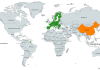
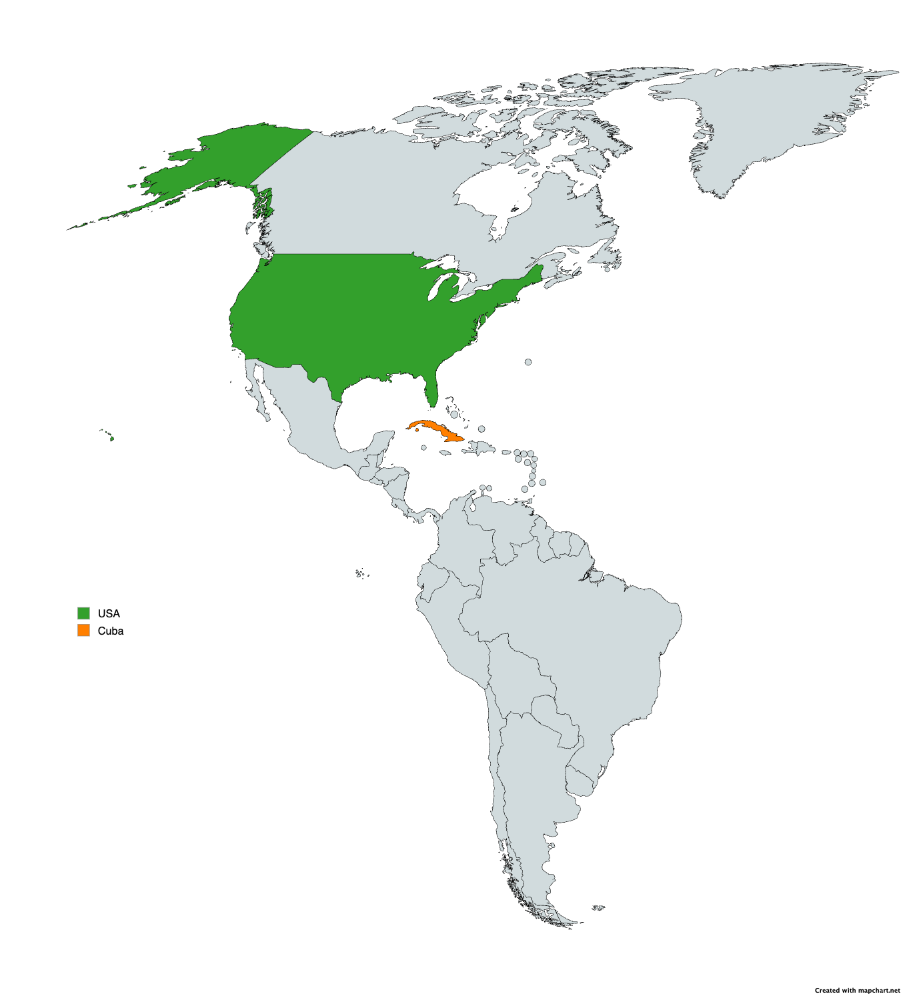
USA = Green
Cuba = Orange
Image is licensed under the Creative Commons Attribution-Share Alike 4.0 International license and was created using MapChart (https://mapchart.net).