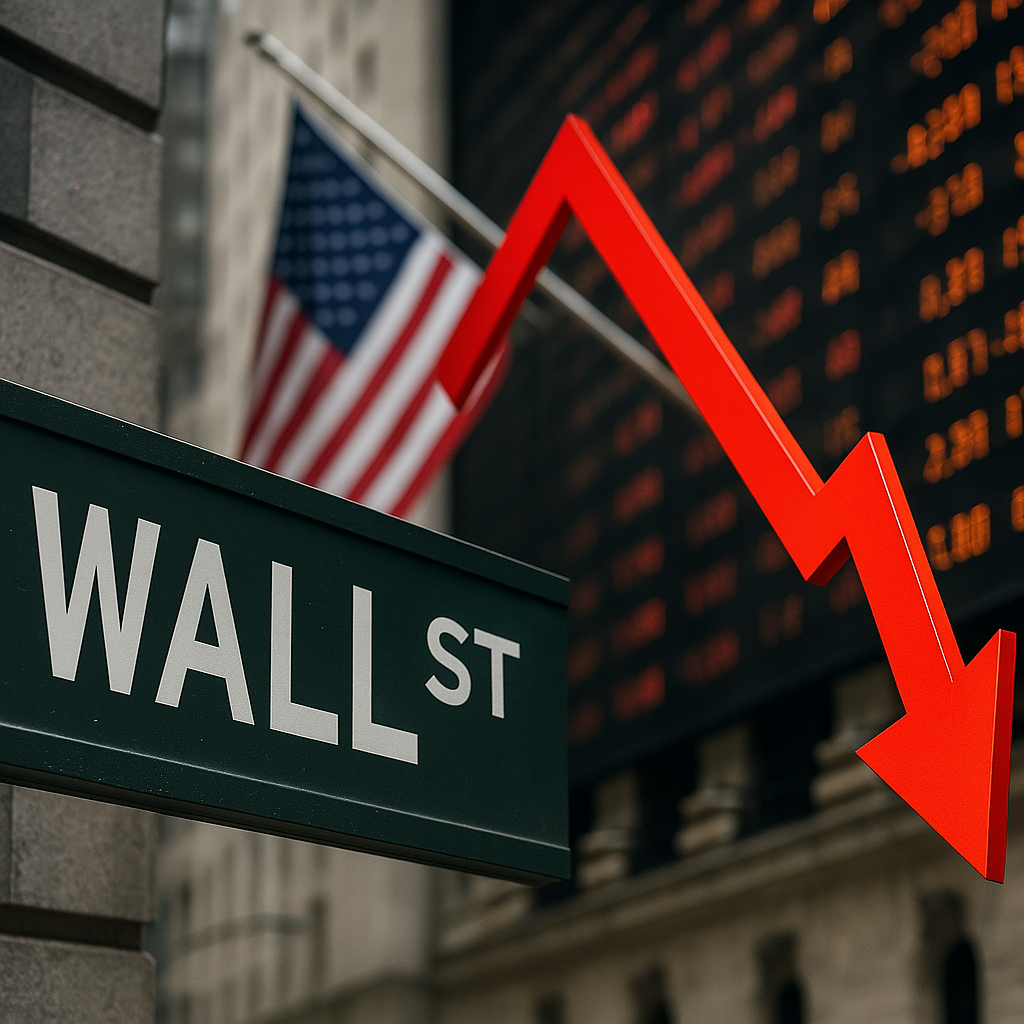
On Friday, the S&P 500 capped a harrowing two-day plunge, shedding over $5 trillion in market value—its steepest drop since the COVID-19 crash of March 2020. The index, which tracks 500 of America’s largest companies, closed at 5,074.08, down 5.97% from the previous day’s 5,396.52, following a 4.8% tumble on April 3. The sell-off, driven by President Donald Trump’s sweeping tariff announcement, erased gains from earlier in the year and pushed Wall Street into its worst stretch since the pandemic, intensifying concerns about a potential recession.
The downturn was triggered on April 2 when Trump unveiled a 10% tariff on nearly all U.S. imports, with higher rates—up to 54%—targeting countries such as China. By April 4, Beijing responded with a 34% levy on U.S. goods, escalating a trade standoff that rattled markets worldwide. The SPY ETF, which tracks the S&P 500, fell from over 530 on April 2 to 505.28 by April 4’s close—a drop of more than 10%. Analysts estimated the two-day wipeout erased more than $5.4 trillion in market capitalization, surpassing the annual GDP of Japan and dwarfing the combined value of Apple, Microsoft, and Amazon. Posts on X (formerly Twitter) and estimates from Bloomberg and Reuters supported the $5 trillion to $5.4 trillion range.
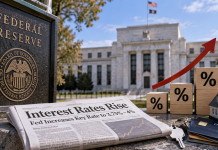
Investors fled risk assets amid fears that Trump’s tariffs could disrupt supply chains and reignite inflation. Federal Reserve Chair Jerome Powell warned on April 4 that the measures “could have a persistent impact on inflation,” dimming expectations for rate cuts this year. The Core PCE inflation rate stood at 2.8% in March, and Barclays’ Michael Gapen projected it could rise above 4% by year’s end, alongside a possible GDP contraction in Q4.
The SPY hit an intraday low of 505.06 on April 4, down from an open of 523.67, as panic selling and algorithmic trades accelerated losses. Every S&P sector closed in the red. The “Magnificent Seven” tech stocks lost a combined $1.8 trillion, with Apple down 9%, Nvidia 8%, and Tesla 10.4%. Consumer and industrial stocks also tumbled—Nike fell 14%, Caterpillar 5.8%, and Boeing over 8%.
The Dow Jones Industrial Average lost 2,231 points (5.5%) to 38,314.86, and the Nasdaq dropped 5.82% to 15,587.79, slipping more than 20% from its February high—an official bear market. Year-to-date, the S&P 500 has declined 15.4%, with total losses exceeding $11 trillion since Trump’s inauguration in January, according to Dow Jones Market Data.
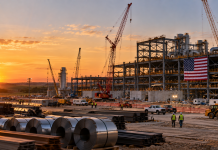
Trump defended the tariffs, posting on April 4: “MY POLICIES WILL NEVER CHANGE,” insisting they would revive U.S. manufacturing. Critics, including JPMorgan analysts, described the move as “effectively the biggest U.S. tax increase since 1968.” Meanwhile, Treasury yields fell to six-month lows (10-year at 3.933%) as investors sought safety, and oil dropped 7% to a four-year low.
For Americans, the fallout may include higher prices, slower hiring, and economic uncertainty. The market’s steep two-day loss—exceeding March 2020’s $3.3 trillion drop—raises questions about whether this is a temporary reaction or the start of deeper trouble ahead.
This image is the property of The New Dispatch LLC and is not licenseable for external use without explicit written permission.