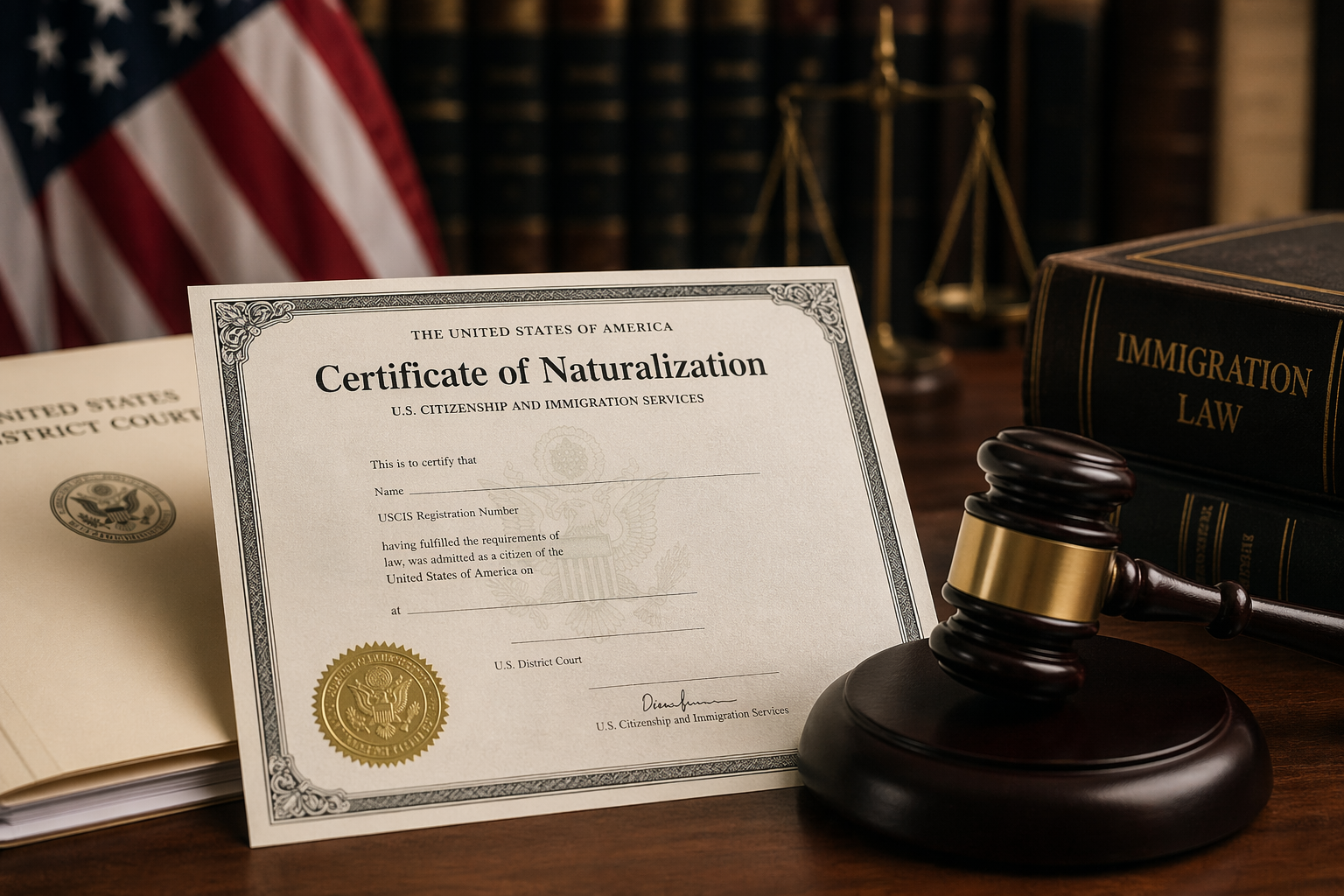
The Trump administration is preparing a wider use of denaturalization, the legal process used to take away citizenship from people who became Americans after being born in another country.
Reports say the Justice Department has picked 384 naturalized citizens for possible cases and plans to start filing actions soon. Officials also indicated that this list is only an early stage of a larger campaign, not the full scope of what may come later.
Denaturalization cases are rare in the United States. The government cannot simply cancel citizenship on its own. It has to go before a judge and show that citizenship was gained through fraud, false information, or other disqualifying conduct. In past years, cases often involved people accused of lying on applications, hiding criminal records, or using fake marriages to gain immigration benefits.
During a recent internal meeting, senior department leaders told employees that lawyers in 39 regional offices would help handle the new filings. That appears to be a change from the older system, where a smaller group of specialists usually managed these matters. The reason those 384 people were selected has not been publicly explained.
There were mixed public messages about where the push began. One senior Justice Department official reportedly described it as the first group of cases tied to a White House priority. A White House spokesperson rejected that label and said the effort is simply enforcement of existing federal law.
The administration says the campaign is aimed at fraud. Justice Department spokesperson Matthew Tragesser said officials are focused on people who cheated during the naturalization process. He also said the number of referrals made this year has already passed the total from the Biden administration’s four years in office.
Looking at past numbers shows how unusual a larger operation would be. From 1990 through 2017, the department brought 305 denaturalization cases in total, averaging around 11 each year. Another report found that from 2017 through late 2025, a little more than 120 people lost citizenship after becoming naturalized Americans.
These lawsuits can take time and staff. They require investigators, lawyers, court hearings, and document review. Some officials have reportedly raised concerns that assigning many attorneys to these cases could pull resources from other civil work, including fraud enforcement in healthcare and other areas.
When someone loses naturalized citizenship, they return to whatever immigration status they held before becoming a citizen. Because immigration matters are civil, there is no automatic right to a government-paid lawyer. For some people, that could make defending a case harder.
A memo issued last year directed the department’s civil division to seek more denaturalization actions around the country. It listed several categories for review, including people accused of ties to terrorism, gangs, or cartels. Some legal experts warned at the time that those labels can be broad and may create risks if evidence is weak or mistaken.
The United States has a long record of using denaturalization. In earlier decades, activists, labor organizers, and journalists were sometimes targeted after being branded radicals or communists. That practice narrowed after Supreme Court rulings in the late 1960s limited citizenship removal mainly to fraud or deliberate misrepresentation cases.
Recent filings by the administration reportedly include actions involving a former Marine accused of a sex offense, a man from Argentina accused of misrepresenting his nationality, and a Nigerian citizen convicted of tax fraud. Officials have said more referrals are expected.
This image is the property of The New Dispatch LLC and is not licenseable for external use without explicit written permission.