Researchers at NYU Langone Health say exposure to a widely used chemical found in plastics may have played a role in millions of babies being born too early around the world in 2018.
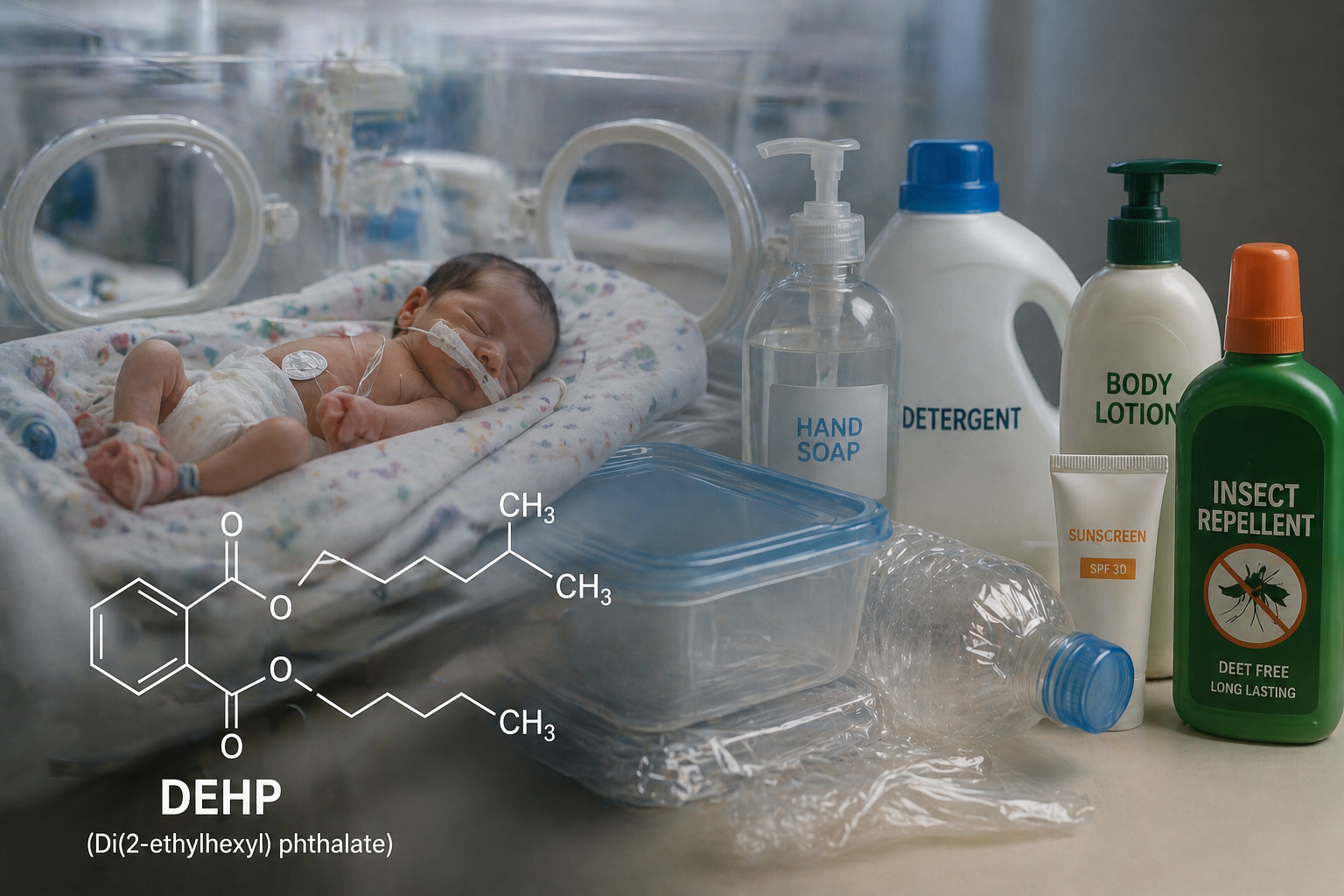
Their study focused on DEHP, a phthalate used to soften plastic materials. Phthalates are also used in products like detergents, cosmetics, and insect repellents. Scientists have said these chemicals can enter the body through food, indoor dust, and the air people breathe.
Using global health and exposure data, the team estimated that DEHP may have been connected to around 1.97 million preterm births in 2018. That would be roughly one out of every eleven premature births worldwide that year. The study also estimated about 74,000 newborn deaths linked to the same exposure.
The findings were published March 31 in the journal eClinicalMedicine.
A preterm birth happens when a baby is delivered before 37 weeks of pregnancy. Babies born early can face higher risks of death, health complications, and later developmental challenges.
Lead author Sara Hyman said lowering contact with phthalates, especially in areas with higher exposure, could help reduce some of those outcomes.
The study found sharp regional differences. The Middle East and South Asia carried the largest share of the estimated burden, making up more than half of illness tied to DEHP-related premature birth. Africa was next, representing about one quarter of the health burden.
Researchers said Africa’s share of deaths was larger than its share of total cases. They linked that pattern to already high death rates associated with premature birth in many parts of the region.
To build the estimates, the team reviewed exposure information for about 200 countries and territories. They used survey data available from the United States, Canada, and Europe. For places without direct monitoring data, they relied on earlier studies to model likely exposure levels. It was a broad method, not a direct count.
The researchers then examined another phthalate called DiNP, which is often used instead of DEHP. They estimated that DiNP may have been associated with about 1.88 million preterm births worldwide. That result suggested switching from one chemical to a similar replacement may not remove the broader risk.
Senior author Leonardo Trasande said dealing with phthalates one by one may fail to solve the larger issue, since manufacturers can move to substitute chemicals with similar traits.
The authors also listed limits to the work. The study does not prove DEHP or DiNP directly caused any specific premature birth. It did not examine every phthalate in use, either.
They also said the estimates contain uncertainty. The actual impact of DEHP could be lower than the central estimate or somewhat higher. Researchers said more monitoring and future studies are needed, especially in regions where chemical exposure data remains limited.
This image is the property of The New Dispatch LLC and is not licenseable for external use without explicit written permission.