Hungary has been going through a period of political change, shaped by both international events and shifts at home. One key moment came in 2022, when Katalin Novak became the country’s president. At her inauguration in Budapest, she spoke about Russia’s invasion of Ukraine and made her position clear. She called it an attack on a sovereign country and rejected any attempts to bring back Soviet-style control.
During the same speech, Novak announced that her first official trip would be to Poland. She planned to meet with President Andrzej Duda, which many saw as an effort to repair ties. Hungary and Poland had been close allies in the European Union for years, but disagreements over the war in Ukraine had started to create tension between them.
At the center of those disagreements was Hungary’s approach to Russia. Prime Minister Viktor Orban condemned the invasion but avoided directly criticizing Russian President Vladimir Putin. His government also refused to send weapons to Ukraine and pushed back against a proposed European Union ban on Russian oil. Hungary depends heavily on Russian energy, and that made it harder for the country to support certain EU policies.
Novak’s role as president is mostly ceremonial, but her words still mattered. She described the war as something that affected Hungary too and called for investigations into war crimes. Her comments showed that even within Hungary’s leadership, there were different tones when talking about the conflict.
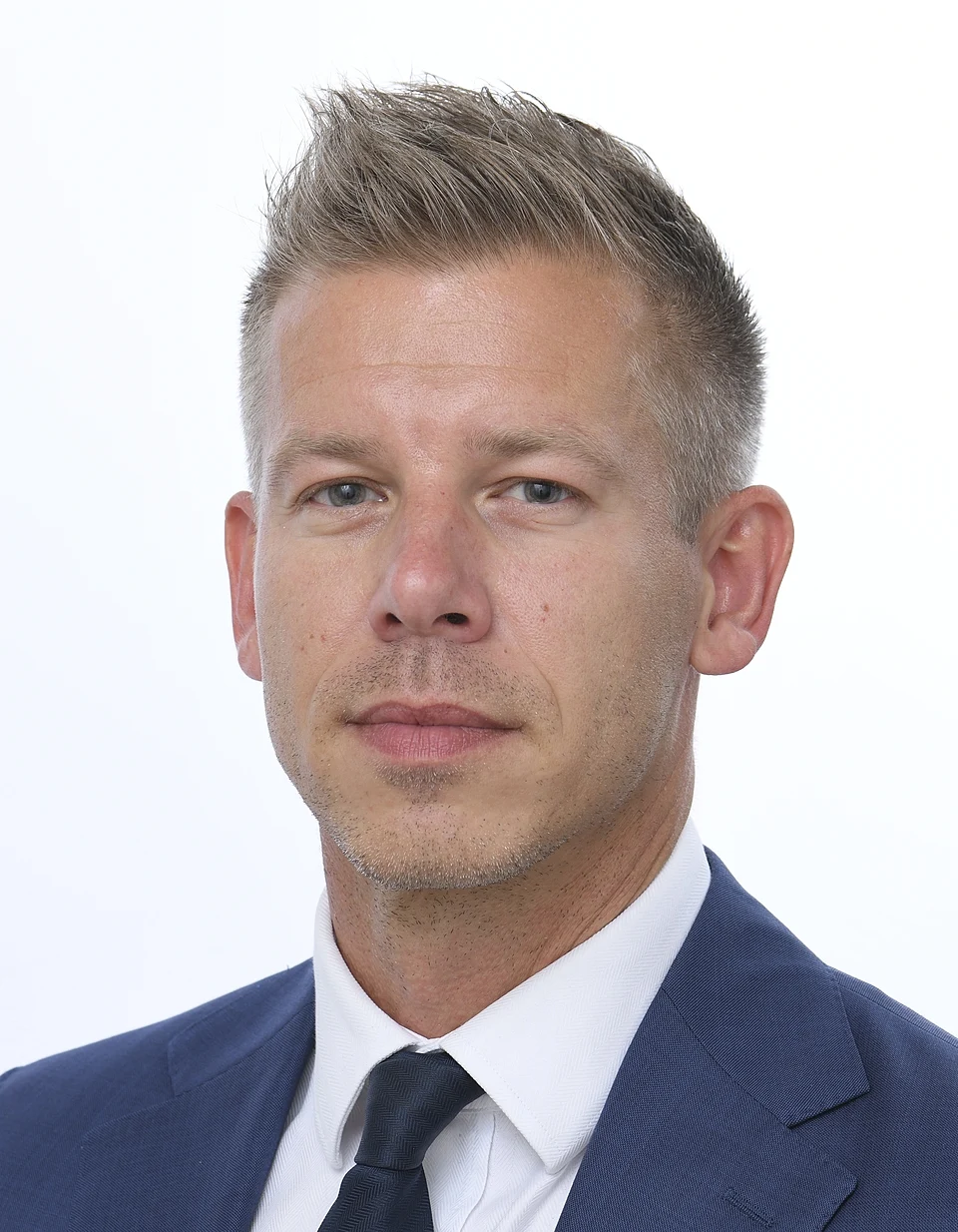
More recently, Hungary has seen another major shift. In a high-turnout election, many voters turned away from Orbán’s Fidesz party, which had been in power for over a decade. Early results pointed to a strong performance by Peter Magyar and his Tisza movement. Magyar built his campaign around fighting corruption and reconnecting Hungary with the European Union.
Orbán conceded the election not long after polls closed, even though counting was still ongoing. If the results hold, Magyar’s party could win a two-thirds majority in parliament. That would give him the power to change laws and possibly reverse earlier constitutional changes made under Fidesz.
Magyar’s rise has been fast. He was not widely known before 2024, but his message spread quickly. He traveled across the country, speaking in towns and cities, sometimes giving several speeches in one day. His background also drew attention. He had been connected to Fidesz in the past and had worked in government-related roles, which gave him insight into how the system worked.
Even with his success, there are still open questions about what comes next. Magyar has promised to strengthen democratic institutions, improve relations with the EU, and reduce Hungary’s reliance on Russian energy over time. At the same time, he has kept some of his plans general. On issues like migration, he has said he would take a stricter approach than the previous government.
Hungary is now entering a new phase. After many years under one party’s leadership, the country may be heading in a different direction. How smoothly that transition happens, and what changes follow, will become clearer in the months ahead.
Photo: © European Union, 2024. Source: European Parliament Multimedia Centre










.jpg)