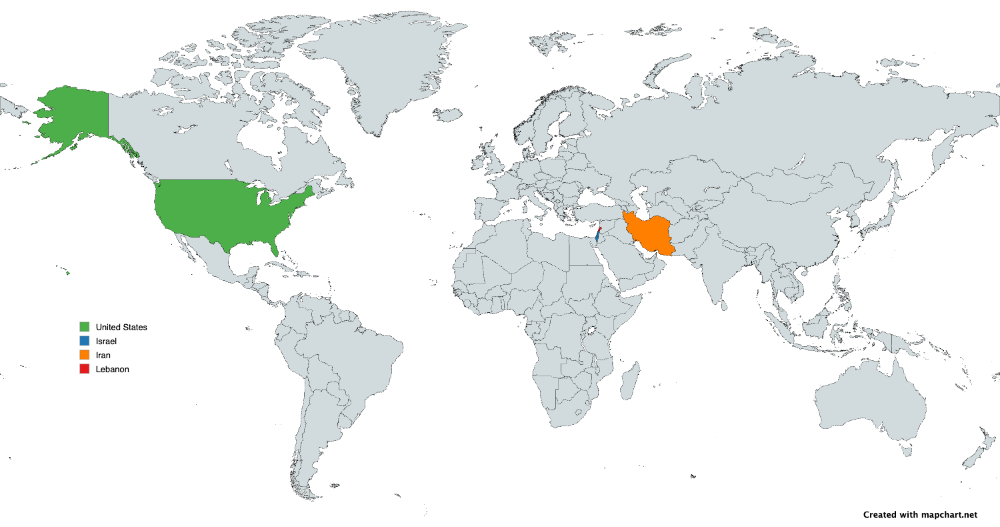
A new ceasefire between the United States and Iran has created a pause in fighting, but there is still confusion about what the agreement actually covers. Donald Trump said that Lebanon is not part of the deal, calling the conflict there a “separate skirmish.” His comments came as Israel carried out heavy air strikes in Lebanon, targeting areas linked to Hezbollah.
The ceasefire is expected to last for two weeks. Trump said the U.S. would stop bombing Iran during that time, and Iranian officials have reportedly agreed to the pause. One key part of the agreement involves Iran reopening the Strait of Hormuz, which is an important route for global oil shipments. After the deal was announced, leaders around the world and financial markets reacted positively to the news.
Even so, not everyone agrees on the details. Pakistan, which helped bring the two sides together, said the ceasefire should apply to the entire region, including Lebanon. Shehbaz Sharif described it as a full regional truce. Iranian officials have also suggested that Lebanon is included and warned that continued Israeli attacks there could affect the agreement.
The situation became more tense after Israel launched a large wave of air strikes across Lebanon. The attacks hit residential areas, medical centers, and other locations. Lebanese health officials reported that more than 250 people were killed and over 1,100 were injured. Many of the strikes took place in crowded areas, adding pressure to an already difficult humanitarian situation, with over a million people displaced.
Iran responded with warnings but did not immediately launch new strikes. Officials said they could take action if Israel continues its operations in Lebanon. The Islamic Revolutionary Guard Corps also warned that fighting could start again if the ceasefire is not respected in that area.
Israeli leaders have made it clear that their campaign against Hezbollah will continue. Benjamin Netanyahu said the ceasefire with Iran does not apply to Lebanon. Israeli officials view their conflict with Hezbollah as separate, which directly conflicts with how Iran and Pakistan are describing the agreement.
At the same time, more talks are being planned. U.S. and Iranian officials are expected to meet in Pakistan to discuss the next steps. These talks could shape whether the ceasefire is extended or expanded. Much of that may depend on whether both sides can agree on key issues, including the situation in Lebanon and the reopening of the Strait of Hormuz.
Pete Hegseth said the U.S. had achieved a major victory in its recent actions, while Iran has also claimed success from its side. Despite those claims, the ceasefire remains uncertain. What happens next may depend on whether fighting in Lebanon continues and how both sides respond in the coming days.
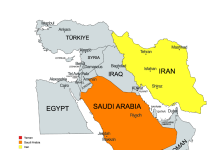
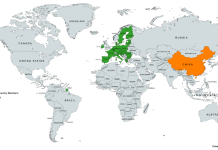
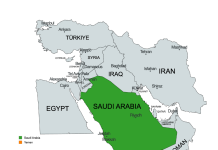
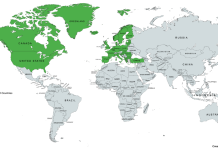
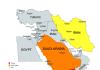
USA = Green
Israel = Blue
Iran = Orange
Lebanon = Red
Image is licensed under the Creative Commons Attribution-Share Alike 4.0 International license and was created using MapChart (https://mapchart.net).