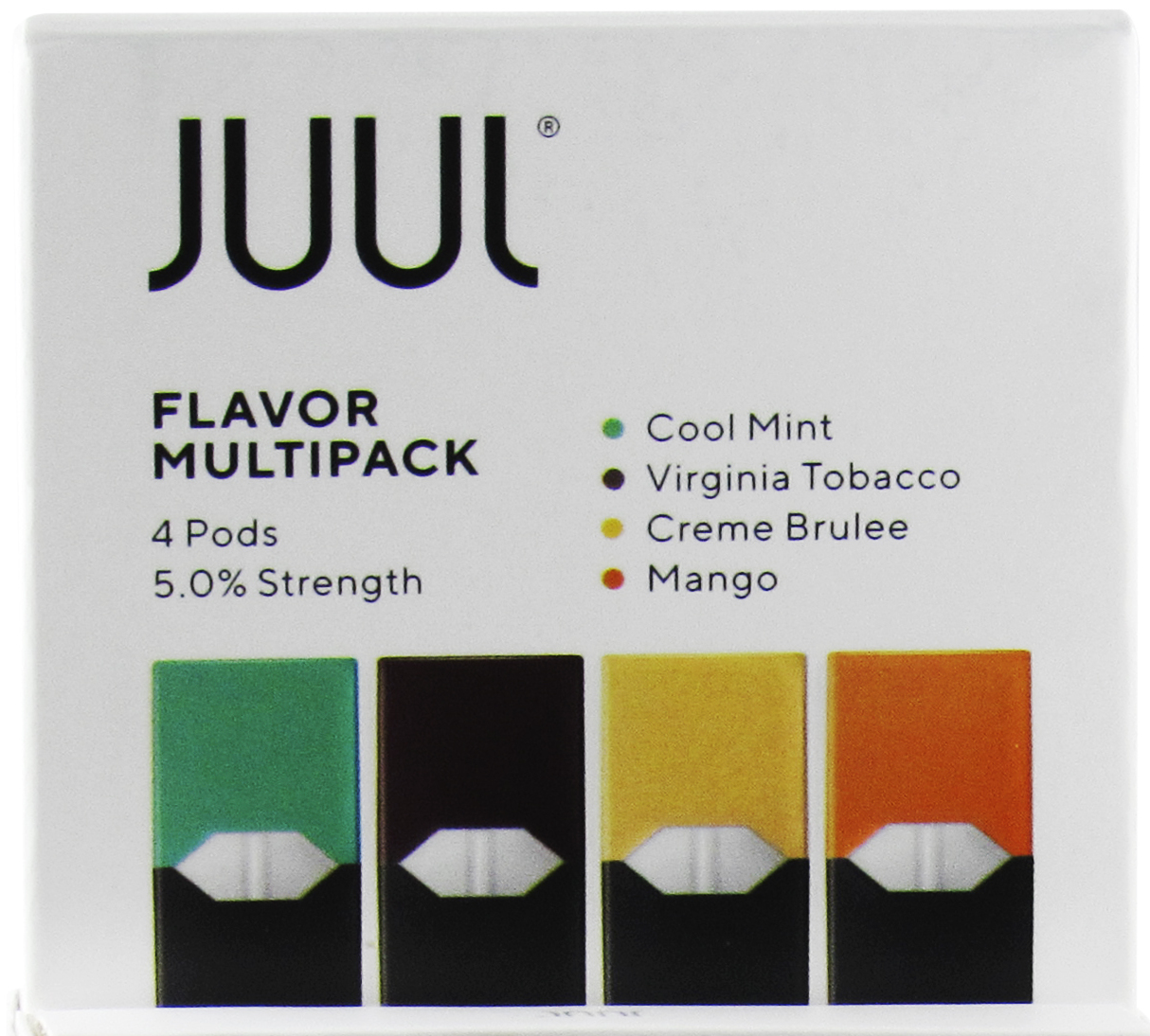
The U.S. Food and Drug Administration (FDA) has authorized Juul Labs to legally market five of its e-cigarette products, including its main vaping device and menthol- and tobacco-flavored pods. This decision comes after years of regulatory back-and-forth that left the company’s future in doubt.
The authorization followed a thorough scientific review process. The FDA said it found that Juul’s products met the legal requirements under the 2009 Family Smoking Prevention and Tobacco Control Act. The review considered the potential impact on both adult smokers seeking alternatives and youth who might be drawn to vaping products.
According to the agency, Juul submitted data indicating that a large number of adult smokers had successfully switched from cigarettes to Juul’s tobacco- and menthol-flavored products. The company provided a two-year cohort study showing consistent behavior change among users. The FDA emphasized that its decision does not mean the products are risk-free or officially approved. The products are intended for adults 21 and over, and the agency warned that non-smokers should not begin using nicotine.
Juul welcomed the FDA’s decision. CEO K.C. Crosthwaite called it a chance to build a stable market for smoke-free nicotine products. He also stated the company would continue to work with regulators to ensure product quality and marketing compliance.
The company’s troubles began when its flavored pods gained traction among teenagers, prompting public health outcry and legal battles. In 2022, the FDA issued a ban on Juul’s products, citing a lack of evidence regarding potential chemical risks. The agency reversed the ban two weeks later, pending further review. That review has now resulted in official authorization for select products.
Juul has faced lawsuits and a major financial hit in recent years. It settled with the state of North Carolina for $40 million in 2021 over claims it had marketed to youth. The company later paid $1.7 billion to settle thousands of other cases. While Juul has denied deliberately targeting teens, many public health groups blamed it for fueling a youth vaping surge.
The FDA’s decision has not been well-received by all. Organizations such as the Campaign for Tobacco-Free Kids and the American Lung Association expressed concern that authorizing these products could undo progress made in reducing teen e-cigarette use. They argue that Juul’s sleek design and flavored pods played a major role in the rise of underage vaping, and that allowing its return may renew those trends.
Meanwhile, Juul no longer commands the same market dominance it once held. New competitors, including many unregulated imports from overseas, have reduced the company’s market share. Nevertheless, this FDA decision gives Juul an opportunity to re-establish itself under stricter oversight.
The agency stated it will monitor Juul’s compliance with marketing restrictions and will act if violations occur. All vape companies are required to receive FDA authorization before selling products, and future approvals will likely depend on continued data submissions and post-market surveillance.
While the debate over vaping’s impact continues, Juul now has permission to operate within U.S. regulatory standards once again.
Image is licensed under the Creative Commons Attribution 2.0 Generic license and was created by VaporVanity.com.







.jpg)