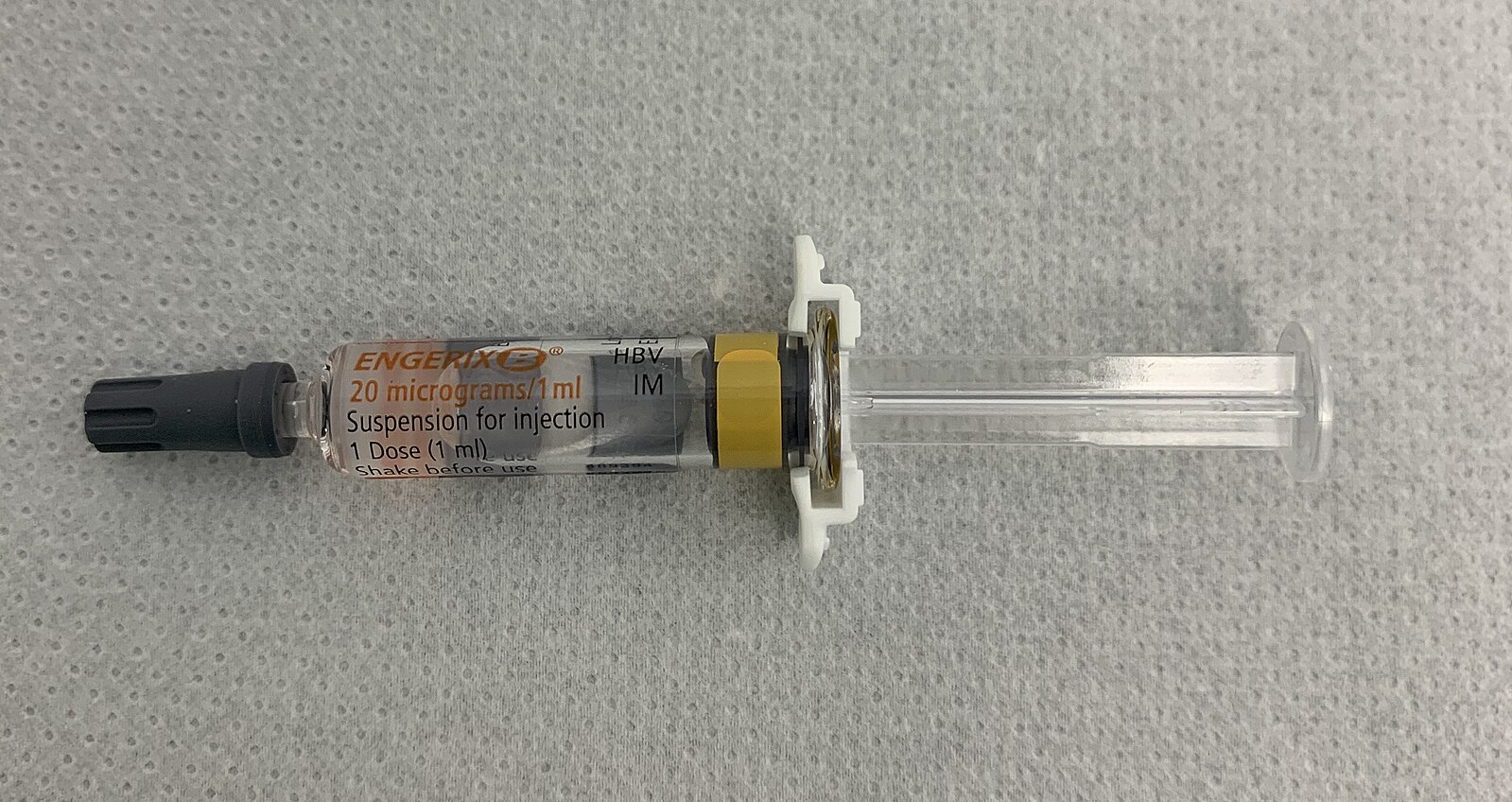
A major debate has unfolded around newborn hepatitis B vaccination after the CDC advisory committee moved to change long standing guidance. For more than thirty years, doctors across the United States have begun protecting infants from hepatitis B within hours of birth, a practice widely viewed as essential for preventing long term liver illness. The committee now recommends giving the first dose only to babies born to mothers who test positive for the virus or whose status is not known at the time of delivery.
This shift has drawn fierce objections from pediatric experts and public health professionals who argue that the universal birth dose has been central to reducing infections in children. Many warn that narrowing the recommendation will leave some infants exposed, especially because hepatitis B can spread through tiny amounts of blood or other bodily fluids during everyday care. They stress that newborns depend entirely on adults to manage these risks, and that screening alone cannot close every gap.
The committee’s discussion revealed deep divisions. Several of the newer members were chosen by Health Secretary Robert F Kennedy Jr, who has raised concerns about vaccines for many years. Some members expressed worry that earlier research did not fully examine possible long term effects of giving the vaccine at birth, though no new data showing harm were presented. Others argued that parents should have more time to consider the vaccine and might choose to delay until the infant is older.
Doctors who treat hepatitis B pushed back firmly. They stated that the current approach has prevented severe outcomes for decades and that no verified evidence shows harm from administering the birth dose. Dr Cody Meissner, one of the most experienced voices on the panel, warned that moving away from a universal policy could lead to more infections and that the committee’s duty is to protect the youngest patients. He emphasized that the benefits of early vaccination are well documented and the risks are largely theoretical.
Another vote added to the debate. The committee recommended checking antibody levels after each dose to decide whether children need all three shots. CDC specialists reminded the group that the approved vaccines were designed for a three dose process and that relying on individual antibody tests would introduce uncertainty without supporting evidence.
Observers also raised alarms about the overall direction of the meeting. A lawyer known for challenging vaccines was given extended time to speak, even though he does not work in medicine or science. Researchers who have long studied vaccination declined to attend, saying the committee no longer appears focused on evidence. Several public health advocates described the week’s events as a departure from accepted scientific practice.
The final decision now rests with the acting CDC director, Jim ONeill. Medical groups including the American Academy of Pediatrics plan to continue recommending the birth dose regardless of the committee’s vote. Experts caution that weaker guidance could cause confusion for families and providers, potentially lowering vaccination rates and leaving more children vulnerable to a preventable infection.
Image is licensed under the Creative Commons Attribution-Share Alike 4.0 International license and was created by Whispyhistory.







_vaccine.jpg)