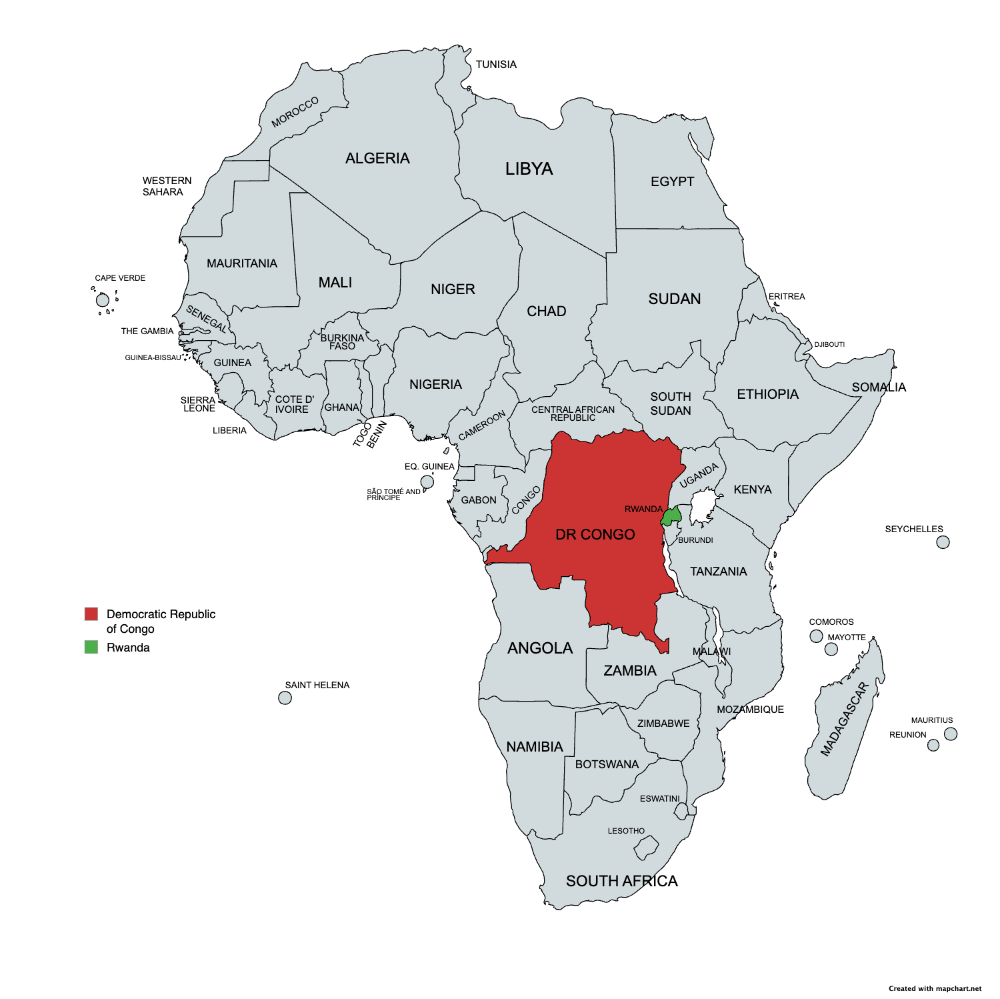
Uganda is temporarily closing its border with the Democratic Republic of Congo as officials try to prevent more Ebola infections from entering the country.
The closure starts immediately and is expected to last four weeks, according to Ugandan health authorities. Some movement across the border will still be allowed for cargo deliveries, security operations, humanitarian work, and medical response teams involved in handling the outbreak.
The decision was announced after concerns grew over Ebola patients who crossed from Congo into Uganda before the outbreak was officially identified earlier this month. Health officials said some Ugandan medical workers treated infected people without knowing they had been exposed to the virus.
So far, Uganda has confirmed seven Ebola infections. One person has died, a 59-year-old man from Kampala.
Officials are now paying close attention to the number of people connected to exposed healthcare workers. Dr. Diana Atwine from Uganda’s Ministry of Health said those workers later returned home and interacted with relatives and others around them.
“They have families,” she said while discussing the increase in contacts being monitored.
Uganda had already introduced some restrictions before Wednesday’s announcement. Public transportation between the two countries had been suspended earlier as officials tried to reduce movement across the border.
The World Health Organization said countries generally should not fully close borders during outbreaks because people may still travel through smaller unofficial crossings that are much harder to monitor. Along the Uganda-Congo border, there are many informal paths used regularly by local residents and traders.
In eastern Congo, the outbreak has continued spreading as health teams struggle to keep up. The WHO says suspected Ebola cases are approaching 1,000, and more than 220 suspected deaths have been reported. Officials in Congo are also trying to trace thousands of people who may have had contact with infected patients.
The outbreak involves the Bundibugyo strain of Ebola, which is less common than other forms of the virus. Health experts say there is currently no approved vaccine or treatment specifically designed for that strain. Reuters reported that the outbreak was recognized later than expected because early testing focused on another version of Ebola first.
Health workers responding to the outbreak are also dealing with other problems in eastern Congo, including violence from armed groups, shortages of supplies, poor roads, and distrust among some communities. Aid organizations say some treatment sites have even been attacked, making contact tracing more difficult.
WHO Director-General Tedros Adhanom Ghebreyesus said this week that the outbreak is now “outpacing the response.”
Atwine also warned Ugandans to avoid unnecessary physical contact, including handshakes, and encouraged people to use sanitizer more often. She criticized recent celebrations after Arsenal won the Premier League title because large crowds gathered in several areas of Uganda.
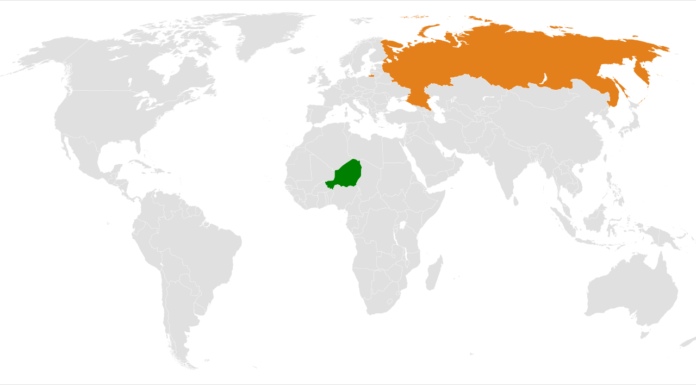
Rwanda = Green
Democratic Republic of Congo = Red
Image is licensed under the Creative Commons Attribution-Share Alike 4.0 International license and was created using MapChart (https://mapchart.net).