A bipartisan housing bill took effect early Saturday after President Donald Trump declined to sign it before the deadline for presidential action expired. Trump also chose not to reject the legislation, allowing it to become law without his signature.
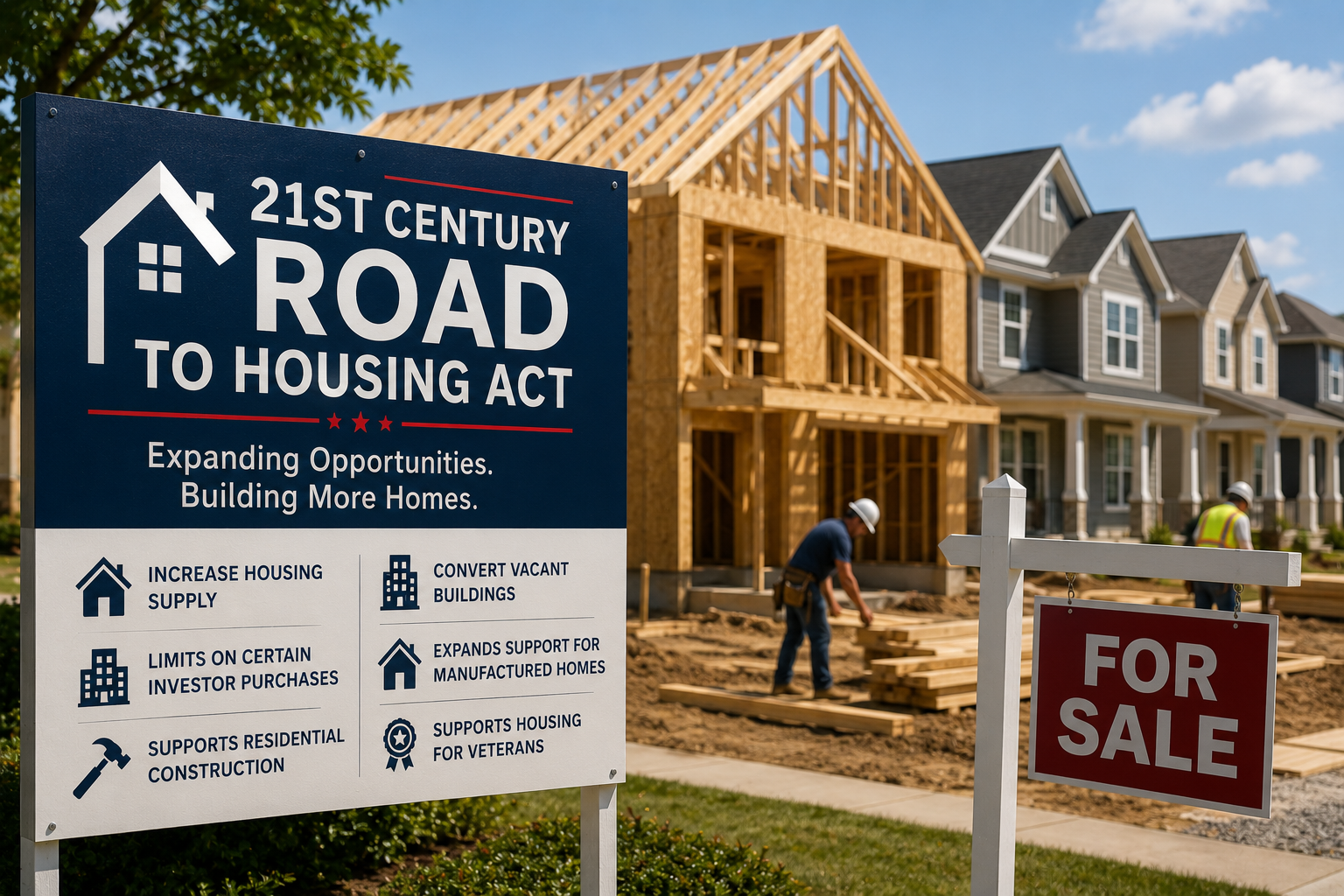
The measure, called the 21st Century ROAD to Housing Act, received broad support in both the House and Senate. It combines more than 45 housing-related policies aimed at increasing the number of available homes and making homeownership more affordable. Among its provisions are new limits on certain purchases of existing single-family homes by large institutional investors, along with programs intended to encourage more residential construction.
Trump had been expected to sign the legislation during a Capitol Hill ceremony last month, but the event was canceled just hours before it was scheduled to begin. He later said he would not approve the housing bill unless Congress first passed the SAVE America Act. That proposal would require people to verify their U.S. citizenship when registering to vote and present photo identification before casting a ballot. Senate Republican leaders have said the measure does not have enough support to clear the chamber.
In a Truth Social post Friday, Trump again said he would not sign the housing bill because the Senate had failed to pass the elections proposal. The housing legislation reached the White House on June 29 after House Speaker Mike Johnson formally delivered it. No action was taken before the constitutional deadline, so the measure officially became law at the start of Saturday.
Massachusetts Sen. Elizabeth Warren, who helped lead the bill in the Senate, criticized Trump’s decision to leave it unsigned. She said the legislation was focused on lowering housing costs and questioned why the president refused to approve it. Johnson defended the bill and said it included many policies that would benefit Americans. He also said Trump viewed election security as a higher priority than the housing package but believed the legislation would still take effect even without a signature.
The law contains a wide range of housing policies. It creates a pilot program to help local governments turn vacant commercial buildings into affordable housing and expands federal support for factory-built homes. Another provision removes a federal requirement that manufactured homes be built on a permanent steel chassis, a change supporters say could reduce construction costs and make different home designs easier to build. It also establishes an innovation fund for communities increasing their housing supply and includes provisions supporting housing opportunities for veterans.
Supporters of the legislation say limiting some purchases by large investment firms could give individual buyers a better chance in the housing market. The law does not provide new federal housing funding, and it does not address issues such as mortgage rates or local zoning rules, which also influence housing affordability. Lawmakers from both parties said they expect the package to encourage more homebuilding over time, although any effects on the housing market are likely to develop gradually.
This image is the property of The New Dispatch LLC and is not licenseable for external use without explicit written permission.