The U.S. Department of Agriculture is rolling out an expanded campaign to block the advance of the New World Screwworm, a parasite capable of inflicting severe damage on livestock and wildlife. Agriculture Secretary Brooke Rollins announced the plan Friday at the Texas State Capitol, standing with Governor Greg Abbott and agricultural leaders.
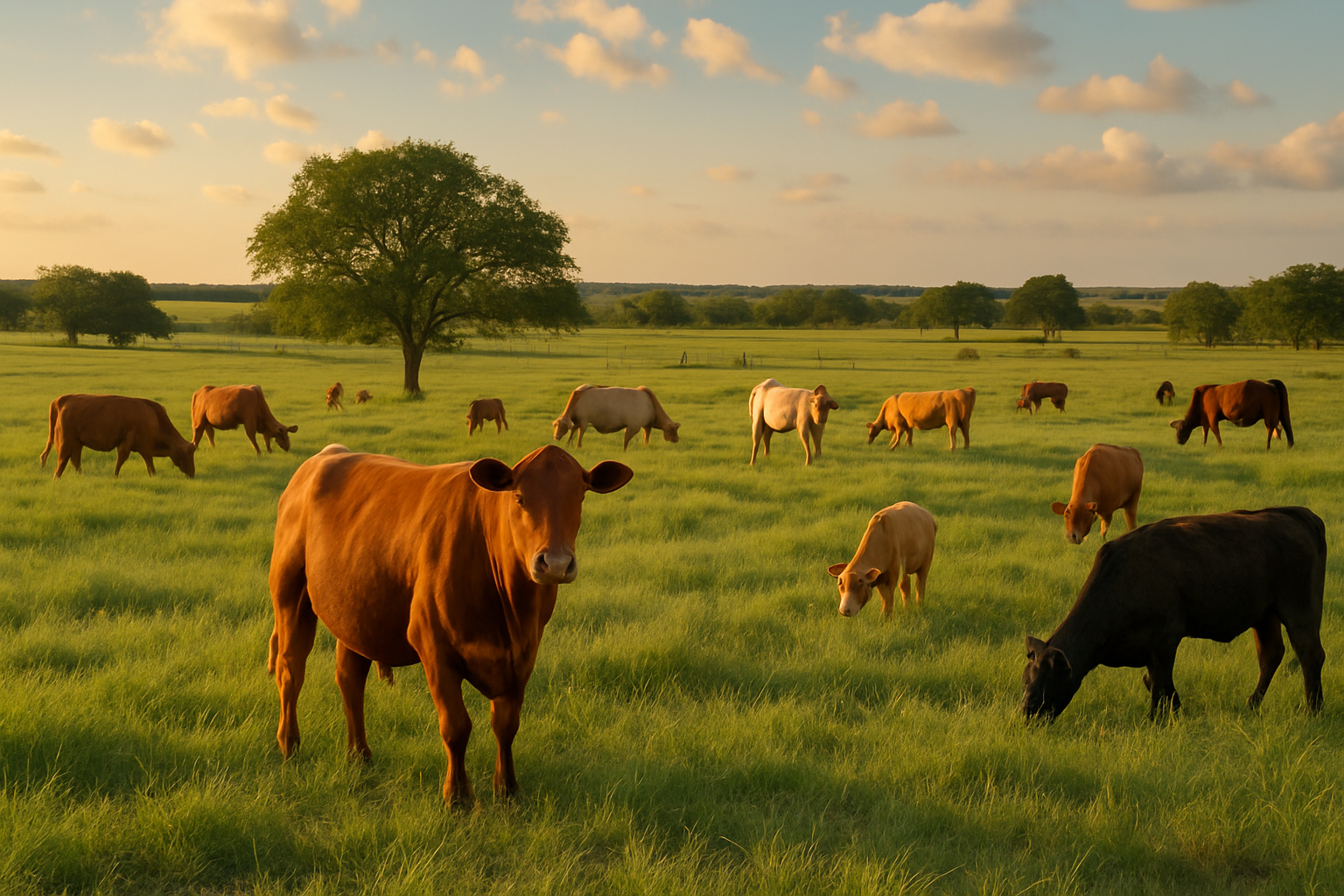
The screwworm fly is a parasitic insect whose larvae feed on living tissue. Infestations can kill animals if left untreated, affecting cattle, deer, horses, pets, and on rare occasions people. Although the parasite was eliminated from the United States decades ago, recent detections in Mexico have moved close enough to the border to trigger concern.
Central to the USDA’s initiative is the construction of a new sterile fly production center in Edinburg, Texas. Once complete, the facility will be able to release hundreds of millions of sterile flies each week. When these flies mate with wild screwworms, the eggs do not develop, steadily driving down populations. The plant will work in concert with existing operations in Panama and a planned facility in Mexico, creating a layered line of defense to push outbreaks further south.
Beyond the new facility, the USDA is investing in research to modernize control tools. Funding will support next-generation sterilization methods, stronger trapping systems, and medical treatments that could be stockpiled in case of an outbreak inside the U.S. The department is also coordinating with the Food and Drug Administration to speed approvals for animal drugs, while the Environmental Protection Agency and Department of Energy are assisting with new technological approaches.
Another part of the plan addresses the risk of wildlife spreading the pest across borders. USDA intends to expand its mounted patrol force, often called Tick Riders, who monitor animals moving through rangeland near the Rio Grande. Detector dogs will also be trained to identify infested livestock at ports of entry and along the frontier. These steps are designed to catch cases early before they can take hold in U.S. herds.
Partnership with Mexico remains essential. American officials are working with Mexico’s agricultural agency to strengthen reporting and restrict movement of animals from affected areas. Surveillance and trapping are being expanded, and U.S. staff are assisting with oversight to ensure infestations remain south of the border.
Governor Abbott stressed that the stakes are high for Texas, where cattle production plays a central role in the economy. Analysts estimate that if the parasite reached Texas, losses could approach two billion dollars annually. Wildlife experts warn that deer populations would also be at risk, pointing to past outbreaks that devastated herds in the 1960s.
Agricultural groups across the country have expressed support for the effort, saying a domestic sterile fly facility will reduce reliance on foreign production sites and strengthen preparedness. Farm bureaus, cattlemen’s associations, and wildlife organizations have described the initiative as critical to maintaining food security.
So far, no cases of New World Screwworm have been detected in the United States. Federal officials say the aim is to act before the pest gains a foothold. By combining border surveillance, international cooperation, and a new production facility in Texas, the USDA hopes to prevent a resurgence of one of the most destructive parasites in North America.
This image is the property of The New Dispatch LLC and is not licenseable for external use without explicit written permission.