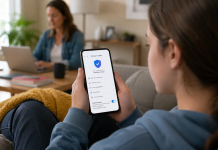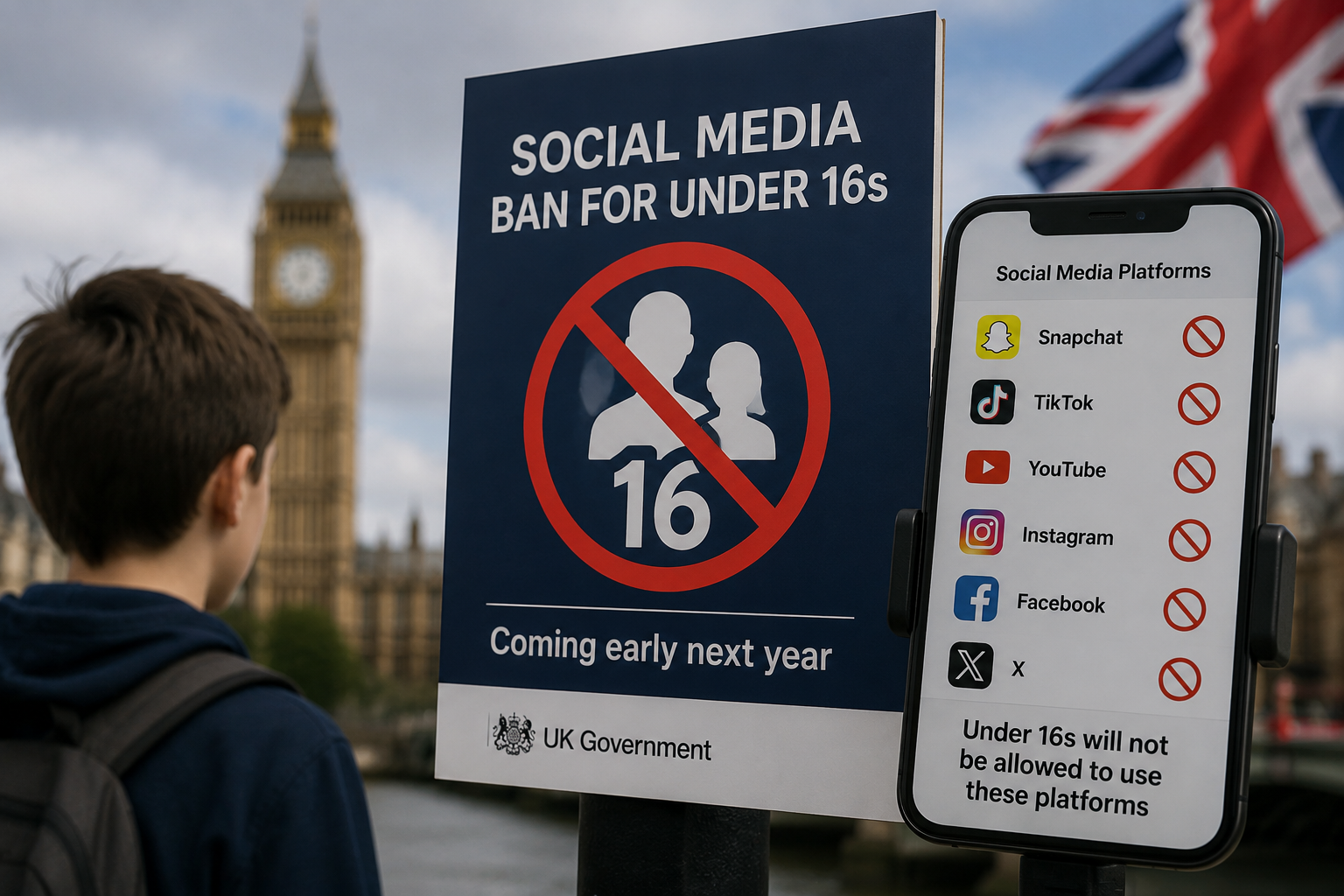
Britain will ban children under the age of 16 from using several major social media platforms, Prime Minister Keir Starmer announced Monday, saying the move is aimed at protecting young people from harmful content and reducing excessive screen time.
The ban is expected to take effect early next year and will apply to platforms including Snapchat, TikTok, YouTube, Instagram, Facebook, and X. YouTube Kids and messaging services such as WhatsApp and Signal will not be included. Companies that fail to take reasonable steps to prevent children under 16 from using the platforms could face multimillion-dollar fines. Starmer said enforcement will focus on technology companies rather than children.
Speaking at a news conference, Starmer said he knows some teenagers will try to get around the rules, but he believes the policy can still work. He compared it to laws preventing underage drinking, saying that the possibility of people breaking rules is not a reason to avoid making them. He also said he is “not prepared to compromise on the safety and happiness of our children.”
Starmer, who has two teenage children, argued that many parents have already seen the effects social media can have on young people. “Every parent can see it with their own eyes. Social media is making children unhappy,” he said. He added that families have been asking the government to take action.
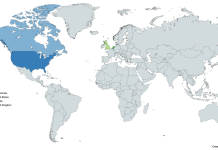
The U.K. is joining a growing number of countries that are tightening rules around children’s access to social media. Australia became the first country to ban social media accounts for children under 16 last year. Canada, Brazil, and Indonesia have also introduced laws or announced restrictions, while countries including France, Spain, Denmark, Thailand, and South Korea are studying similar measures.
Starmer said Britain plans to follow Australia’s approach but will also introduce extra protections. The government intends to stop strangers from contacting children on gaming and livestreaming platforms. AI chatbots designed to simulate romantic or sexual relationships will be limited to users over 18. Officials are also looking at possible overnight curfews and breaks in endless scrolling for users under 18. More details are expected next month. Some of the plans are still being worked out.
The proposal received mixed reactions. During a public consultation, the government said it received 116,000 responses from parents, children, and the technology industry. More than 90% supported banning social media for children under 16.
Children’s safety campaigners welcomed the announcement. Esther Ghey, whose daughter Brianna was killed in 2023 after the teenagers responsible had accessed harmful online content, said the policy could potentially save lives if it is combined with other measures. Ellen Roome, who has campaigned for stronger online safety laws after her 14-year-old son’s death, said technology companies had enough time to make changes on their own and stricter action is needed.
The NSPCC also backed the government’s plans but said platforms must introduce strong age checks and properly enforce the rules.
Technology companies and other critics questioned whether a blanket ban would solve the problem. YouTube said children could end up using anonymous services that are less safe, while Meta warned teenagers might move to online spaces without parental controls. Kate Edwards of the Molly Rose Foundation said age verification has been difficult to enforce and argued that the real issue is harmful algorithms and content. Jon Crowcroft, a communications systems professor at the University of Cambridge, also said policing platforms is easier than policing individual devices.
The policy could also increase tensions with the United States. The U.S. Embassy in London said regulations should not violate free speech protections and warned they could place greater burdens on American technology companies. Starmer said he expects to discuss the issue with U.S. President Donald Trump and other world leaders during the Group of Seven summit in France, adding that many leaders agree children should be protected online even if there are different views on how the rules should work.
This image is the property of The New Dispatch LLC and is not licenseable for external use without explicit written permission.