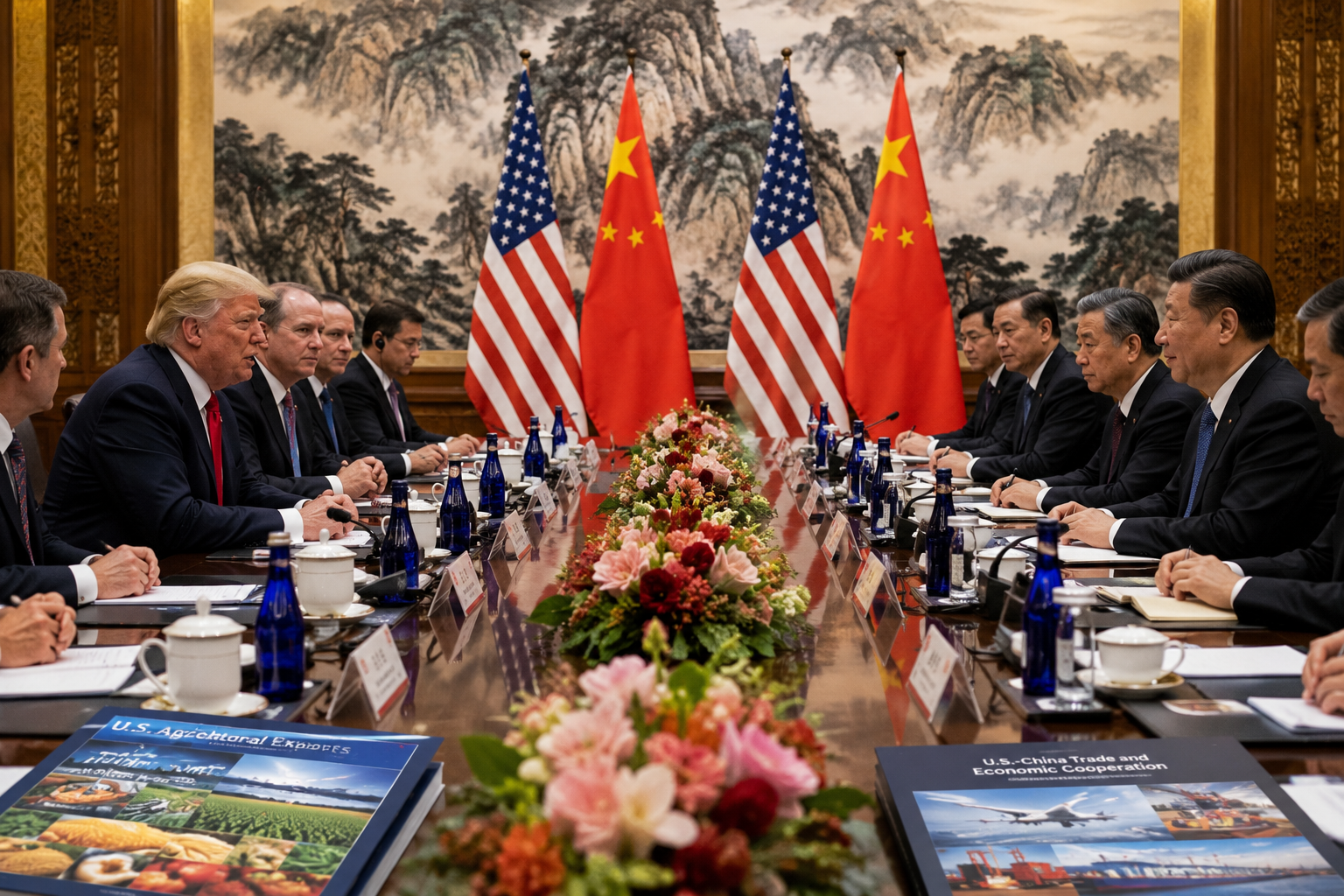
President Donald Trump wrapped up two days of meetings in Beijing last week with Chinese President Xi Jinping, ending the visit with a series of new agreements tied to trade, agriculture, and global security issues.
The summit marked the first visit by a sitting U.S. president to China since 2017. Trump and Xi also agreed to meet again later this year in Washington.
Officials from both countries announced plans to set up two new groups aimed at handling economic discussions between the United States and China. One would focus on trade involving non-sensitive goods, while the other would deal with investment concerns between the governments.
A large part of the talks centered on trade and supply chains. The White House said China agreed to respond to American concerns about access to rare earth minerals and materials used in advanced technology and manufacturing. Those materials include neodymium, scandium, yttrium, and indium. China controls much of the world’s supply chain for those minerals, which are used in electronics, vehicles, and other products.
The United States also announced that China approved an initial order of 200 Boeing aircraft for Chinese airlines. Chinese officials acknowledged the aircraft agreement too, although Beijing’s statement focused more on maintaining supplies of airplane engines and parts from the United States.
Agriculture agreements were another major outcome from the meetings. According to the White House, China plans to purchase at least $17 billion in U.S. agricultural products each year from 2026 through 2028. American officials said those purchases would come in addition to earlier soybean commitments discussed in 2025.
Chinese government statements after the summit were less specific. Beijing said the two countries agreed to encourage agricultural trade but did not mention soybeans directly or provide exact numbers tied to future purchases.
China also reopened access for American beef exports by renewing approvals for hundreds of U.S. beef facilities. Officials said discussions would continue on lifting remaining restrictions involving beef plants. Imports of poultry from U.S. states cleared by the U.S. Department of Agriculture are set to resume as well.
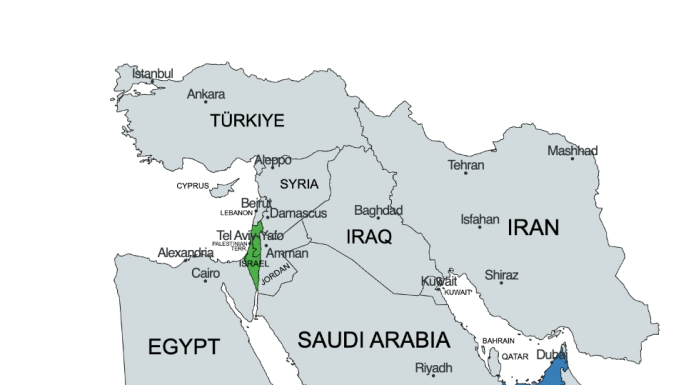
The summit included talks on security matters outside trade. Trump and Xi both stated that Iran should not obtain a nuclear weapon. They also called for shipping routes through the Strait of Hormuz to remain open. Both governments repeated support for the denuclearization of North Korea.
Even with the announcements, many of the larger trade disputes between the countries remain unresolved. Tariffs introduced during the trade war that started in 2018 are still mostly in place. Restrictions connected to technology exports and critical minerals also remain a point of tension.
Trade relations between Washington and Beijing have shifted back and forth over the past several years. Tariffs first imposed during Trump’s first term stayed largely intact under President Joe Biden, while both governments expanded controls involving semiconductors, technology, and industrial materials.
The latest summit appeared to continue a temporary easing in tensions rather than produce a full trade agreement. Some analysts described the meetings as limited in terms of long-term changes, though both governments signaled interest in keeping communication open for now.
China and the United States remain closely tied economically despite years of disputes over tariffs, manufacturing, and technology policy.
This image is the property of The New Dispatch LLC and is not licenseable for external use without explicit written permission.