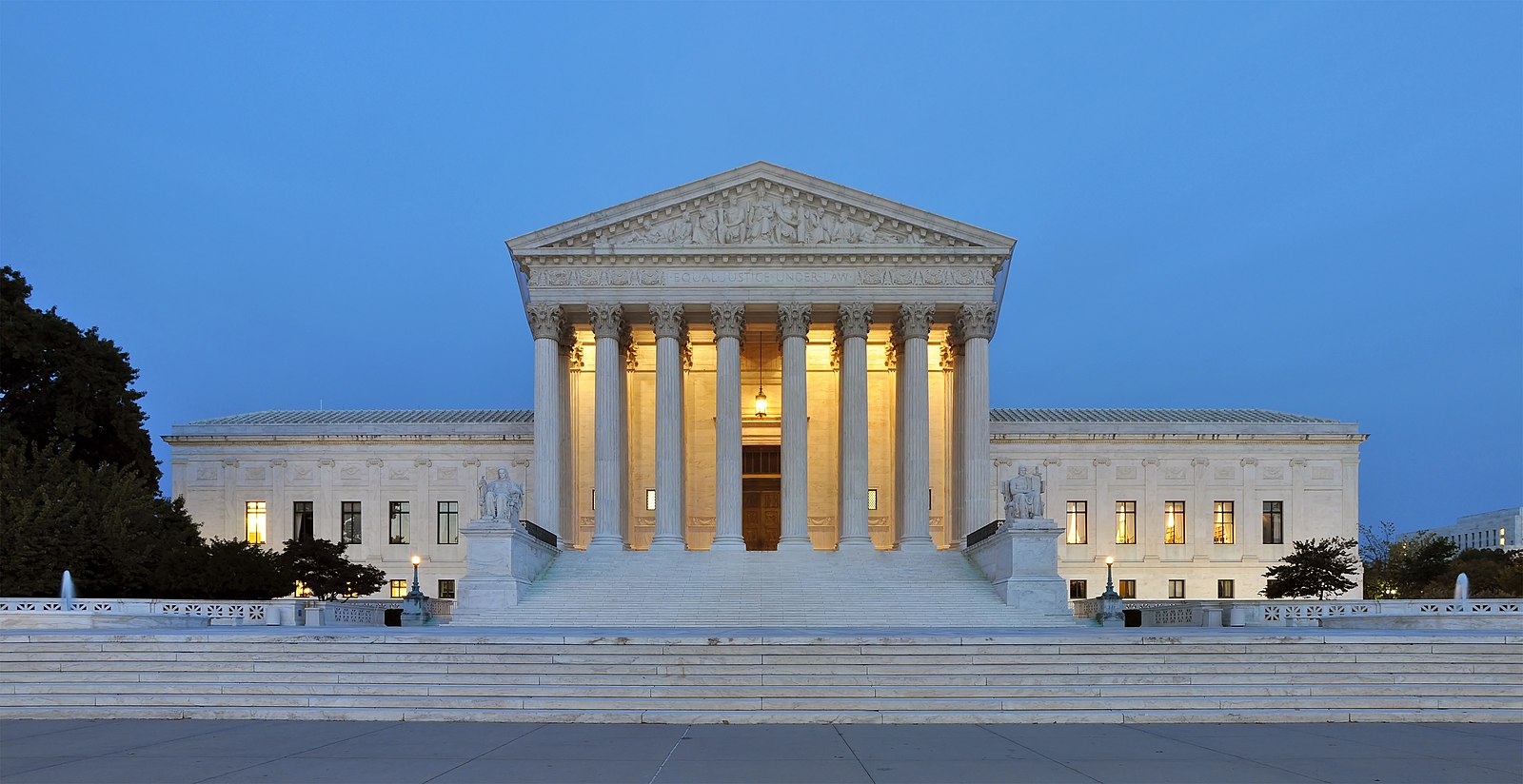
The U.S. Supreme Court has cleared the Trump administration to continue deporting alleged members of a Venezuelan gang under the Alien Enemies Act, a law that dates back to 1798. The decision, delivered in a 5-4 vote on April 7, gives the green light for now but emphasizes that individuals must be granted time to contest their deportation in court.
The justices stated that those facing removal must be informed in a timely way and given an opportunity to file legal objections in the proper court. This means that challenges must be made in the region where the individuals are being held, which in this instance is Texas, not Washington, D.C., where the original lawsuit was filed.
Justice Sonia Sotomayor, writing in dissent and joined by the two other liberal justices and partly by conservative Justice Amy Coney Barrett, criticized the speed of the decision and warned of the risk it posed to those affected. She noted that forcing people to file legal complaints from detention centers around the country could prevent them from getting proper legal review.
The case involves a group of Venezuelan nationals detained by U.S. immigration authorities. The government argues they are connected to Tren de Aragua, a criminal group based in Venezuela that was recently labeled a foreign terrorist organization. The administration says these individuals pose a threat and that the 1798 law allows for swift action in the interest of national safety.
The American Civil Liberties Union (ACLU), which filed the suit on behalf of five Venezuelan men, welcomed part of the ruling. Though disappointed that the case must now begin again in a different court, ACLU attorney Lee Gelernt stressed that the core takeaway is that detainees have a right to be heard before being removed.
Judge James Boasberg had previously blocked the deportations in March, saying the use of the Alien Enemies Act required closer inspection. The Trump administration, however, said that planes carrying the men had already departed before the order took effect, and therefore did not halt the flights. Nearly 240 men were reportedly transferred to El Salvador, where U.S. officials coordinated with local authorities.
Critics argue that the law, written during a time of expected war with France, was not designed to be used in this context. Historically, it has only been invoked during formally declared wars. Trump’s move marks the first time the law has been applied in peacetime to deport individuals alleged to be part of a criminal network, rather than foreign military forces.
Administration officials maintain that each person removed was vetted and identified as a gang member. But some advocates and family members of deportees say the criteria used—such as tattoos or previous affiliations—may have led to mistaken identities. Others worry about the precedent this sets for future use of the law.
Though the ruling permits removals to resume, it leaves open broader questions about how far the president’s powers extend under the Alien Enemies Act. Courts are expected to examine those issues in the months ahead as individual legal challenges work their way through the system.
Image is licensed under the Creative Commons Attribution-Share Alike 3.0 Unported license and was created by Joe Ravi.