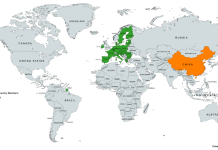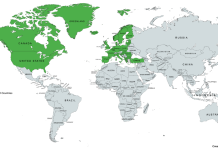
NATO member states have reached a preliminary agreement to increase defense spending targets to 5% of gross domestic product (GDP) by the year 2035. This adjustment comes as the alliance responds to ongoing security concerns and mounting pressure from Washington to balance contributions across its 32 members.
The upcoming NATO summit in The Hague is expected to formalize this new benchmark, which divides the 5% goal into two categories: 3.5% dedicated to core defense — including troops, weapons systems, and equipment — and 1.5% allocated toward broader security-related measures, such as cyber capabilities, infrastructure upgrades, and energy protection.
The previous spending target of 2% of GDP was set in 2014 but has been inconsistently met across the alliance. As of 2024, 22 countries had reached that level, while others, including Spain and Canada, have remained below it. Under the new structure, even countries that currently meet the old target will need to adjust further, and the scale of investment required could be substantial.
NATO Secretary-General Mark Rutte has pointed to rising tensions in Eastern Europe and the continued war in Ukraine as key drivers behind the increase. He has also emphasized the need for member nations to invest in modern defense systems such as air defense, drones, tanks, logistics, and cybersecurity.
The proposed timeline gives countries until 2035 to reach the new benchmark, with an interim review scheduled for 2029. However, questions remain about how individual governments will fund the higher expenditures. Some European Union mechanisms have been introduced to help ease the financial transition, including exemptions from deficit rules and the creation of a 150-billion-euro arms fund designed to provide loans for defense cooperation projects.
Reactions to the plan have been mixed. Poland and Estonia have already committed to increasing their defense budgets, citing concerns about regional threats. Estonia is preparing to spend an average of 5.4% of GDP on defense from 2026 to 2029, while Poland has stated it is on track to meet the 5% goal in the near future.
Spain, however, has openly challenged the necessity of the increase. Prime Minister Pedro Sanchez argued that his country can fulfill NATO capability requirements by spending just 2.1% of GDP. His comments have drawn criticism, with NATO officials clarifying that all members will be monitored for progress and must meet operational benchmarks regardless of percentage allocations.
Even countries more aligned with the plan may face difficulties. The United Kingdom has expressed support but is reportedly seeking a delay due to domestic budget constraints. Italy, which only recently reached the 2% level, has raised doubts about the alliance’s current direction.
The United States, which has long urged its European partners to share more of the defense burden, is seen as a key force behind the increase. Former President Donald Trump previously advocated for a 4% target, and his administration continues to prioritize stronger defense commitments from allies.
While consensus has been reached in principle, execution may vary widely depending on economic conditions and political will in each member country. The shift reflects a broad recognition that current security challenges require long-term planning, increased resources, and a reassessment of existing strategies.
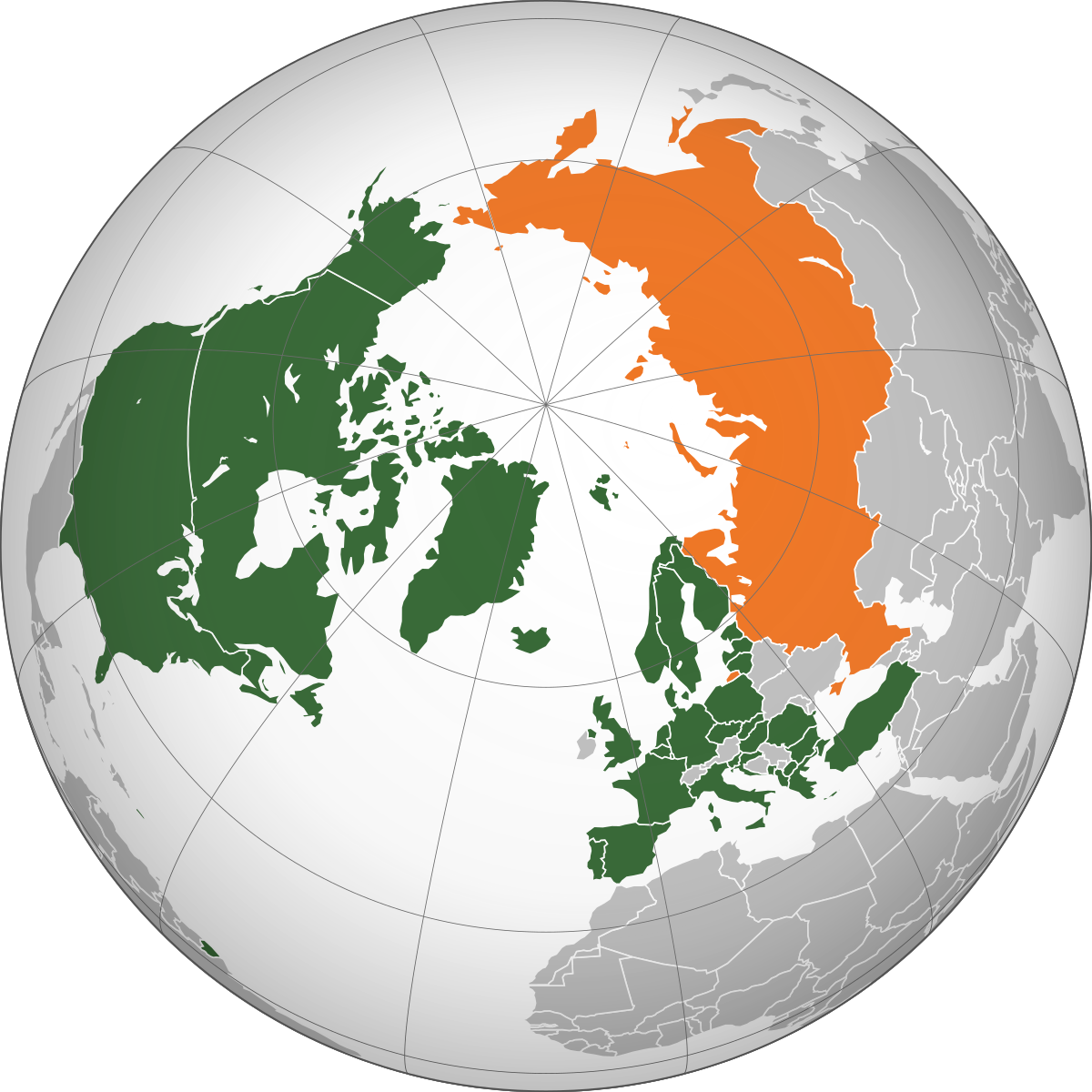
Image is licensed under the Creative Commons Attribution-Share Alike 4.0 International license and was created by Justin Kunimune.