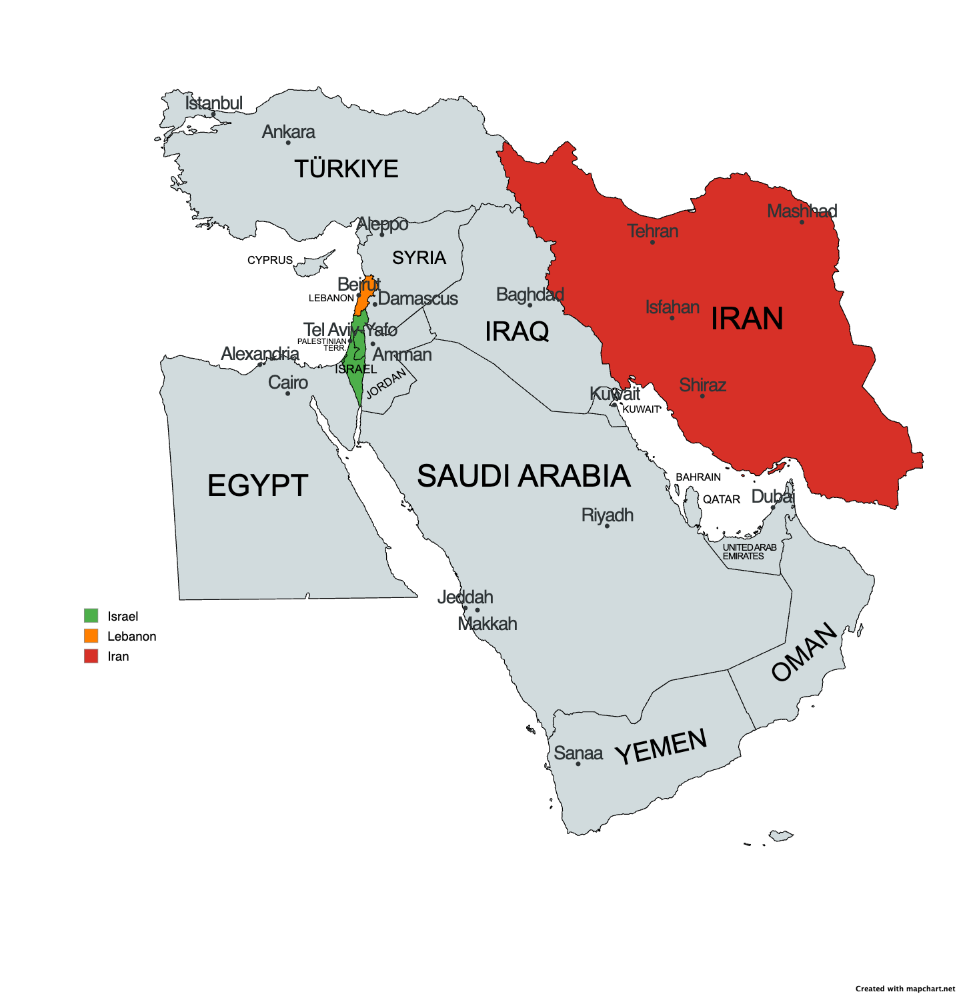
Israeli Prime Minister Benjamin Netanyahu said Thursday that he has directed his cabinet to move forward with plans for direct discussions with Lebanon. The decision comes during ongoing fighting between Israel and Hezbollah, a group based in Lebanon that has been involved in repeated clashes with Israeli forces.
According to Netanyahu, the purpose of these potential talks would be to address Hezbollah’s weapons and explore the possibility of improving relations between the two countries. He said the step was taken after Lebanon had made multiple requests to begin negotiations.
At the same time, military activity has continued across Lebanon. The Israel Defense Forces reported carrying out a large number of strikes targeting Hezbollah positions. Lebanese emergency officials said the attacks caused widespread damage and led to hundreds of deaths, along with more than a thousand injuries. One official described a recent day of strikes as the most deadly since this phase of the conflict began in early March.
Lebanon’s government reacted quickly. Prime Minister Nawaf Salam said his administration plans to bring the issue before the United Nations Security Council. He also announced new security measures in Beirut, where many of the casualties occurred. These include increasing the presence of the army and tightening control over weapons in the capital.
Salam explained that only state forces should be allowed to carry weapons in Beirut, which appears to be aimed at limiting Hezbollah’s influence. Netanyahu later responded positively to that move, suggesting it could help create conditions for dialogue.
However, there are still major disagreements about what should happen next. Hezbollah has made it clear that it does not support direct negotiations with Israel at this stage. Representatives of the group have said that any talks should come only after a ceasefire is in place. Some Lebanese officials have taken a similar position, emphasizing the need to stop the violence first.
Regional tensions are also affecting the situation. Earlier in the week, the United States and Israel carried out strikes targeting Iran, followed by a short-term ceasefire agreement between Washington and Tehran. Iranian President Masoud Pezeshkian criticized Israel’s actions in Lebanon, arguing that they go against the spirit of that agreement and could disrupt ongoing diplomatic efforts.
U.S. leaders have responded by saying the ceasefire with Iran does not include Lebanon. Vice President JD Vance stated that the agreement was never intended to cover Israeli operations against Hezbollah, and that any confusion likely came from different interpretations of the deal.
Meanwhile, Lebanese President Joseph Aoun said he is continuing to pursue a diplomatic path. He indicated that international support for negotiations may be growing, though no clear timeline has been set.
For now, the situation remains uncertain. Military actions are still ongoing, while discussions about possible negotiations continue in the background. Whether those talks actually begin may depend on how conditions develop in the coming days.
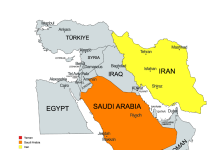
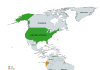
Israel = Green
Lebanon = Orange
Iran = Red
Image is licensed under the Creative Commons Attribution-Share Alike 4.0 International license and was created using MapChart (https://mapchart.net).