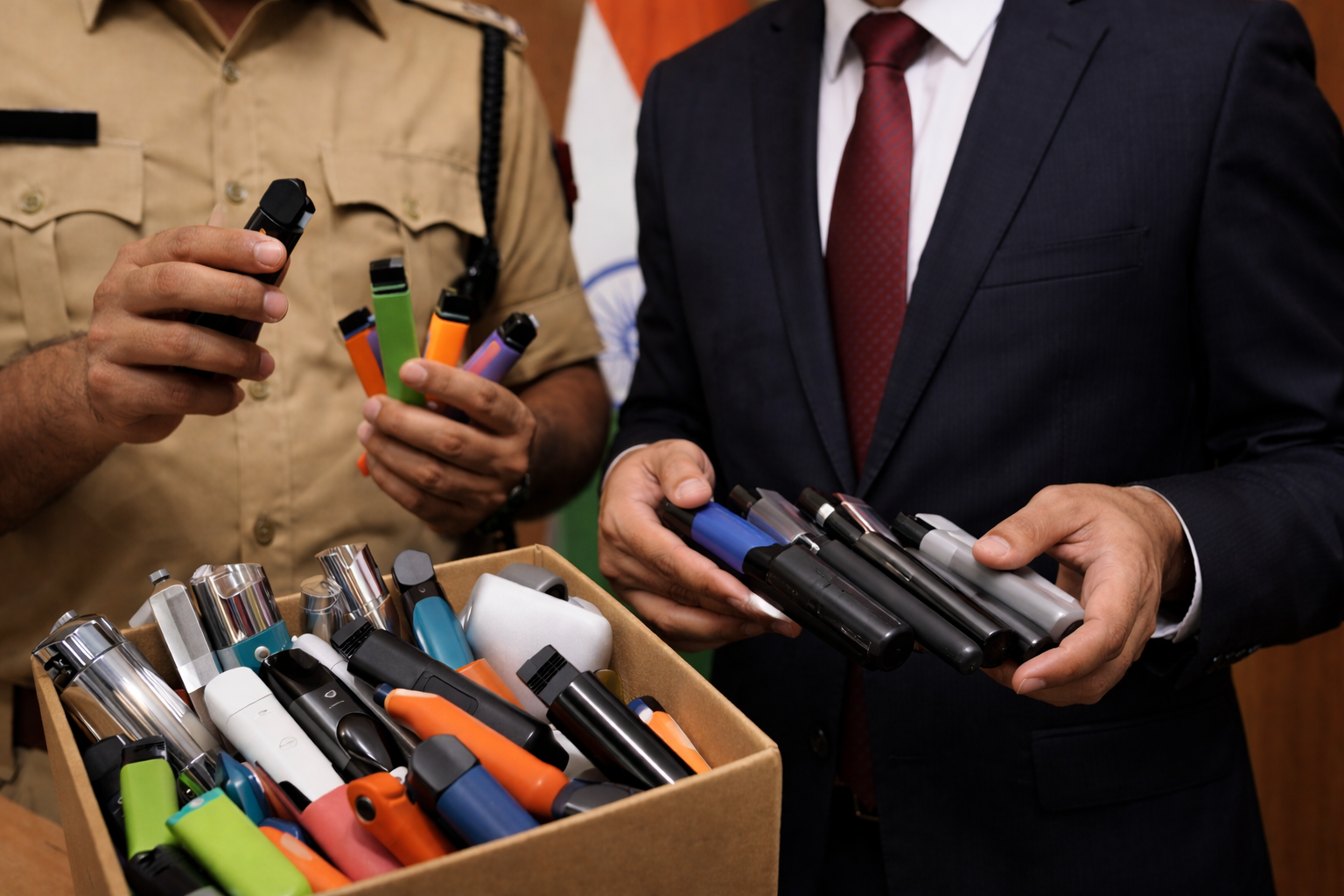
India has reaffirmed its commitment to its nationwide ban on e-cigarettes and heated tobacco products, rejecting calls from Philip Morris International to reconsider the policy. The decision, confirmed by the country’s health ministry, maintains restrictions first put in place in 2019 and keeps the company’s flagship IQOS device out of one of the world’s largest tobacco markets.
India sells more than 100 billion cigarettes each year and ranks among the top markets globally by volume. Tobacco use is linked to more than a million deaths annually in the country, a factor that has shaped its strong stance on nicotine products. Government officials say the existing law clearly includes heated tobacco devices and that there are no plans to revoke, amend, or soften the current restrictions. The ministry added that India will continue to rely on evidence-based tobacco control and cessation measures as part of its public health policy.
Philip Morris had hoped India would become a key market for its smoke-free alternatives, which it argues are less harmful than traditional cigarettes. IQOS, launched in 2014, heats tobacco instead of burning it and now has more than 35 million users worldwide. The company has found success in several countries, including Japan, and controls a large share of the global heated tobacco market.
However, documents reviewed by Reuters indicate that Philip Morris has spent the past four years privately lobbying Indian officials and a parliamentary health panel to allow such products. Letters sent between 2021 and 2025 urged authorities to examine the science behind heated tobacco devices and consider exempting them from the ban. The company also suggested bringing in international experts and researchers to present data on how these products could reduce harm compared with smoking.
In one letter, a senior company executive proposed that policymakers explore a harm-reduction approach similar to strategies used in other areas of public health. The company also called for India’s top medical research body to review scientific evidence on heated tobacco. The Indian Council of Medical Research later said it was not considering any studies on the products.
Beyond written appeals, Philip Morris executives have met officials at international gatherings such as the World Economic Forum in Davos to discuss potential investment and the role of smoke-free products in the tobacco sector. Company representatives say they regularly engage with governments around the world on ways to advance public health through alternatives to smoking.
Despite being unable to sell IQOS in India, Philip Morris has still increased its presence in the conventional cigarette market. Its share rose from about 1.75% in 2019 to roughly 7.6% in 2024, according to Euromonitor estimates. Meanwhile, British American Tobacco remains closely linked to the dominant local company ITC, which holds a strong position in the market.
Philip Morris chief executive Jacek Olczak has described India’s ban as illogical, arguing that alternatives such as heated tobacco and vaping devices are blocked while cigarettes remain widely available. He maintains that data from other countries show smoking rates can fall when smokers switch to alternatives.
Regulators elsewhere have taken mixed positions. The U.S. Food and Drug Administration has said heated tobacco products may help public health if smokers move away from cigarettes, while the World Health Organization has warned about potential risks.
For now, India’s stance closes the door on IQOS and similar products. The decision highlights the regulatory challenges facing tobacco companies as they try to transition toward smoke-free technologies while operating in markets that remain wary of new nicotine devices.
This image is the property of The New Dispatch LLC and is not licenseable for external use without explicit written permission.