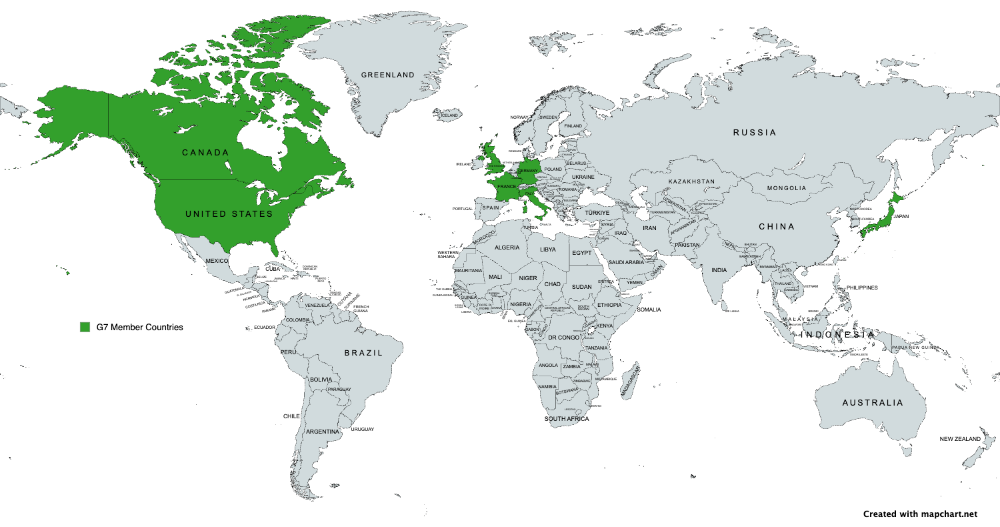
G7 governments are preparing to draw from emergency energy reserves as diesel remains unusually expensive in the United States and Europe. The countries agreed to make 100 million barrels of oil and petroleum products available, with diesel expected to make up a large part of the supplies entering the market first.
The effort will be spread out over several months. A heavier flow of diesel is planned during the opening weeks, and President Donald Trump said Friday that the process would begin right away.
American diesel prices remain near record territory. AAA reported that the national average was above $6.30 per gallon Friday, after reaching a record level in September. European markets have experienced record diesel prices as well.
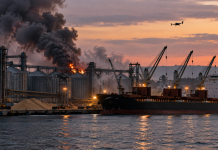
The shortage is tied to problems affecting several sources of global fuel. Damage connected to fighting in the Persian Gulf region and difficulties moving petroleum out of the area have reduced available refined products. Russia has also halted diesel sales abroad following Ukrainian attacks on Russian refining operations.
Countries that previously depended on Russian fuel now have to purchase it somewhere else. That puts them in competition with other buyers and adds pressure to a market that already has fewer supplies moving through some of its normal channels.
Drawing diesel from European storage could have an indirect benefit for American consumers. Michael Lynch of the Energy Policy Research Foundation said reduced European demand for fuel produced in the United States could eventually push American diesel prices lower.
Oil prices in the United States fell about 2% following the G7 announcement. One unresolved question is whether the supplies announced Friday are entirely separate from an international emergency release that began earlier in the year.
International Energy Agency members announced that earlier action in March. It called for more than 400 million barrels of petroleum supplies, including a large contribution from European Union members that leaned toward refined fuels rather than crude oil.
The G7 also decided against restricting energy trade among its members. Some Republicans had supported keeping American diesel from being exported, but Trump said Friday that his administration would not pursue that option.
High fuel costs are arriving at a politically sensitive time in the United States, with congressional elections scheduled for Nov. 3. Republicans are trying to retain their House and Senate majorities, while an AP-NORC survey found that Trump’s economic approval had fallen to its lowest point in that polling.
French President Emmanuel Macron led Friday’s online meeting of G7 leaders. France currently has the group’s rotating leadership role, and Macron and Trump had discussed fuel supplies and prices before the broader meeting took place.
There is a tradeoff to using emergency stocks. They can increase the amount of fuel available during the current shortage, but whatever is taken out eventually has to be replaced. Jim Krane, an energy researcher at Rice University’s Baker Institute, pointed to the uncertainty surrounding that future replacement because governments cannot know what market prices will be at that time.
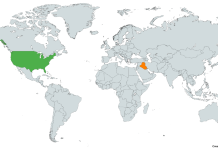
G7 Member Countries = Green
Image is licensed under the Creative Commons Attribution-Share Alike 4.0 International license and was created using MapChart (https://mapchart.net).