Ten years after the Paris Agreement set the world on a new climate pathway, the COP30 summit in Belém, Brazil, closed with an outcome that keeps global cooperation moving but falls short of what science says is needed. Delegates departed with mixed emotions: a sense of endurance and modest gains, but also deep concern that governments are still far from delivering the speed and scale of action required to curb escalating climate risks.
For many researchers, the mood was somber. Years of commitments and analysis have charted clear options, yet COP30 registered only faint advances on cutting emissions. Roughly eighty of the 194 participating governments failed to submit new pledges for 2035, and those that did offered limited improvements. Analysts with the Climate Action Tracker still project warming of more than 2.6 °C this century, far beyond safer levels. As one expert put it, the latest promises do little to change the global trajectory.
The issue most delegates hoped would dominate, the shift away from coal, oil and gas, briefly rose to the forefront. More than eighty countries supported Brazil’s call for a global plan to wind down fossil fuel use. Talks later collapsed amid pushback from several oil producing states. Brazil, joined by Colombia and the Netherlands, vowed to keep working on a transition blueprint outside the formal UN process, with an international conference planned for next spring.
Yet COP30 was far from a failure. It did produce some areas of forward movement, especially on equity, finance and adaptation. Negotiators endured extreme heat, protests led by Indigenous and forest dependent communities, and even a small fire at the venue. Through it all, nearly two hundred governments managed to craft the Belém Political Package, a suite of decisions that may help shift global cooperation from abstract ambition to practical delivery.
One of the clearest signals from Belém was the call to triple adaptation finance by 2035. Adaptation funding, money for flood resistant infrastructure, drought preparation, climate aware farming and early warning systems, remains far below what frontline nations need. The new target, though not a binding commitment, gives development banks and national treasuries a clearer direction for the coming decade. It also fits within broader goals to mobilize more than 1.3 trillion dollars annually in climate finance for developing countries by 2035. How this will be raised, and how much will come as grants rather than loans, remains unresolved.
Alongside adaptation funding, countries agreed on a new UN mechanism to guide a just transition. The Belém Action Mechanism will coordinate expertise, share lessons and support nations working to shift their economies without leaving workers or vulnerable communities behind. The mechanism embeds fairness and inclusion within the climate architecture in a more concrete way than before, a response to long standing demands from labor groups and those whose livelihoods depend on carbon heavy industries.
Another long running challenge, measuring progress on adaptation, saw movement as negotiators adopted fifty nine indicators for the Global Goal on Adaptation. These cover water, food systems, health, infrastructure resilience and finance, among other themes. The indicators will need refinement over the next two years, but their adoption gives countries a starting framework to judge whether the world is preparing adequately for worsening climate impacts.
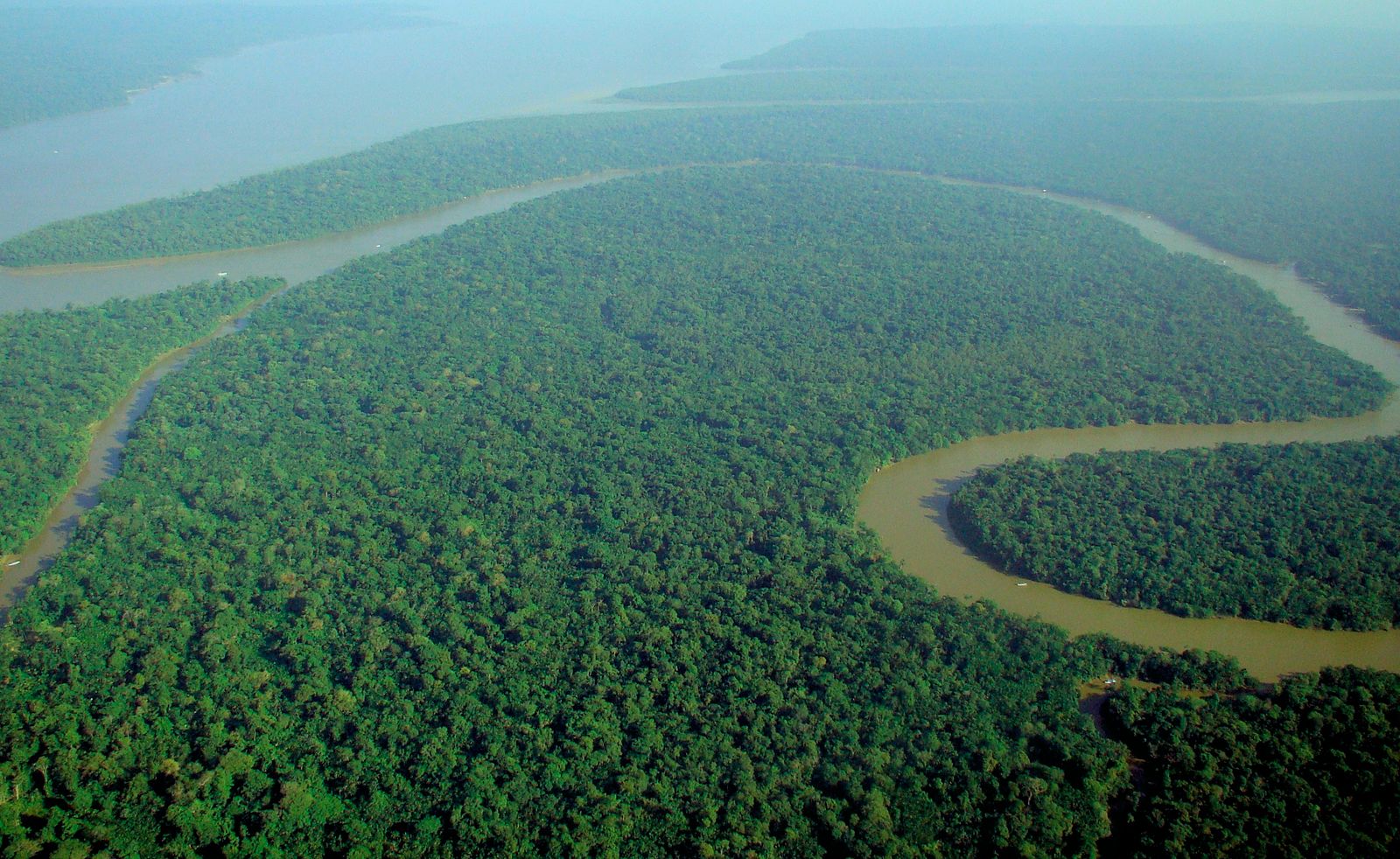
Nature also received attention in Belém. Brazil introduced its Tropical Forests Forever Facility to shift the economics of forest protection, backed initially by six point seven billion dollars in pledges. Governments renewed commitments on forest and land rights, with a focus on securing territory for Indigenous Peoples and local communities, widely regarded as the most effective guardians of ecosystems. Additional initiatives targeted wildfires, degraded farmland and the emerging global bioeconomy. Ocean stewardship gained momentum as several nations joined efforts to integrate marine protection into national climate plans.
A striking feature of this COP was its people centered lens. More than two thousand five hundred Indigenous participants contributed to discussions, and several formal documents explicitly recognized their rights and knowledge. A new Gender Action Plan and an initiative on green jobs and skills emphasized inclusion, opportunity and public well being. The World Health Organization’s Belém Health Action Plan brought health impacts, from heat stress to disease, more firmly into the climate conversation.
Finally, negotiators acknowledged the growing role of trade policy in shaping climate outcomes. For the first time, COP decisions called for structured dialogues on how tariffs, supply chains and global markets interact with climate goals. This reflects a growing understanding that climate action is now inseparable from economic transformation.
COP30 leaves the world at a crossroads. The summit exposed deep weaknesses in global ambition, especially on cutting emissions, yet it also built new platforms, funding expectations and collaborative tools. Whether these elements translate into real world progress will become clearer as countries prepare for COP31 and as the window for effective action continues to narrow.
Image is licensed under the Creative Commons Attribution-Share Alike 2.0 Generic license and was created by lubasi.