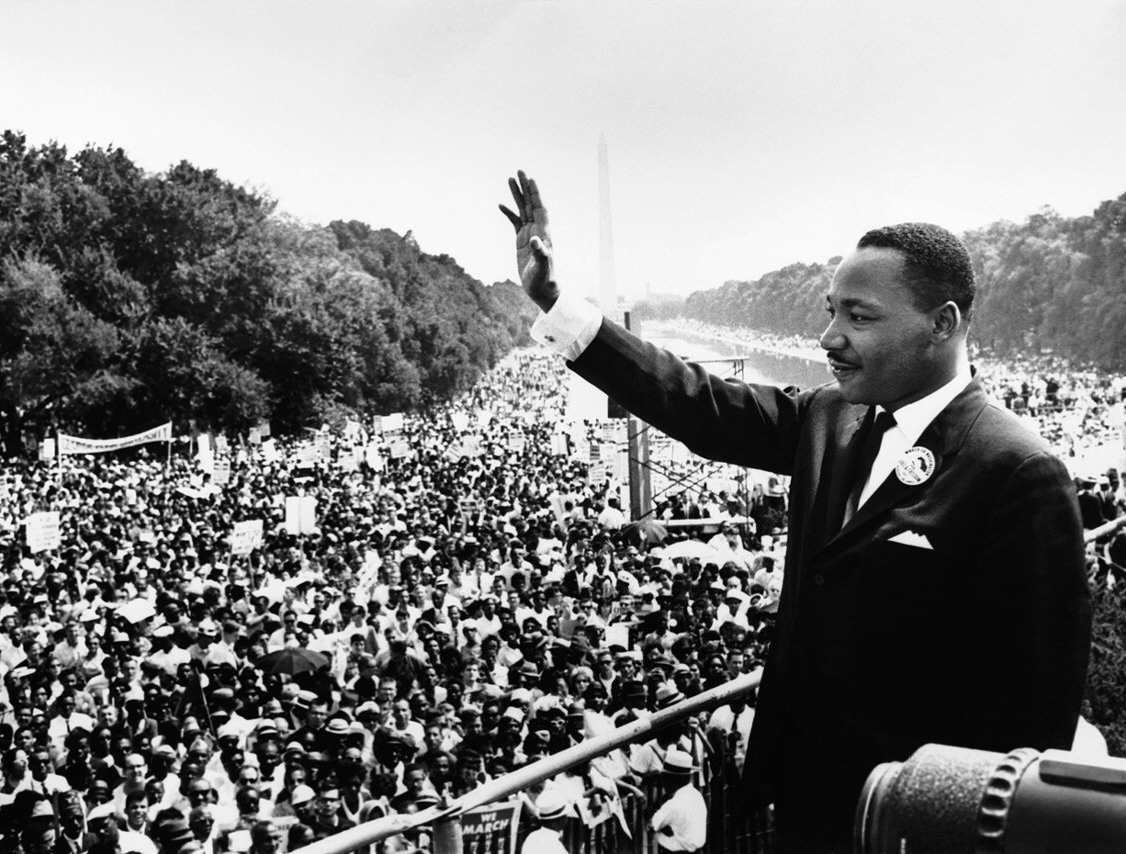
Today, January 19, 2026, Americans across the country pause to observe Martin Luther King Jr. Day, a federal holiday that honors one of the most influential figures in the nation’s history. The day recognizes Dr. Martin Luther King Jr.’s leadership in the civil rights movement and his lifelong commitment to nonviolence, social justice, and racial equality. Although the holiday falls near his birthday on January 15, its purpose extends beyond commemoration to reflection and civic responsibility.
The effort to establish a national holiday began in the aftermath of King’s assassination in 1968. Supporters quickly called for formal recognition of his contributions, but the proposal encountered years of resistance in Congress. Lawmakers debated whether honoring a private citizen with a federal holiday was appropriate and whether the country was ready to elevate King’s legacy to that level. These debates stretched on for more than a decade.
Momentum grew as public advocacy intensified. Throughout the 1970s and early 1980s, civil rights organizations, labor unions, faith groups, and community activists pressed the issue. Coretta Scott King emerged as one of the most visible champions of the effort, traveling widely to promote her husband’s philosophy and the importance of national recognition. Popular culture also played a role, helping introduce the cause to a broader audience and younger generations.
In 1983, Congress passed legislation creating Martin Luther King Jr. Day, and President Ronald Reagan signed it into law later that year. The legislation designated the third Monday in January as the official observance, with the first national celebration taking place in 1986. Even then, acceptance was not universal. Several states delayed adoption or used alternative names, reflecting ongoing political and cultural divisions.
Over time, resistance diminished. Economic pressure, public referendums, and continued advocacy led remaining states to formally recognize the holiday. By the turn of the millennium, Martin Luther King Jr. Day was observed nationwide, though some states paired it with broader human rights observances.
What sets the holiday apart is its emphasis on action. Rather than being framed solely as a day of remembrance, it has been promoted as a day of service. Since the mid-1990s, Americans have been encouraged to volunteer, organize community projects, and engage in efforts that reflect King’s belief in collective responsibility. Service initiatives range from food distribution and neighborhood restoration to educational outreach and civic engagement.
The day is also marked by public gatherings and educational programming. Churches, community centers, and cultural institutions host events examining King’s life and the broader civil rights movement. In Washington, D.C., the Martin Luther King Jr. Memorial stands as a focal point for national observances, offering a space for remembrance and reflection.
As it is observed today, Martin Luther King Jr. Day serves both as recognition of progress made and as a reminder of unresolved challenges. Issues such as access to the ballot, economic opportunity, criminal justice reform, and racial equity remain central to national conversation. King’s words and example continue to resonate, calling on each generation to participate in the ongoing work of building a more just society.
More than half a century after his death, the holiday bearing King’s name is not simply about history. It is about responsibility — a reminder that the pursuit of justice requires sustained effort, moral courage, and a willingness to serve others.
Image is in the public domain. Source: Wikimedia Commons.