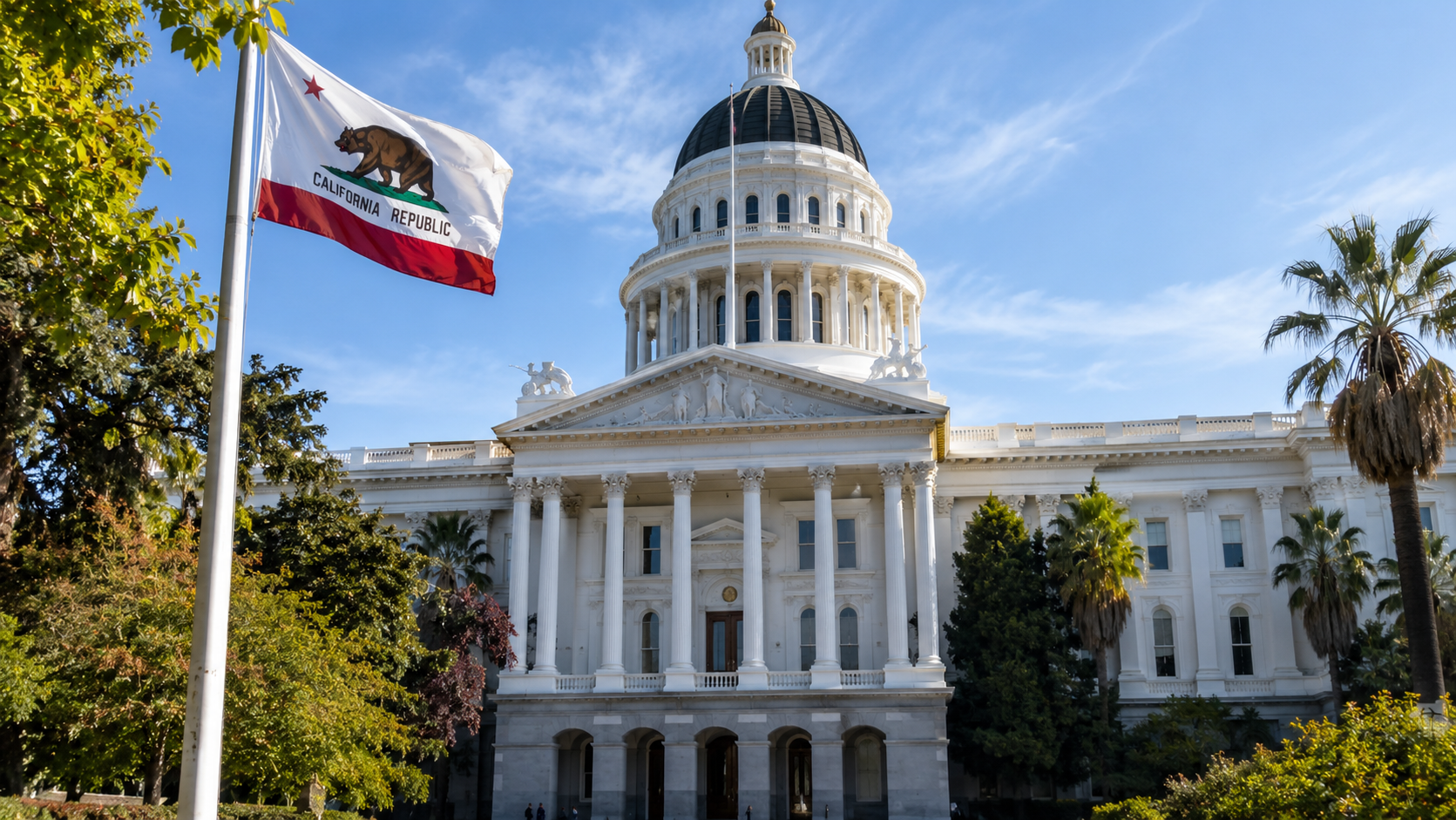
California’s billionaires won’t be facing a new state wealth tax, at least not for now. Voters rejected Proposition 40, a proposal that would have required the state’s richest residents to make a one-time payment based on how much they own. The Associated Press determined Monday that the measure had lost, following an election in which both sides spent heavily trying to win public support.
The idea was fairly straightforward. Anyone living in California with a net worth above $1 billion would have owed the state 5% of their wealth. It wasn’t meant to be an annual tax. Supporters wanted the money primarily for healthcare, with a portion reserved for education and programs helping families afford food.
The healthcare funding issue was central to the campaign. SEIU United Healthcare Workers West, the union supporting the proposal, estimated that California could lose $100 billion in federal healthcare money over five years. The union argued that collecting money from billionaires could help make up for those losses.
Not everyone agreed that the tax would work as intended. Opponents worried that wealthy residents might simply move away rather than pay it. California already collects a large amount of its income tax revenue from its richest residents, and losing some of those taxpayers could leave the state with less money in future years.
Money poured into the campaign against the proposal. Google co-founder Sergey Brin contributed more than $100 million to efforts to defeat it. Building a Better California, a political committee opposing the measure, raised over $333 million. Overall, the opposition brought in roughly 10 times what supporters raised.
The issue also created disagreements among Democrats. Gov. Gavin Newsom opposed the California tax, while Vermont Sen. Bernie Sanders traveled to the state to encourage voters to approve it. California Rep. Ro Khanna supported the measure as well. Newsom has said he favors taxing wealthy Americans at the national level instead, including a minimum tax for people worth more than $100 million.
Several groups usually associated with Democrats sided with the opposition. Planned Parenthood and the California Medical Association were among those concerned about the state’s finances and how the proposed tax money would be divided.
Younger and older Californians saw the proposal quite differently. The AP Voter Poll found that most voters under 30 supported it, while around seven out of every 10 voters aged 65 and older voted against it. Income made a difference too. About half of voters earning below $100,000 supported the tax, compared with a majority of higher-income voters who opposed it.
Some wealthy technology executives had already begun preparing for the possibility that Proposition 40 might pass. Brin and fellow Google founder Larry Page started reducing their ties to California. Meta CEO Mark Zuckerberg took another route, arranging for his company to help cover the possible tax while allowing him to retain his ownership stake.
The proposal may not be gone for good. Its supporters have discussed bringing another wealth tax before voters in 2028 if healthcare funding remains unresolved. They’ve also begun running advertisements in states involved in the next Democratic presidential primary, criticizing Newsom for opposing the California measure.
This image is the property of The New Dispatch LLC and is not licenseable for external use without explicit written permission.