Passover, or Pesach in Hebrew, is a central holiday in Jewish tradition. In 2026, the observance begins on the evening of April 1. It continues for seven days in Israel and eight days in Jewish communities elsewhere, concluding on the evening of April 8 in Israel and April 9 outside of it. The holiday falls on 15 Nisan 5786 in the Hebrew calendar and commemorates the Israelites’ journey out of slavery in Egypt, as described in the Torah.
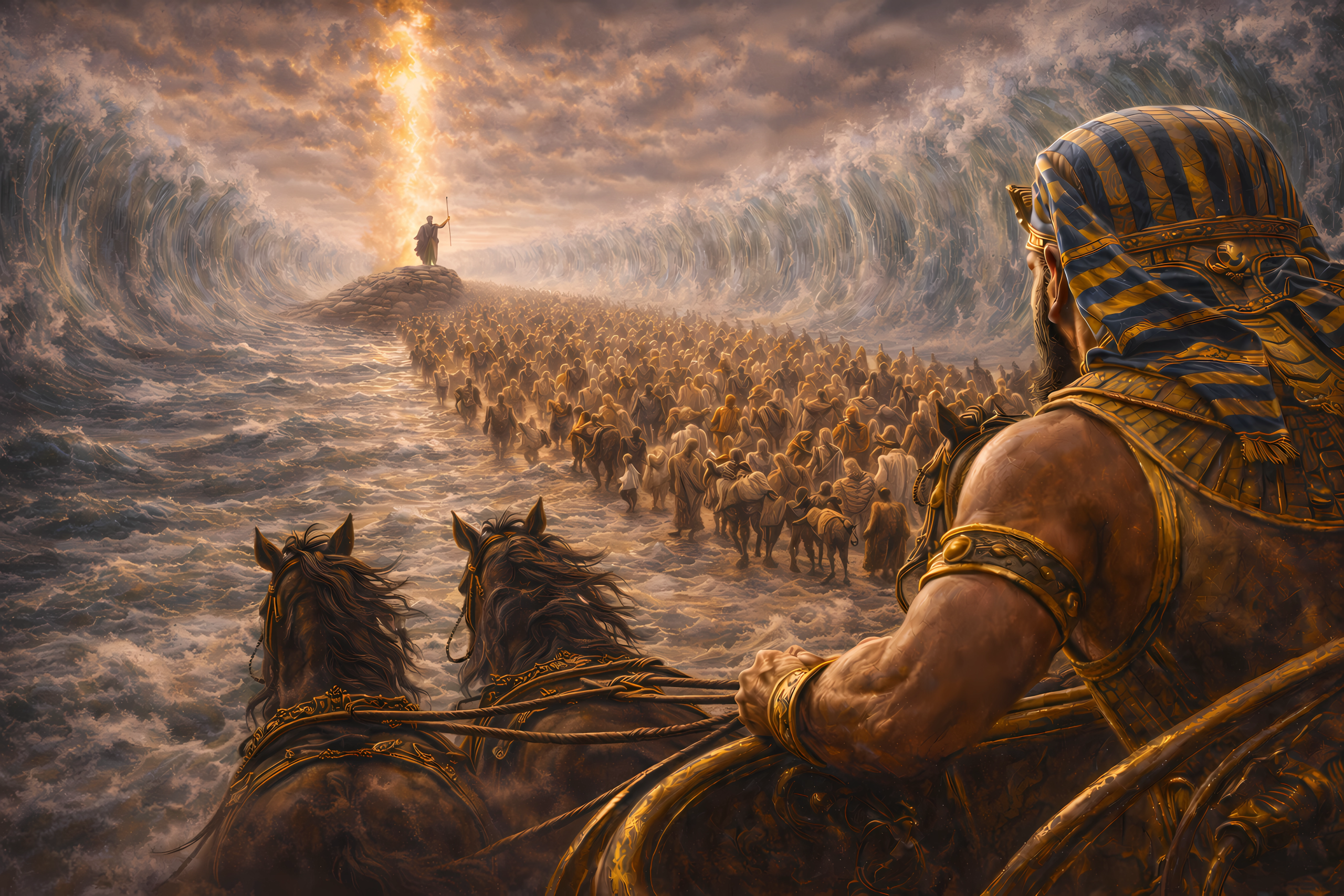
The account of this event appears in the Book of Exodus. It tells of a people living under forced labor who are led toward freedom by Moses. After repeated refusals by Egypt’s ruler to allow their departure, a sequence of escalating calamities takes place. The final event distinguishes Israelite households from others, giving rise to the name of the holiday. The narrative then turns to a rapid departure, undertaken without time for bread to rise, and an escape that marks the beginning of a long journey.
The most widely practiced ritual associated with Passover is the Seder, a ceremonial meal observed on the first night, and on the second night as well in many communities outside Israel. Participants follow the Haggadah, a text that organizes the evening and frames the retelling of the story through readings, questions, songs, and symbolic actions. Key elements include the Four Questions, the recitation of the plagues, and a symbolic cup connected with the prophet Elijah.
A designated plate holds a collection of foods meant to prompt discussion and reflection. Each item points to a different aspect of the story: bitterness representing suffering, sweetness recalling the work performed under oppression, and other elements tied to renewal, sacrifice, and memory. Some traditions include more than one type of bitter herb. The flat, unleavened bread eaten during the holiday, known as matzah, is typically set apart from the plate and serves as a reminder of both hardship and urgency.
Following the destruction of the Second Temple in 70 CE, Passover practices shifted away from sacrificial rites and toward rituals centered in the home. Over time, Jewish communities across different regions developed distinct customs, including those associated with Ashkenazi and Sephardic traditions.
In more recent history, the themes of Passover have been applied to contemporary experiences. The holiday has been observed under difficult conditions, including by Holocaust survivors and by Jews living under restrictive governments. Many modern versions of the Haggadah connect the ancient narrative with broader concerns such as human rights and social justice.
As families gather for the Seder in early April 2026, the holiday continues to emphasize remembrance and responsibility. By retelling the story each year, participants are encouraged to understand freedom not only as a historical event, but as an enduring and personal obligation.
Image is in the public domain and is licensed under the Pixabay Content License.