Crowds gathered in Kyiv and several other Ukrainian cities over the past week after President Volodymyr Zelenskyy dismissed Defense Minister Mykhailo Fedorov. What began as protests over one cabinet decision soon became something larger, with demonstrators also demanding the removal of Ukraine’s top military commander, Gen. Oleksandr Syrskyi.
By Tuesday night, Zelenskyy had announced a major reshuffle. In a televised address, he said Syrskyi would be replaced by Gen. Mykhailo Drapatyi, who will now lead the armed forces while overseeing changes to the military’s leadership structure. Zelenskyy also thanked Syrskyi for his years of service, pointing to his role in defending Kyiv and participating in operations connected to Russia’s Kursk region.
The president said Ukraine’s military objectives would remain the same despite the changes at the top. “The defence of Ukraine continues,” Zelenskyy said, adding that Ukrainian soldiers “deserve to be treated with respect.” It was one of several attempts throughout the address to present the transition as orderly rather than abrupt.
The protests had become increasingly difficult for the government to ignore. Organizers had set a Friday deadline and warned they would continue gathering if Fedorov was not brought back into government. Thousands participated in demonstrations, something rarely seen in Ukraine during wartime. Some people carried signs supporting military modernization, while others focused mainly on Syrskyi’s departure.
Zelenskyy met separately with Fedorov earlier in the day and said he had offered him another senior role within the government. According to the president, the position would involve coordinating Ukraine’s technology sector, though he did not provide additional details. Whether Fedorov intends to accept the offer remains unclear.
Fedorov and Syrskyi had publicly disagreed in recent weeks. Zelenskyy said communication between the two men had effectively broken down, while Fedorov accused Syrskyi of resisting reforms and avoiding direct discussions about problems within the defense system. The disagreement gradually became a public one.
For many Ukrainians, the dispute came to symbolize a broader debate about the military’s future. Syrskyi became associated with a more conventional style of command, while Fedorov built much of his public image around technology and drone development. In public comments, Fedorov argued that the nature of the war had changed over time.
Drapatyi enters the position with years of military experience. He has served in senior commands since fighting began in eastern Ukraine in 2014 and currently leads Ukraine’s joint forces group. Earlier in the conflict, he drew national attention after driving an armored vehicle through a barricade in Mariupol, an episode that is still frequently mentioned in reports about his career.
His responsibilities will extend beyond military operations. Zelenskyy said the new commander will help revise defense planning and address mobilization concerns at a time when fewer Ukrainians are volunteering for service after years of war. Ukraine’s long-range drone operations are also expected to continue under his leadership.
The changes are not limited to the armed forces. Yevhen Khmara has already taken over as defense minister, while questions remain about Fedorov’s future in government. Over the weekend, Fedorov wrote on social media that “change is inevitable” and said discussions were continuing. By Tuesday evening, those discussions were still unfolding.
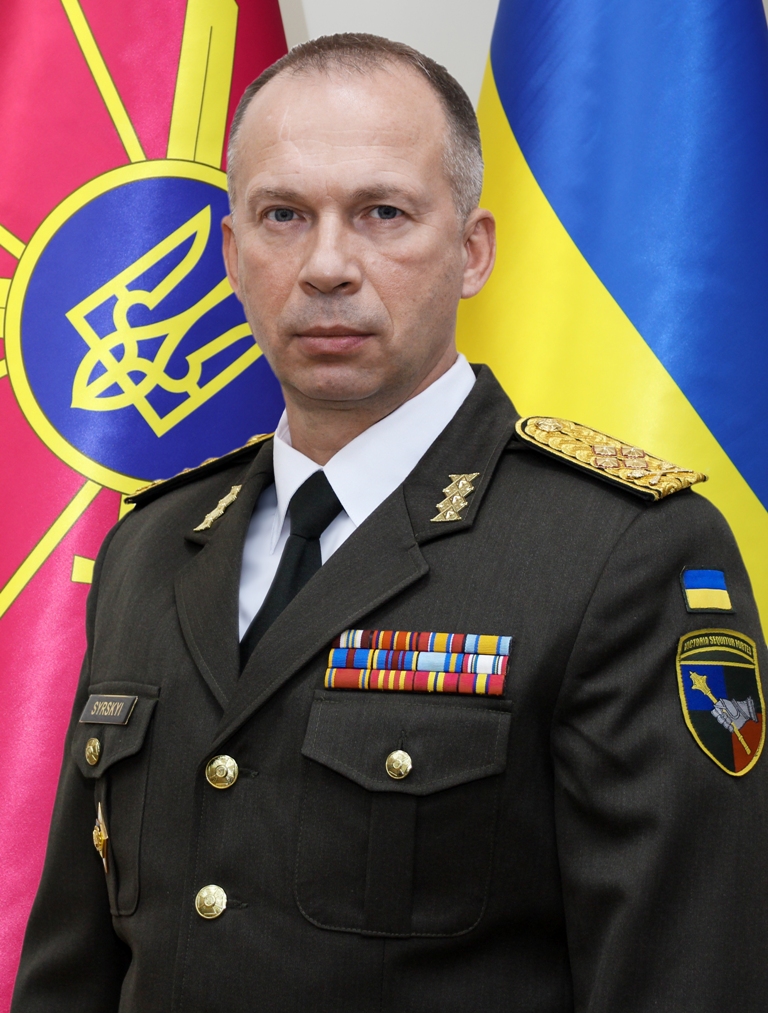
Image is in the public domain and was created by Міністерство оборони України.