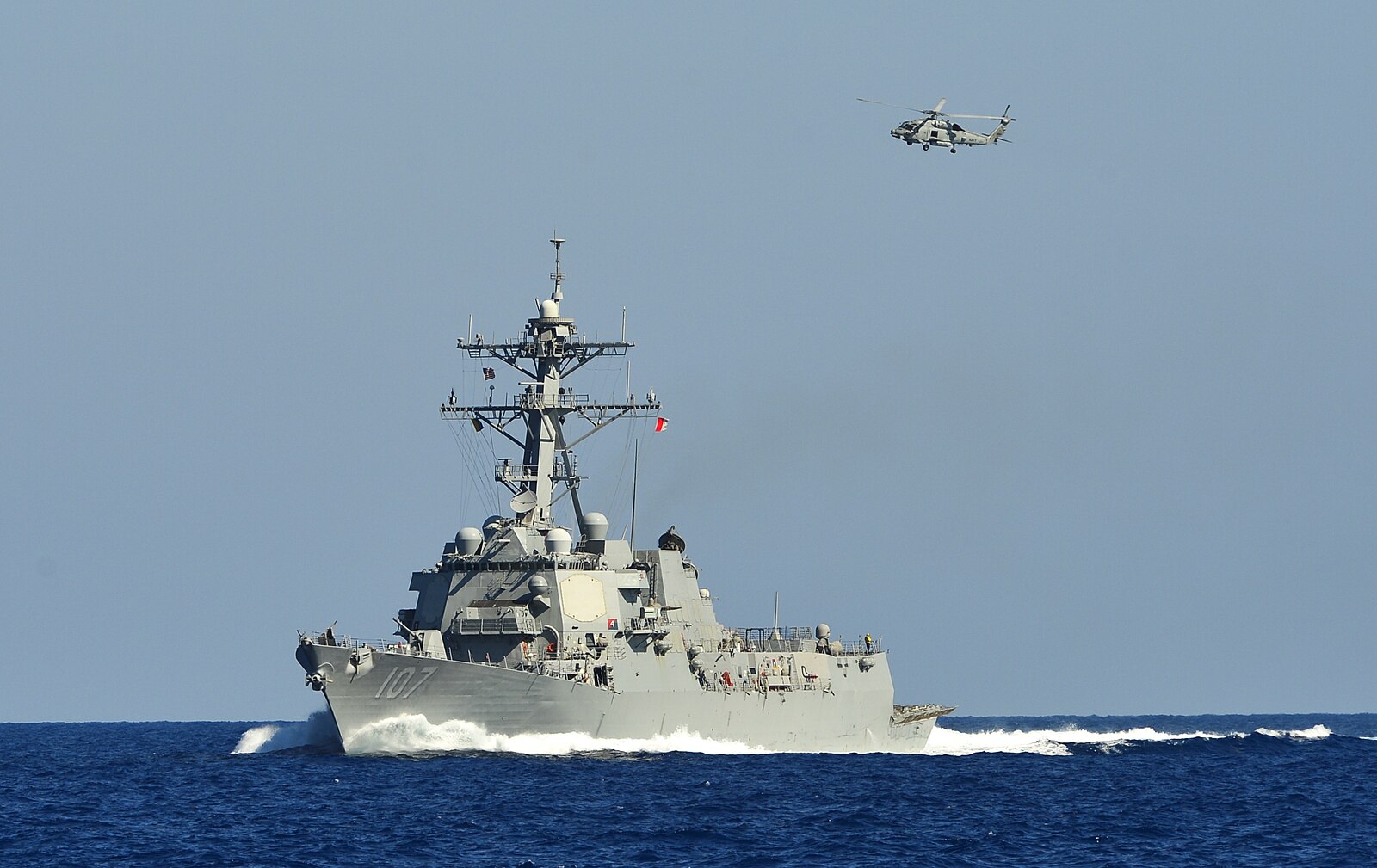
The United States is moving three Aegis-class guided-missile destroyers into waters near Venezuela as part of President Donald Trump’s expanded campaign against Latin American drug cartels, according to U.S. defense officials. The USS Gravely, USS Jason Dunham, and USS Sampson are expected to arrive in the Caribbean within days, where they will operate for several months alongside other American naval and air assets.
The deployment reflects Trump’s push to use the military in counter-narcotics missions, blaming cartels for the surge of fentanyl and other synthetic drugs in U.S. communities. The effort includes thousands of Marines, surveillance aircraft, and even a submarine to extend coverage across international waters and skies. White House Press Secretary Karoline Leavitt said the president was prepared to use “every element of American power” to disrupt the drug trade and to hold foreign leaders accountable for aiding traffickers.
The announcement follows the administration’s decision earlier this month to double the reward for the capture of Venezuelan President Nicolás Maduro to $50 million. Attorney General Pam Bondi said U.S. authorities had already seized roughly $700 million in assets linked to Maduro, including private aircraft and luxury vehicles. Washington accuses the Venezuelan leader of directing what it calls a “narco-terror cartel” tied to cocaine shipments laced with fentanyl. Maduro was indicted in a New York federal court in 2020 on charges of narco-terrorism and conspiracy to import cocaine.
Venezuelan officials dismissed the U.S. accusations as baseless. Foreign Minister Yvan Gil issued a statement accusing Washington of using drug charges as a political weapon and argued that Venezuela continues to advance “in peace and sovereignty.” The government also announced a temporary ban on drone sales and flights in Venezuelan airspace, a move linked to concerns about possible assassination attempts similar to the 2018 drone attack that exploded near Maduro during a military parade.
In Caracas, Maduro responded to the reports of U.S. naval movements by calling for the mobilization of more than 4.5 million militia members across the country. These units, originally organized by Hugo Chávez, consist of civilian volunteers who support Venezuela’s armed forces. Maduro told supporters in a televised speech that the militias would be armed with rifles and missiles to defend “seas, skies, and land” from foreign threats. He characterized U.S. pressure as “outlandish threats from a declining empire” and pledged that Venezuela would not bow to outside intervention.
Relations between Washington and Caracas have been tense for years. The U.S. cut formal diplomatic ties in 2019 after recognizing opposition leader Juan Guaidó as interim president and has refused to accept Maduro’s last two election victories. Sanctions targeting Venezuela’s state-run oil sector have compounded the country’s economic crisis, while the Trump administration has steadily escalated efforts to paint Maduro’s government as a criminal enterprise tied to international cartels.
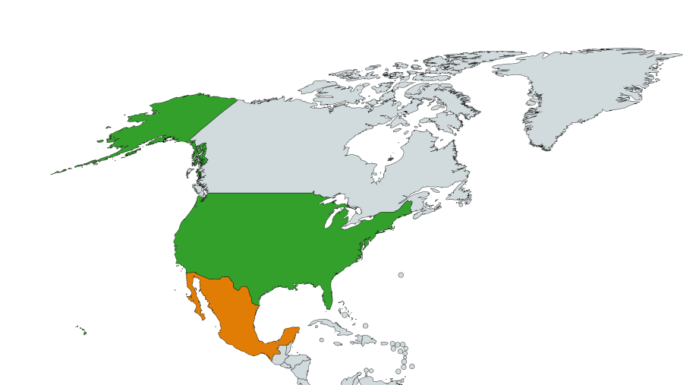
Regional reactions remain mixed. Mexican President Claudia Sheinbaum has resisted U.S. calls for joint military action, citing sovereignty concerns, even as she faces pressure from Washington to take a harder stance against cartels inside Mexico. Meanwhile, critics warn the latest naval buildup risks further inflaming tensions with Venezuela and complicating regional diplomacy.
For now, U.S. destroyers are positioning just off Venezuela’s coast, a visible show of force as the standoff deepens. Whether the moves succeed in cutting cartel networks or simply harden Caracas’s resolve remains uncertain.
Image is in the public domain and was created by Billy Ho/U.S. Navy









.jpg)