President Donald Trump said Friday that his administration has made an oil agreement with Venezuela involving fields containing an estimated 65 billion barrels of proven reserves. The arrangement would give the United States a controlling role in a new venture developing those fields.
The plan involves 17 oil fields in Venezuela. According to the Venezuelan government, more than $100 billion could be invested in the country’s oil industry as part of the project. Venezuela could also collect more than $209 billion in taxes connected to the development.
Trump said Secretary of State Marco Rubio and Defense Secretary Pete Hegseth worked with interim Venezuelan President Delcy Rodríguez on the agreement. Private business is also involved, although the operator participating in the project has not been publicly named.
A U.S. official familiar with the agreement said a new company would be formed with the private operator. The venture would receive permission to work the Venezuelan fields for 100 years. The U.S. would have an ownership interest and control equal to 55% of the company’s output. It would also have the ability to purchase petroleum from the venture at cost. Some of the oil purchased this way is expected to supply the U.S. military and replenish the strategic petroleum reserve.
The amount of oil involved is large compared with current U.S. reserves, and Trump said the agreement would more than double them.
Venezuela itself holds an estimated 303 billion barrels of crude oil underground, or roughly 17% of the global supply. Much of that oil has already been located and mapped. Getting it out of the ground at a much higher rate is another issue. Venezuela currently accounts for only about 1% of worldwide oil production because its infrastructure has deteriorated.
That means any effect on American fuel prices may take time. Expanding Venezuela’s production would require major spending and years of work on oil infrastructure.
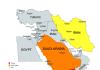
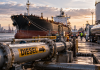
Gas prices have become a growing issue for Trump as the U.S.-Israel war with Iran reaches six months. The average U.S. price stood at around $4.09 per gallon Friday. A year earlier, it was $3.21. The conflict has slowed the movement of petroleum through the Strait of Hormuz, a route that handled about one-fifth of the world’s petroleum before the war.
American petroleum reserves have also declined. By early August, the strategic reserve held fewer than 300 million barrels after dropping by more than 100 million barrels since the beginning of the year.
Rubio said the agreement could help bring down U.S. fuel costs while directing billions of dollars in private investment into Venezuela. Rodríguez has said the project could help rebuild Venezuela’s oil industry and economy.
The political situation in Venezuela changed earlier this year when U.S. forces captured Nicolás Maduro. He was taken to the United States to face federal narcoterrorism and drug trafficking charges and has pleaded not guilty. Rodríguez later opened Venezuela’s oil industry to greater private involvement, reversing a policy that had shaped the country’s oil sector for years.
American oil companies have previously shown some caution about returning to Venezuela because of the country’s political conditions and damaged oil infrastructure. Trump has continued pushing for U.S. companies to invest there.
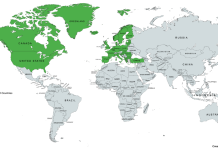
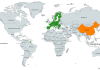
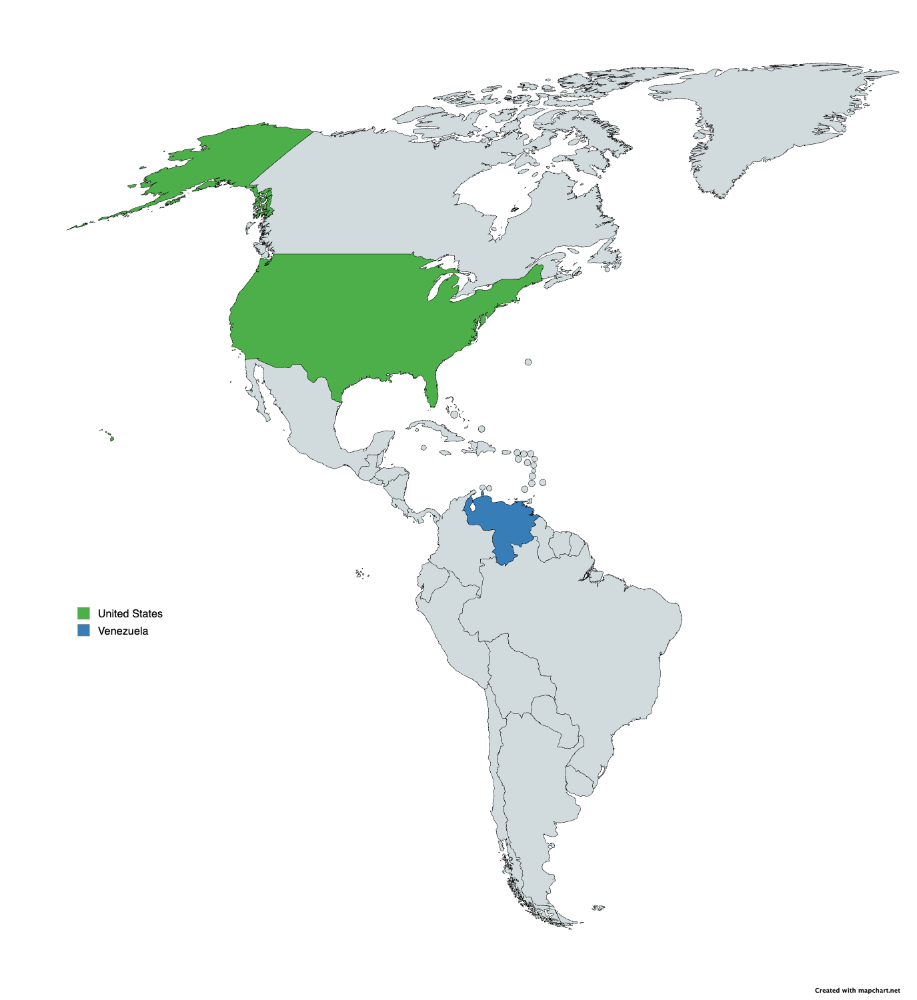
USA = Green
Venezuela = Blue
Image is licensed under the Creative Commons Attribution-Share Alike 4.0 International license and was created using MapChart (https://mapchart.net).