Emergency room visits related to tick bites have climbed to their highest seasonal levels in nearly a decade, according to new data from the Centers for Disease Control and Prevention.
The CDC’s Tick Bite Tracker shows that in April 2026, about 71 out of every 100,000 emergency department visits were connected to tick bites. The historical seasonal average is around 30 per 100,000 visits. The increase has been reported across most regions of the country and is raising concerns about Lyme disease and other illnesses spread by ticks.
Children younger than 10 and adults between 70 and 79 years old recorded some of the highest rates of tick-related ER visits. Health officials say the numbers suggest tick activity is increasing earlier and more aggressively than usual this year.
Doctors point to a mix of environmental and ecological changes. Dr. Steven Goldberg, a family medicine physician in Louisville, Kentucky, said the range of the blacklegged tick has expanded steadily over the last three decades. As those ticks spread into new areas, the risk of Lyme disease and other infections has grown as well.
Goldberg said the Ohio River Valley is one of the clearest examples. Lyme disease cases in Ohio have increased roughly tenfold over the past decade. States including Virginia and West Virginia have also reported growing tick populations and more disease cases than in previous years.
The lone star tick is expanding too. Traditionally concentrated in the Southeast, it is now moving farther north. That shift is bringing conditions such as ehrlichiosis and alpha-gal syndrome into areas where many doctors may not routinely expect to see them.
Warmer weather appears to be playing a major role. Dr. Suraj Saggar, chief of infectious disease at Holy Name Medical Center in New Jersey, said milder winters and wetter conditions help ticks survive in places that were once too cold.
“Milder winters also extend the lifespan of both ticks and the animals they feed on,” Saggar said. He added that changing temperatures and rainfall patterns are allowing ticks to spread into new ecosystems and remain active for longer periods.
Other factors may be contributing as well. Increased development near wooded areas has brought more people into contact with tick habitats. Goldberg also pointed to the growth of white-tailed deer populations, which serve as important hosts for adult blacklegged ticks. Small mammals, especially white-footed mice, help maintain the bacteria that causes Lyme disease.
Lyme disease remains the most common tick-borne illness in the United States. According to CDC estimates, about 476,000 Americans are diagnosed and treated for the disease each year. Saggar said Lyme disease cases have increased roughly two- to threefold over the past 20 years.
Doctors in Virginia say they are already seeing signs of a busy season. Dr. Richard Marconi said tick activity appears to be ramping up earlier than normal. The number of calls he receives about tick-related concerns remains elevated compared with past years.
Symptoms of tick-borne illnesses can include fever, chills, fatigue, headaches, muscle aches and joint pain. Lyme disease may also cause a bull’s-eye-shaped rash, though doctors say many people do not notice the early warning signs. If left untreated, the disease can lead to neurological problems, severe joint pain and chronic fatigue.
Experts are also watching other infections. Ticks can spread anaplasmosis, ehrlichiosis and babesiosis. Powassan virus, which can cause severe brain inflammation, has drawn particular concern because it can be transmitted within minutes of a tick attaching. Goldberg said more than half of survivors may experience lasting neurological effects.
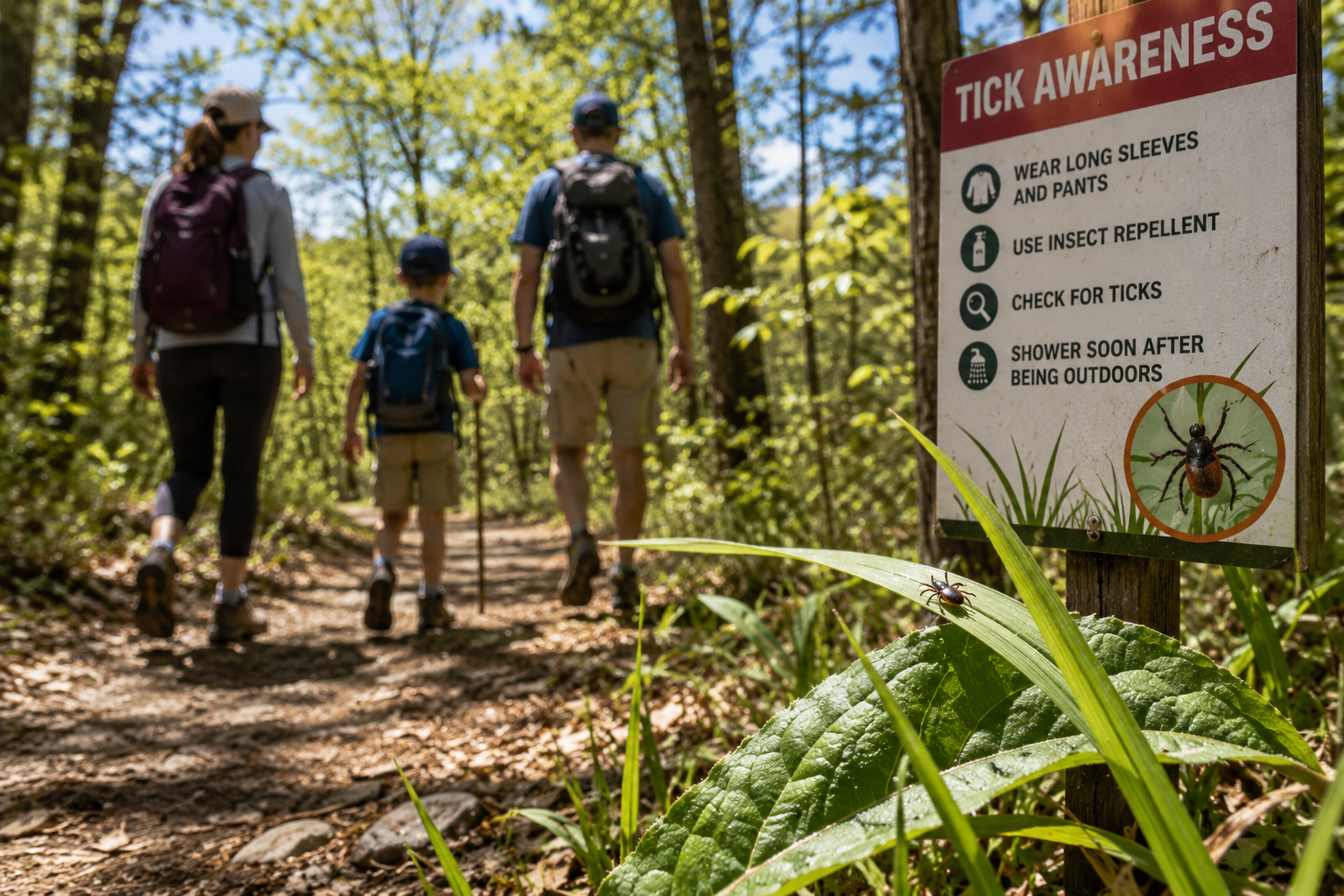
The CDC estimates that roughly 31 million Americans are bitten by ticks each year. With warmer temperatures expected through the summer months, health experts recommend using insect repellent, wearing long sleeves and pants outdoors, checking for ticks after spending time outside and removing attached ticks as soon as possible.