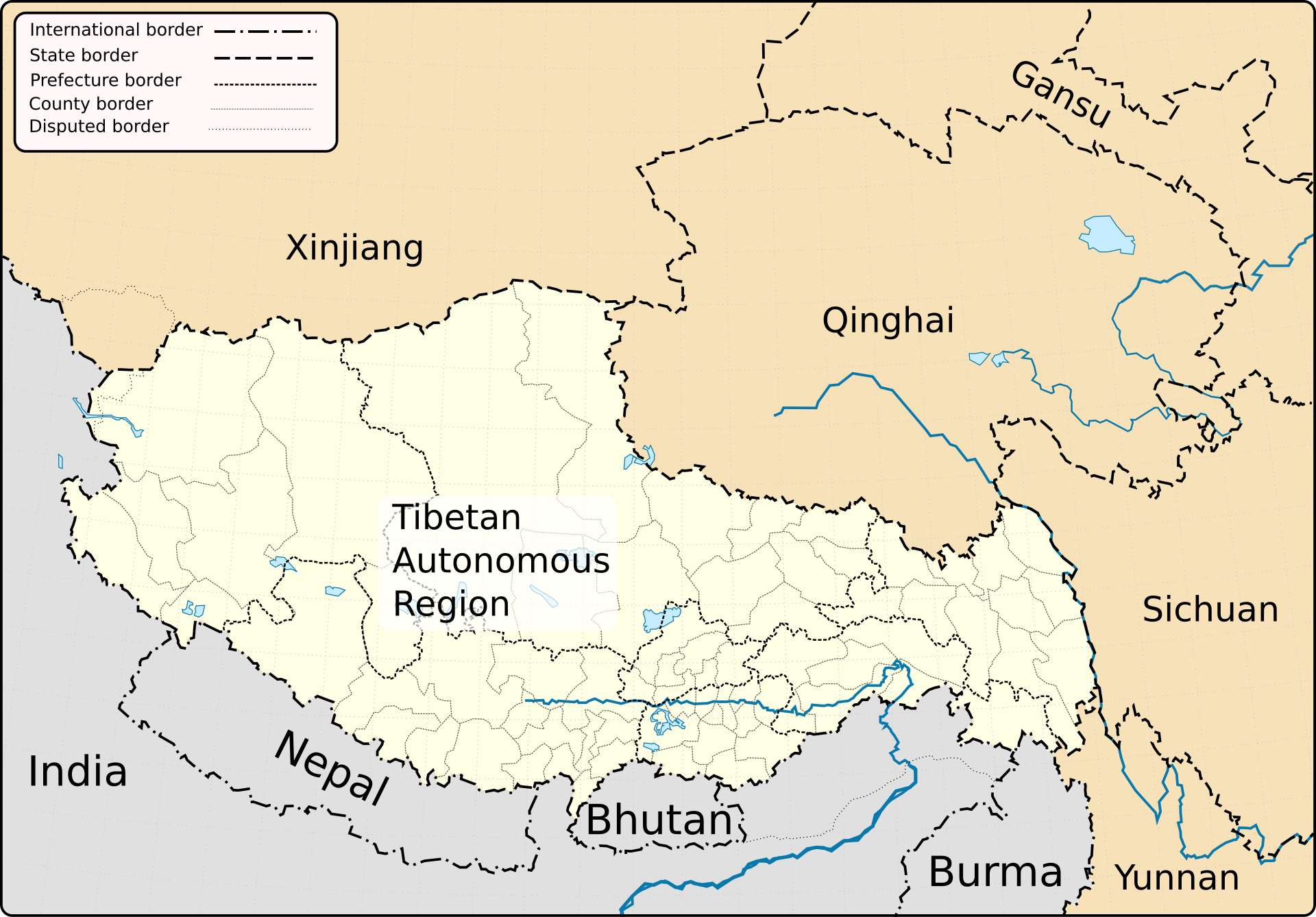
Helicopters and ground crews continued searching remote Himalayan valleys on Saturday as families waited for news of thousands of people still missing after a massive glacier collapse triggered a devastating flood along the Nepal-China border.
Three days after the disaster, authorities reported at least 633 deaths across Nepal and China’s Tibet Autonomous Region. Another 2,980 people remained missing, including 2,426 in Nepal and 554 in Tibet.
Nepal has recorded 626 deaths, while seven people have been confirmed dead on the Tibetan side of the border.
The disaster began Wednesday when a huge mass of glacial ice and rock broke away high in the Himalayas. Scientists examining satellite imagery said part of the mountainside’s bedrock appeared to have failed beneath a glacier, sending rock and ice into the valley below.
The collapse generated a powerful surge of water, mud, ice and debris that raced through the river system. Communities downstream had little warning before floodwaters swept through settlements, destroying homes, bridges, roads and power infrastructure.
Scientists at the Kathmandu-based International Centre for Integrated Mountain Development have identified a glacier avalanche as the likely trigger. At one monitoring location on the Trishuli River, water levels rose by as much as nine meters in roughly half an hour, demonstrating the speed of the flood.
Rescue operations have continued across a wide area. Nepalese authorities said 4,451 people had been rescued by Saturday morning, with thousands of soldiers, police officers and other emergency personnel involved.
Helicopters have been essential for reaching communities isolated by destroyed roads and bridges, although rain and poor visibility have disrupted some flights. Search teams are also combing riverbanks and debris fields because victims were carried long distances downstream.
One of the most difficult operations is taking place at the Upper Trishuli-1 Hydropower Project in Nepal’s Rasuwa district, where more than 100 people are feared trapped inside a tunnel filled with mud. Nepal has sought specialized international assistance for tunnel rescue operations and other technically challenging recovery work.
Hundreds of foreigners are among those still unaccounted for. At least 517 foreign nationals have been reported missing in Nepal, while Chinese authorities said 260 foreigners were among the missing in Tibet.
Many travelers had been heading to or returning from Mount Kailash and Lake Mansarovar, major pilgrimage destinations that attract Hindus, Buddhists and other visitors from around the world.
The Gyirong border area in Tibet also suffered extensive destruction. Floodwaters and debris damaged buildings, roads and transportation infrastructure around the important Nepal-China crossing, where Chinese military and emergency personnel have been conducting rescue operations.
Authorities on both sides of the border are monitoring lakes formed or altered by the collapse. Debris blocking mountain waterways can create unstable natural dams, raising fears that a sudden breach could send another surge downstream.
International assistance has continued to arrive as the humanitarian response expands. India has delivered emergency supplies and sent specialist support, while China and other countries have offered assistance. The United Nations, Red Cross and other relief organizations are also supporting affected communities.
The disaster has displaced thousands of people and caused extensive damage to homes, roads, bridges and hydropower facilities. Nepalese officials have estimated that reconstruction could eventually cost billions of dollars.
For now, the priority remains finding those still missing. With nearly 3,000 people unaccounted for and rescue teams struggling to reach some isolated areas, authorities expect the scale of the disaster to become clearer as searches continue.
Image is licensed under the Creative Commons Attribution-Share Alike 3.0 Unported license and was created by Keithonearth.