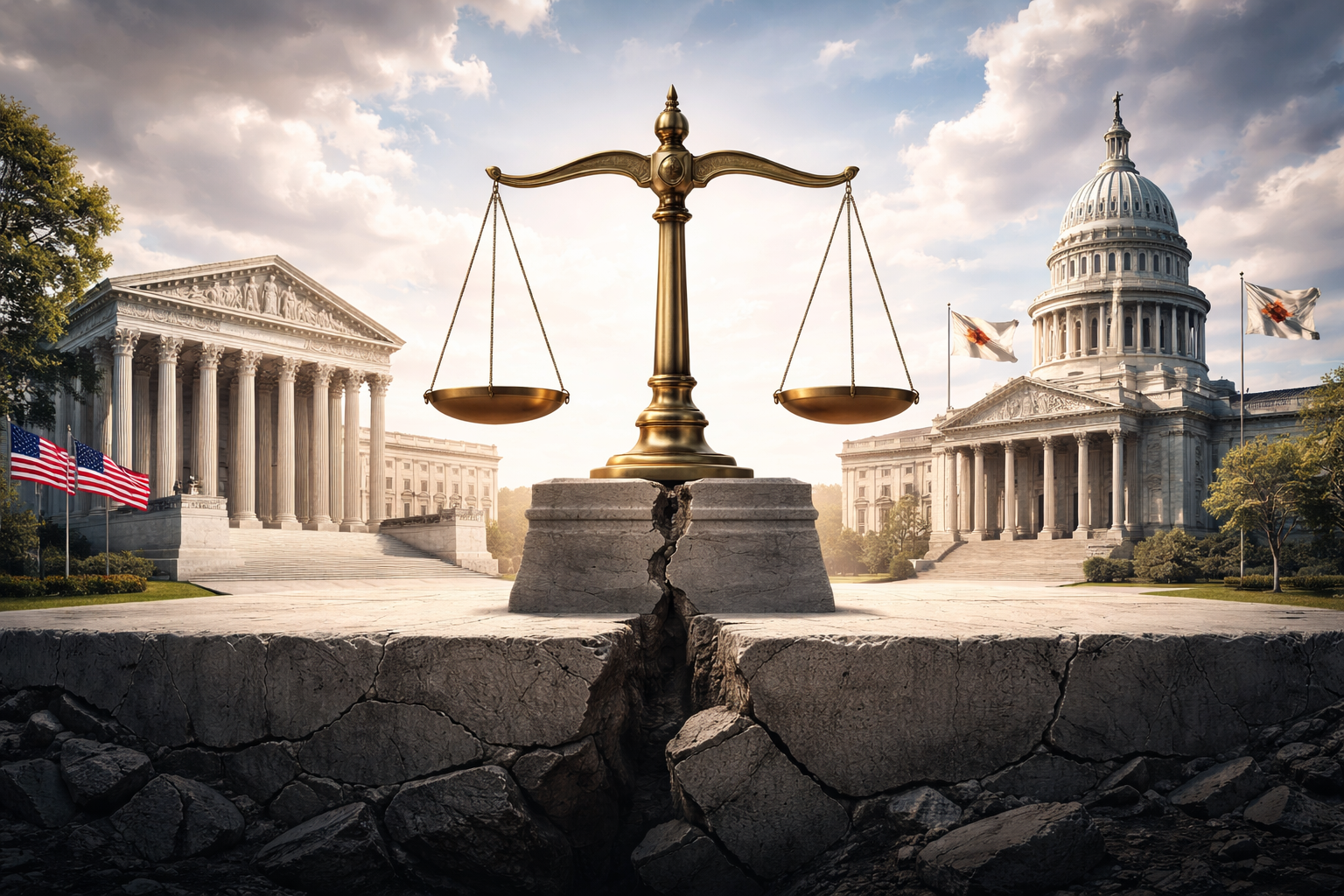
The U.S. Supreme Court on December 23, 2025, declined to lift a lower-court injunction blocking President Donald Trump’s effort to deploy federalized National Guard troops in Illinois. The unsigned emergency order keeps the deployment on hold while the case continues in lower courts, reflecting ongoing disputes over presidential authority and the balance between federal and state power.
The dispute began after Trump issued a December executive order invoking the Insurrection Act of 1807 to federalize elements of the Illinois National Guard for deployment to Chicago. The administration said the move was intended to address public safety and humanitarian concerns tied to crime and pressures from increased migrant arrivals. Illinois officials challenged the order in federal court, arguing that conditions in the state did not meet the legal standards required to invoke the Act.
Illinois Governor J.B. Pritzker rejected the deployment and said it represented federal overreach into state authority. A federal district court issued an injunction stopping the deployment, and an appeals court left that ruling in place. The Trump administration then asked the Supreme Court to intervene and lift the block.
In a 6–3 decision, the Court declined to do so at this stage. Justices Samuel Alito, Clarence Thomas, and Neil Gorsuch dissented, arguing that lower courts should not have restrained the president’s authority so early in the dispute. The majority did not issue a full opinion on the merits and instead allowed the case to proceed through the normal appellate process.
The Court’s order did not settle broader questions about the scope of the Insurrection Act or declare that a governor’s consent is always required for National Guard deployments. Rather, it leaves unresolved whether the administration adequately showed that Illinois authorities were unable or unwilling to enforce the law, which is a central requirement under the statute.
The case has drawn comparisons to earlier uses of federal power, including President Dwight D. Eisenhower’s deployment of troops to enforce school desegregation in Little Rock in 1957. Legal analysts note that those actions followed open defiance of federal court orders, a circumstance not present in the Illinois dispute.
Civil liberties groups, including the American Civil Liberties Union, welcomed the Court’s decision to keep the deployment blocked while litigation continues. Illinois officials also supported the outcome. Chicago Mayor Brandon Johnson said the city is addressing public safety and migrant support through local law enforcement and social services rather than military involvement.
The White House said it is reviewing its legal options, including continuing to defend the executive order in lower courts or seeking congressional authorization. Legal experts expect the case to remain closely watched as debates over immigration, crime, and federal authority continue to play out between Washington and the states.
This image is the property of The New Dispatch LLC and is not licenseable for external use without explicit written permission.