For about 25 hours each year, millions of Jewish people around the world observe a day that looks very different from an ordinary holiday. There are no large celebratory meals during the day. Instead, many people fast, attend synagogue services, ask for forgiveness and reflect on their actions during the past year. This is Yom Kippur, the Jewish Day of Atonement and the holiest day of the year in Judaism.
In 2026, Yom Kippur begins at sundown on Sunday, Sept. 20, and continues until nightfall on Monday, Sept. 21. The holiday falls on the 10th day of Tishrei on the Hebrew calendar, so its date on the Gregorian calendar changes from year to year. It comes shortly after Rosh Hashanah, the Jewish New Year, and concludes a period known as the Ten Days of Repentance.
Yom Kippur has roots going back to biblical times. The holiday is described in the Torah, including in the Book of Leviticus, which sets aside a day for atonement and self-denial. In ancient times, the observance was closely connected to the Temple in Jerusalem and the work of the High Priest.
One ancient ritual involved two goats. According to Leviticus, one was used as an offering, while the sins of the community were symbolically placed on another goat before it was sent into the wilderness. The biblical ritual later gave rise to the English term “scapegoat.” As part of the Yom Kippur rituals, the High Priest also entered the Holy of Holies, the most sacred area of the Temple.
The way Yom Kippur was observed changed after the destruction of the Temple in Jerusalem. With the Temple rituals no longer possible, prayer, fasting and repentance became central parts of the observance. Those practices remain at the center of Yom Kippur today.
For many Jewish people, Yom Kippur remains a major part of Jewish religious and cultural life. It provides a specific time to look back at one’s behavior, acknowledge mistakes and consider how to act differently in the year ahead. Seeking forgiveness from other people is also an important part of the period surrounding the holiday. Rather than celebrating in the usual sense, Yom Kippur focuses on stepping away from everyday life for repentance and reflection.
One of its best-known traditions is fasting. Jewish adults who are able to fast traditionally abstain from food and drink for about 25 hours. Traditional observance also includes refraining from bathing or washing, applying lotions or oils, wearing leather footwear and engaging in marital relations. Work is also traditionally prohibited. People who cannot safely fast, including those with certain medical conditions, may be exempt or follow modified requirements.
Much of Yom Kippur can be spent at a synagogue. The evening observance begins with Kol Nidrei, which has become closely associated with the holiday. Throughout Yom Kippur, worshippers take part in prayers centered on confession, repentance and forgiveness.
During the morning services, many congregations hold Yizkor, a memorial service for people who have died. During the afternoon service, the Book of Jonah is traditionally read. Its story of repentance and forgiveness fits closely with the themes of Yom Kippur.
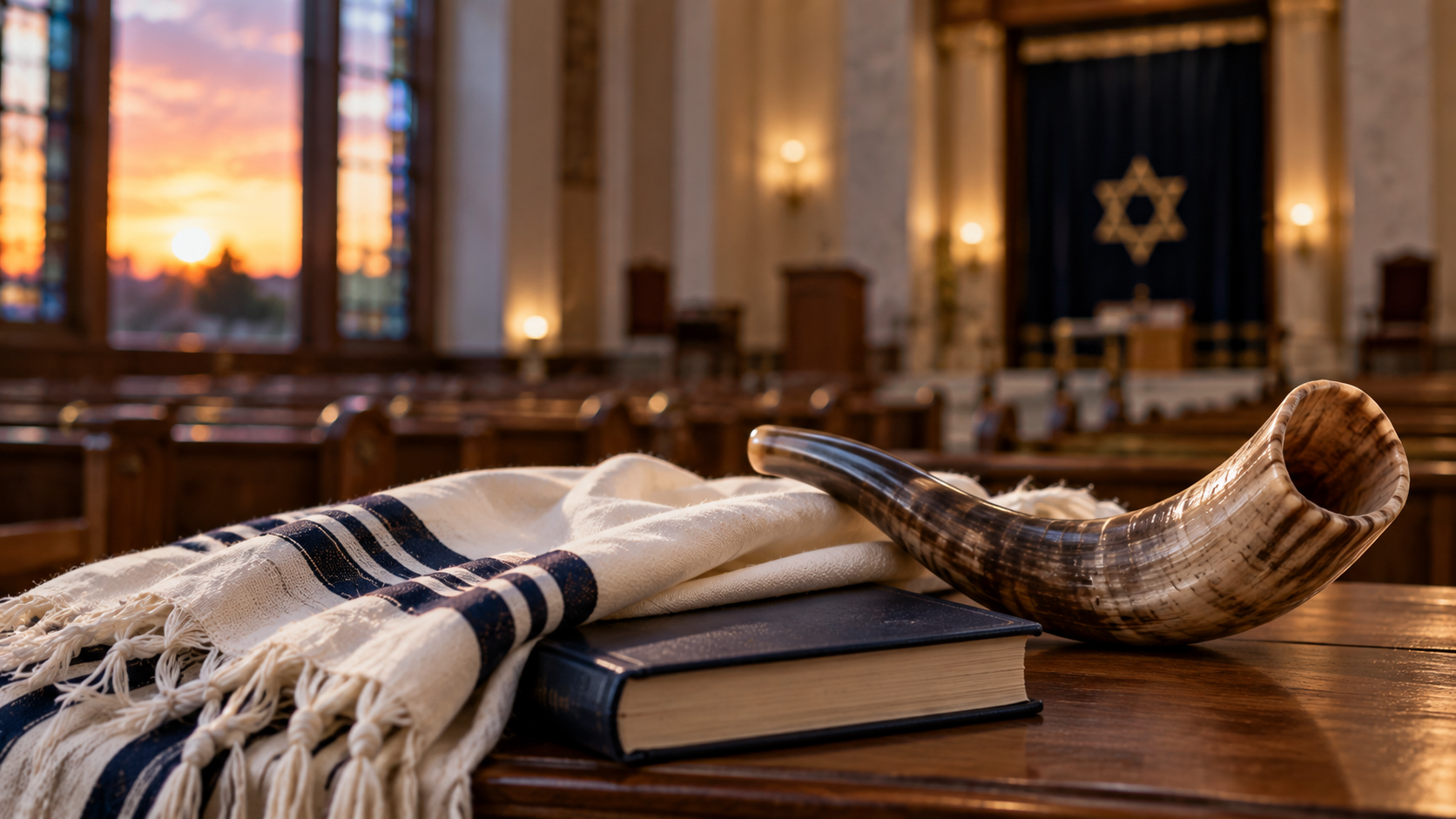
The final service is called Neilah and takes place as Yom Kippur draws to a close. A blast of the shofar, a ram’s horn, traditionally marks the end of the day’s religious observance.
After nightfall, the fast ends. Families and friends may gather for a meal, bringing an intense day of prayer, fasting and reflection to a close before returning to their regular routines.
This image is the property of The New Dispatch LLC and is not licenseable for external use without explicit written permission.