Japan is moving ahead with plans to create its first centralized intelligence agency since World War II as the government looks to strengthen its national security and improve the way intelligence is gathered and shared. The legislation passed Japan’s upper house in May after clearing the lower house the month before, marking a major change in the country’s approach to intelligence.
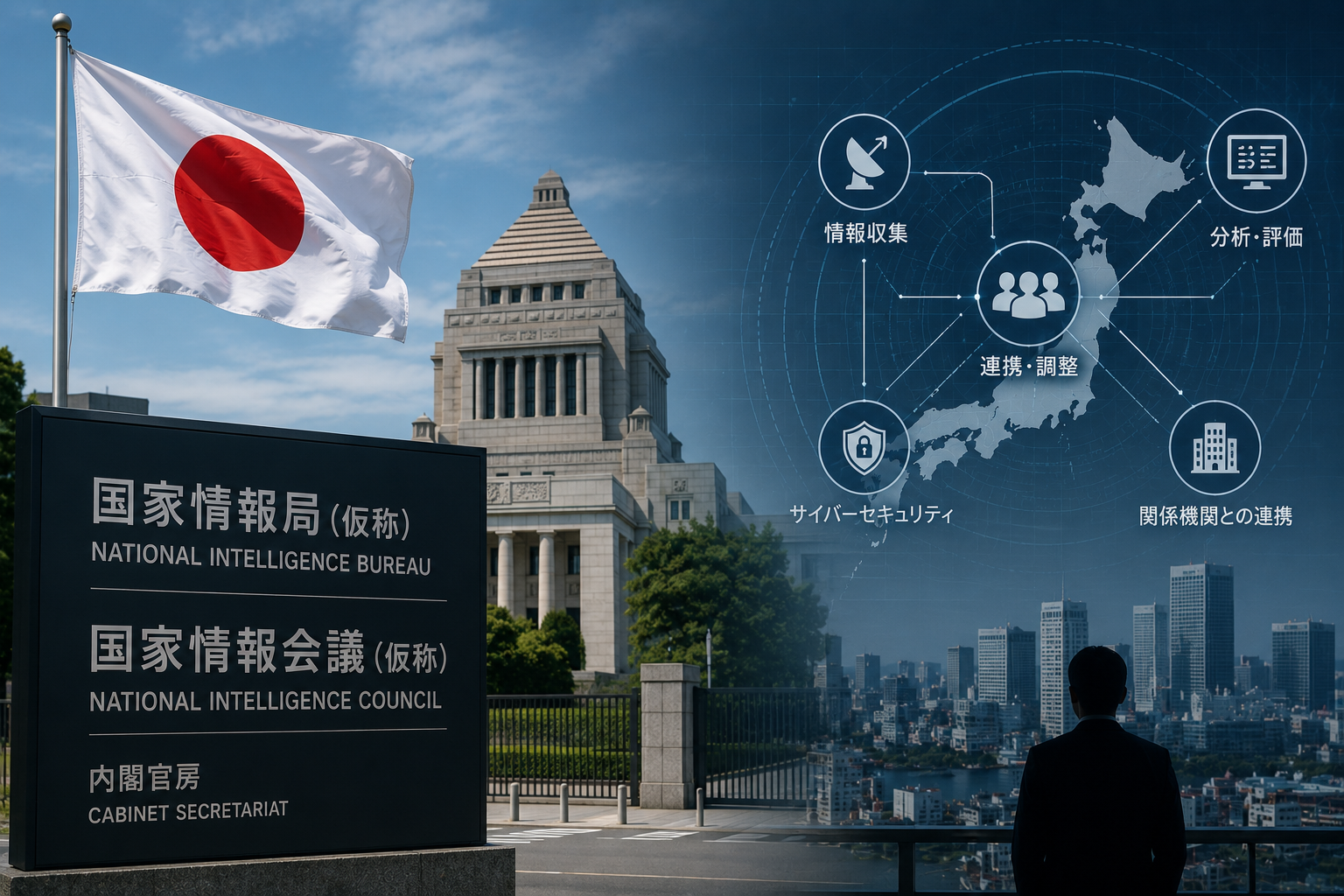
Prime Minister Sanae Takaichi has called the law “a first step” toward improving Japan’s espionage capabilities. The new system will replace the current Cabinet Intelligence and Research Office with two organizations: a National Intelligence Council that will oversee intelligence gathering and analysis, and a National Intelligence Bureau that will coordinate operations across the government. The bureau is expected to have around 700 employees and will help organize intelligence work that has long been spread across different departments.
Unlike the US Central Intelligence Agency, Japan’s new structure is expected to follow its own model. Experts say the goal is to improve coordination between agencies and make intelligence reports more useful for government leaders. Western allies including the United States, Germany, and Australia have reportedly advised Japan on technology, staffing, and planning for the new organization. The government is also expected to receive guidance on cybersecurity and protecting industrial information.
Japanese officials say the country faces growing security challenges from nearby countries including China, North Korea, and Russia. Experts also point to Japan’s dependence on US intelligence for decades and argue that the country now needs stronger independent capabilities. Ken Kotani, a professor at Nihon University, said Japan has gradually started pursuing its own security policy and now needs to collect intelligence on its own. It is a different direction from the Cold War years.
Specialists have also argued that Japan’s current system has major weaknesses. Intelligence responsibilities are divided among different organizations, making it difficult to share information or coordinate investigations. Japan also lacks an anti-espionage law, something experts say has made it easier for foreign intelligence operations to take place inside the country. One researcher noted that former Russian intelligence officers even described Japan as a “paradise for spies.” That description has stayed around for years.
The reforms come as Takaichi’s government continues expanding Japan’s defense policies. The cabinet approved its largest-ever defense budget and has taken steps toward easing restrictions on exporting lethal weapons. Those moves have led to antiwar protests, though an April opinion poll found that only 19 percent opposed the intelligence reform bill, while about 40 percent said they were indifferent and the remaining respondents supported it.
The changes have also raised concerns about privacy and surveillance because of Japan’s wartime history. Before and during World War II, the Special Higher Police monitored and arrested people for their political beliefs, leaving many citizens wary of expanded government powers. Researchers involved in the debate say the new legislation does not create broad new surveillance authorities and is focused on improving coordination rather than increasing powers over civilians. Government officials have also stated that constitutional rights will continue to be respected as the new intelligence system is put into place.
This image is the property of The New Dispatch LLC and is not licenseable for external use without explicit written permission.