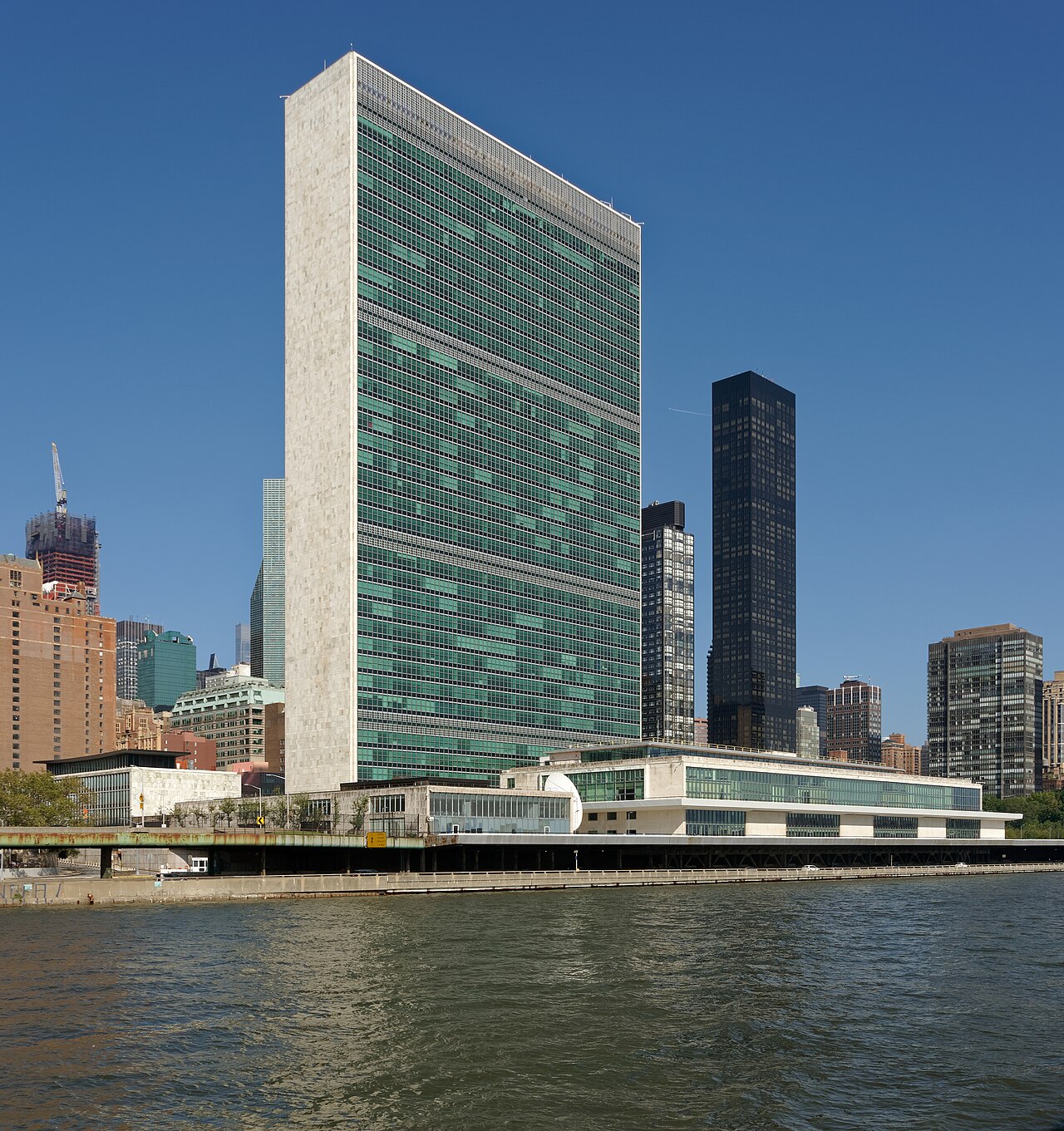
The United Nations is facing a severe cash crisis that could disrupt its ability to operate within months, according to a stark warning from Secretary-General António Guterres. In a letter sent to all 193 member states, Guterres said the organization could run out of money by July unless countries either pay what they owe or agree to change long-standing financial rules that govern how the UN manages its budget.
At the heart of the problem is the failure of several member states to pay their mandatory assessed contributions in full and on time. These payments fund the UN’s core activities, from diplomacy and mediation to human rights monitoring and humanitarian coordination. While more than 150 countries paid their dues in 2025, overall collections reached only about 77% of what was required, leaving a record level of unpaid contributions by the end of the year.
The largest share of outstanding debt belongs to the United States, traditionally the UN’s biggest contributor. According to UN officials, Washington currently owes more than $2.1 billion to the organization’s regular budget, including hundreds of millions for the current year and unpaid amounts from previous years. In addition, the US owes roughly $1.8 billion for peacekeeping operations, a figure expected to grow if payments continue to be delayed.
Under President Donald Trump, the US administration has openly questioned the value of the UN and cut funding to numerous agencies. It has withdrawn from bodies such as the World Health Organization and UNESCO, arguing that they waste taxpayer money or promote agendas at odds with US priorities. While the administration pledged limited funding for humanitarian programs late last year, that commitment fell far short of past levels of support.
Other countries are also in arrears, though on a much smaller scale. Venezuela, which has faced deep economic turmoil, is the second-largest debtor and has already lost its General Assembly voting rights after falling two years behind on payments.
Guterres warned that the crisis is made worse by a rule requiring the UN to return unspent funds to member states, even if the organization never received that money in the first place. As a result, the UN has been forced to refund hundreds of millions of dollars it does not have, draining its remaining cash reserves. “We cannot execute budgets with uncollected funds, nor return funds we never received,” he wrote.
The effects of the shortfall are already visible. At UN offices, cost-saving measures such as reduced heating and limited use of facilities have become common. Across the system, agencies report hiring freezes, program cuts, and reduced capacity to respond to emergencies. Human rights investigations, support for women’s health, and food assistance for refugees have all been scaled back due to lack of funding.
Guterres stressed that the current path cannot continue. Without swift improvement in payments or changes to the financial framework, he warned, the UN will struggle to carry out the $3.45 billion budget approved for 2026. His message to member states was blunt: pay what is owed, or accept that the organization’s ability to function will be in jeopardy.
Image is licensed under the Creative Commons Attribution 4.0 International license and was created by Jakub Hałun.