Ukraine and Syria agreed to expand their security cooperation during talks in Damascus on Sunday, as Kyiv continues efforts to build stronger ties across the Middle East. The meeting brought together Ukrainian President Volodymyr Zelenskyy and Syria’s interim president Ahmad al-Sharaa, marking Zelenskyy’s first visit to the country since the removal of former Syrian leader Bashar al-Assad in 2024.
The visit was part of a broader regional tour by Zelenskyy. He had traveled to Turkey the day before and visited several Gulf countries the previous week. These trips come during ongoing conflict in the region involving Iran, as well as Ukraine’s continued war with Russia. Kyiv has been seeking new partnerships, especially in defense, while also offering its own experience in countering drone and missile attacks.
During the meeting, both leaders discussed ways to improve cooperation in security, defense, and economic development. Zelenskyy said Ukraine is ready to support Syria’s stability and rebuilding efforts following years of conflict. He also mentioned that both countries are interested in sharing expertise, particularly in military and security areas.
Al-Sharaa echoed similar points, saying the talks focused on strengthening economic ties and exchanging knowledge. Syria has been working to rebuild its international relationships after more than a decade of war and isolation. Since taking power, al-Sharaa has aimed to expand partnerships while balancing existing ties with countries like Russia.
One key factor in Syria’s position is the continued presence of Russian military bases in the country. Russia maintains two main bases on Syria’s Mediterranean coast: Khmeimim airbase and the naval facility at Tartus. These bases are important for Moscow’s military operations in the region, providing access to the Middle East, North Africa, and nearby waters.
The Tartus naval base has been in use since the Soviet era and was expanded by Russia in the early 2010s. It supports naval deployments, including warships and submarines. The Khmeimim airbase, operational since 2015, has been used for air missions in Syria and serves as a logistics hub for Russian activities beyond the country.
Despite new outreach to other nations, Syria still relies heavily on Russian military equipment. Al-Sharaa has acknowledged that most of Syria’s weapons are Russian-made, and alternatives are limited for now. At the same time, his government has explored new agreements with other countries, including Turkey.
Another topic discussed during Zelenskyy’s visit was food security. Ukraine is one of the world’s major grain producers, and Zelenskyy said his country is ready to help supply food to the Middle East. He described Ukraine as a reliable partner in this area and said both sides are interested in expanding cooperation to support regional needs.
Zelenskyy’s broader Middle East tour has also included defense agreements with countries such as Saudi Arabia and Qatar, with a similar deal reportedly close with the United Arab Emirates. These efforts show Ukraine’s attempt to build stronger international partnerships while continuing to deal with the challenges of its ongoing conflict with Russia.
Overall, the meeting in Damascus reflects both countries’ interest in closer cooperation across multiple areas, including security, trade, and development.
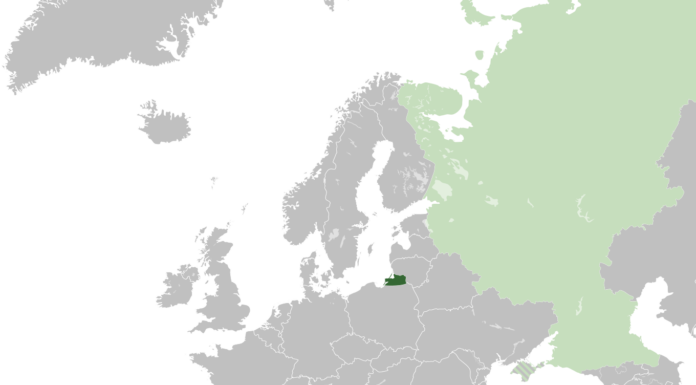
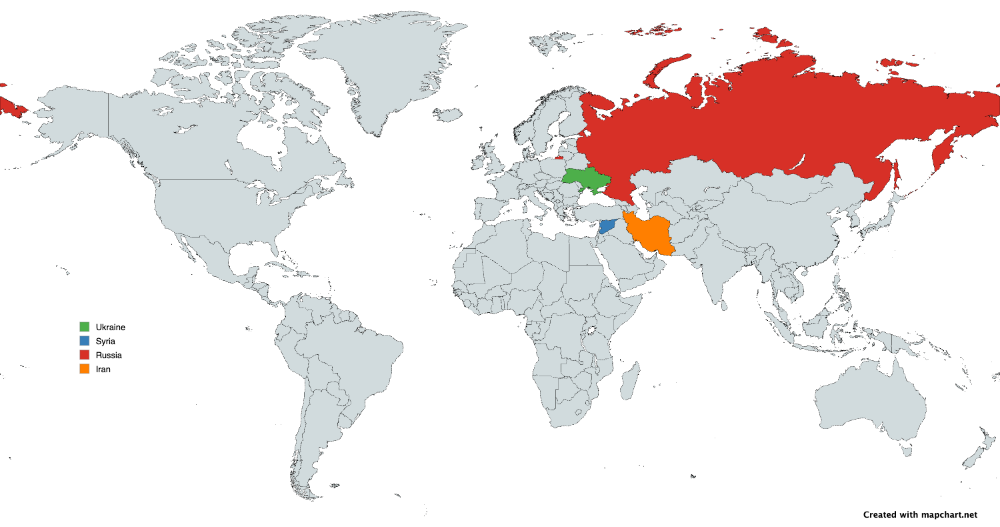
Ukraine = Green
Syria = Blue
Russia = Red
Iran = Orange
Image is licensed under the Creative Commons Attribution-Share Alike 4.0 International license and was created using MapChart (https://mapchart.net).