Two weeks into the war between the United States, Israel, and Iran, the conflict has intensified across the Middle East, bringing mounting casualties, military escalation, and growing fears of a prolonged confrontation.
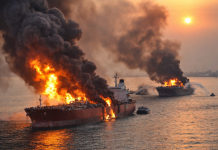
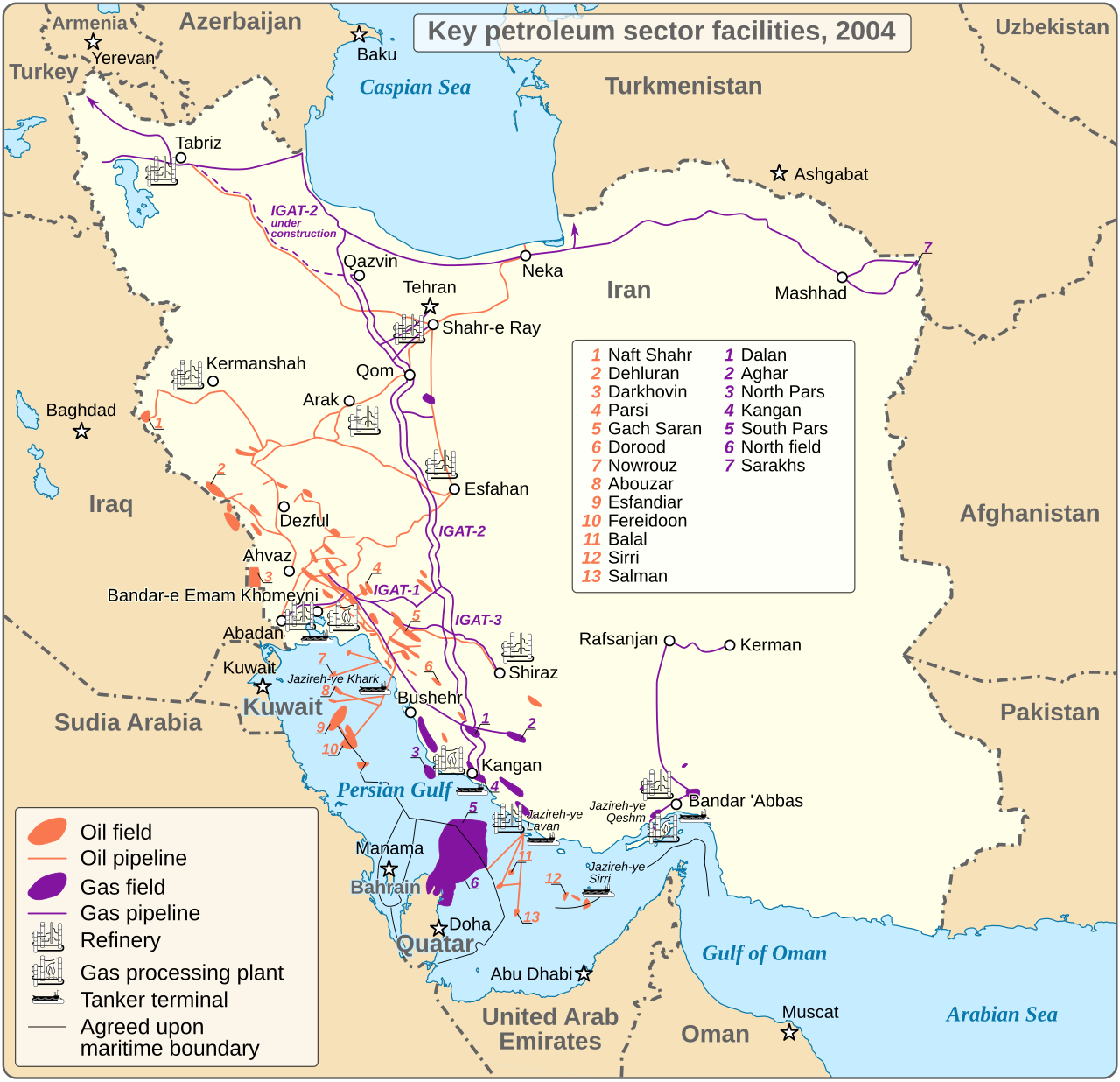
On Friday, Donald Trump announced that U.S. forces carried out major airstrikes on Kharg Island, a small island in the Persian Gulf that serves as the center of Iran’s oil export system. In a post on Truth Social, Trump said the U.S. military had “totally obliterated every military target” on the island during a bombing raid aimed at weakening Iran’s military presence there.
Despite the attack, Trump said U.S. forces deliberately avoided striking the island’s oil infrastructure. He explained that the decision was made “for reasons of decency,” though he warned the restraint could end if Iran interferes with shipping through the Strait of Hormuz, one of the world’s busiest maritime energy corridors. Nearly a fifth of global oil shipments pass through the strait each day.
Kharg Island sits about 15 miles off Iran’s southern coast and handles roughly 90 percent of the country’s crude oil exports. Pipelines carry oil from the mainland to the island’s large loading terminals, where massive tankers transport it to international markets, particularly China. Because of this role, any strike affecting the island’s oil facilities could have wide economic effects inside Iran and across global energy markets.
Iranian officials acknowledged the U.S. strikes but said oil export operations were not disrupted. State media reported that the attacks targeted air defense systems, a naval installation, a control tower, and a helicopter hangar. Local officials said no casualties were reported among military personnel or oil workers on the island and that exports continued as usual.
The war’s human toll, however, continues to rise across the region. Iranian and Lebanese authorities report more than 1,300 people killed in Iran and at least 773 deaths in Lebanon. In Israel, officials say 12 civilians have died, along with two Israeli soldiers during operations in Lebanon.
The United States has also suffered losses. U.S. Central Command confirmed Friday that six American service members were killed when a KC-135 refueling aircraft crashed in western Iraq. Officials said the crash was not caused by hostile fire. The incident brings the total number of U.S. military deaths in the conflict to 13, with seven killed during combat operations.
U.S. Defense Secretary Pete Hegseth said joint U.S.–Israeli strikes have hit more than 15,000 targets since the fighting began. According to U.S. officials, the campaign has damaged Iranian military infrastructure and injured Iran’s newly appointed supreme leader.
At the same time, American forces are expanding their presence in the region. About 2,200 additional Marines from the 31st Marine Expeditionary Unit are being deployed aboard the amphibious assault ship USS Tripoli. Their mission has not been publicly detailed, but the deployment adds to a growing naval force operating in the Gulf.
Regional officials warn that even if the main phase of the war slows, the fighting could shift into a cycle of ongoing attacks. Groups allied with Iran, including Hezbollah and the Houthi rebels, could continue launching missiles and drones at Israel, prompting repeated retaliation.
Such a pattern could leave the region trapped in recurring clashes rather than a clear end to hostilities. Meanwhile, millions of civilians in Iran and Lebanon have already been displaced as airstrikes and missile attacks continue to reshape daily life across the region.
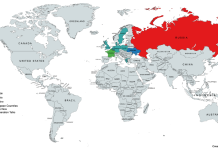
Image is licensed under the Creative Commons Attribution-Share Alike 4.0 International license and was created by Goran tek-en.