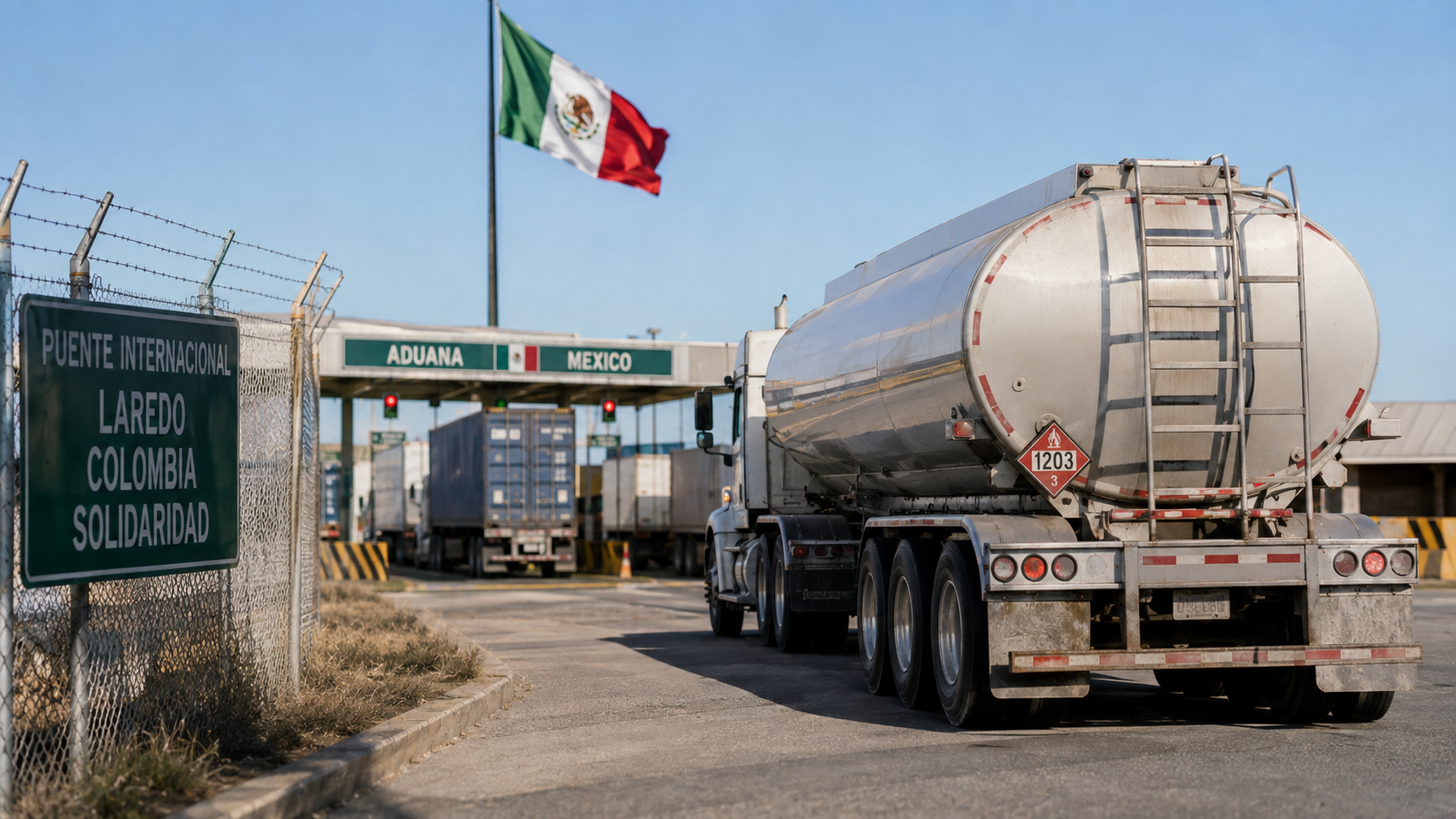
U.S. officials are stepping up efforts to stop Mexican cartels from smuggling fuel from the United States into Mexico, a trade authorities say has become another source of money for criminal organizations. Fox News correspondent Madison Scarpino reported on the allegations on “The Will Cain Show,” as federal officials focus more attention on what is known in Mexico as “huachicol fiscal.”
On June 30, 2026, the U.S. Treasury Department’s Financial Crimes Enforcement Network, or FinCEN, issued an alert describing how the fuel smuggling operations allegedly work. Fiscal fuel theft involves moving fuel from the United States into Mexico while avoiding Mexican import taxes.
The alert is part of a wider U.S. effort aimed at money laundering involving Mexico-based cartels, including the Jalisco New Generation Cartel, Sinaloa Cartel and Gulf Cartel. It follows another FinCEN alert issued in May 2025.
Mexico produces oil but also depends heavily on imported refined petroleum. According to the information released with the alert, U.S. exports account for more than 70% of Mexico’s fuel consumption. Importing that fuel legally involves several permits and government agencies.
Companies need a permit from Mexico’s Secretariat of Energy, known as SENER, to import fuel. Import taxes are paid through licensed customs brokers. Companies selling fuel also operate under permits from Mexico’s National Energy Commission, or CNE. The system generally separates companies allowed to import fuel from those permitted to commercialize it.
Authorities say cartels get around those rules by working through companies holding CNE permits but not SENER import permits. Those brokers allegedly purchase fuel from cooperating U.S. traders, many based in Texas. The traders use connections with refineries and distributors to obtain fuel before diverting it to front and shell companies tied to cartel networks.
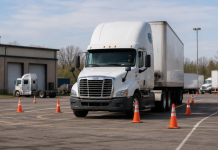
Getting it across the border happens in several ways. Authorities say customs documents can be falsified so fuel appears to be a product that is not subject to Mexico’s import tax. Bribes may also be paid to border officials, while shipping containers can be used to conceal fuel. Tanker trucks, railcars and sometimes vessels are also part of the alleged smuggling process.
Once inside Mexico, the fuel is stored and eventually sold through cartel-linked distribution companies, gas stations and unregulated roadside stops. False invoices are then created to make the fuel appear legally purchased. Because the import taxes were avoided, the fuel can be sold for less than fuel brought into Mexico through legal channels.
Payments move in different forms too. FinCEN said international wire transfers, digital assets including stablecoins, and structured cash deposits can be used. U.S. traders may then move illicit proceeds into luxury goods, real estate and investments.
Alongside the June alert, the Treasury Department’s Office of Foreign Assets Control imposed sanctions on two people and nine associated entities. Oscar Guillermo Juraidini Silva and his businesses were sanctioned over his alleged role as an accountant and planner of financial operations connected with the scheme. J. Refugio Ruiz Villagomez was sanctioned for knowingly smuggling fuel into Mexico.
Mexican authorities also took action. Mexico’s Financial Intelligence Unit blocked domestic bank accounts belonging to Juraidini, Ruiz Villagomez and nine other people identified through its own financial analysis.
Financial institutions are being asked to watch for suspicious behavior, including payments involving Mexican companies without SENER permits, businesses with little visible activity, large amounts of vague transactions and companies receiving money despite lacking infrastructure to store or transport fuel.
FinCEN says banks must follow Bank Secrecy Act reporting requirements when suspicious activity is found. During the 12 months after its May 2025 alert, financial institutions filed more than 160 Suspicious Activity Reports covering over $7 billion in activity connected to the schemes. Texas and Florida were the states most commonly implicated.
This image is the property of The New Dispatch LLC and is not licenseable for external use without explicit written permission.