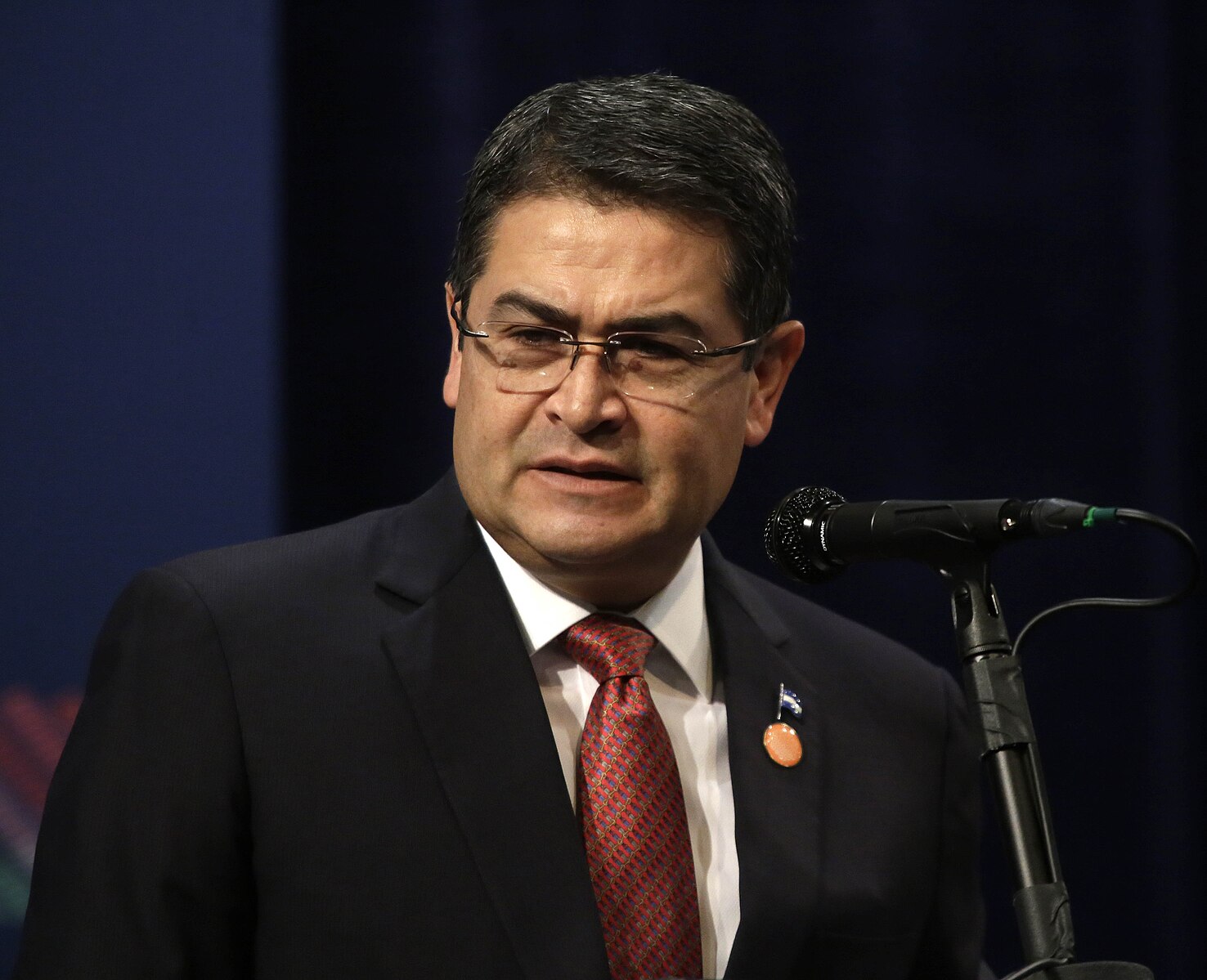
Former Honduran President Juan Orlando Hernández’s release from a U.S. prison has ignited debate across the Americas, reopening questions about drug policy, executive power, and political loyalties. Hernández, who was serving a 45-year sentence for aiding a vast cocaine-trafficking network, walked free after President Donald Trump granted him a pardon. The move came days after Honduras’ presidential election and immediately reshaped political conversations in both Washington and Tegucigalpa.
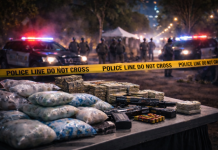
Hernández had been convicted in a New York federal court for enabling traffickers to move more than 400 tons of cocaine into the United States over nearly two decades. Prosecutors argued he accepted millions in bribes, including a $1 million payment from Joaquín “El Chapo” Guzmán, while presenting himself publicly as a tough opponent of organized crime. U.S. officials described his tenure as one in which drug networks flourished with protection from state institutions. Hernández denied wrongdoing throughout, claiming he had been targeted by traffickers and political rivals.
Trump defended the pardon during conversations with reporters, saying he acted after hearing from Hondurans who believed Hernández had been framed. He insisted the case reflected what he called wrongdoing by the Biden administration, which he accused—without providing evidence—of engineering the prosecution for political reasons. Hernández’s wife, Ana García, echoed that view, calling the conviction a manufactured effort to destroy her husband’s reputation. She thanked Trump and said her husband would address Hondurans soon from a secure location.
Democratic lawmakers and legal experts reacted sharply. Senator Dick Durbin said Hernández’s conviction rested on extensive evidence of his work with drug networks and warned that releasing him contradicted any claim of protecting Americans from narcotics. Analysts also noted the tension between Trump’s frequent promises to confront drug cartels and his decision to free a leader found guilty of enabling them. The Trump administration has repeatedly argued that the United States is engaged in an armed struggle with drug groups, justifying deadly maritime strikes on vessels accused of ferrying cocaine. Critics say the operations stretch legal boundaries and have caused dozens of deaths without public accountability.
Hernández’s release reverberated in Honduras, where political tensions remain high after an election with a razor-thin vote count. Trump openly supported Nasry Asfura, the National Party candidate, and some observers believe the pardon may have influenced perceptions of the race. Honduran officials, including Attorney General Johel Zelaya, signaled that Hernández could still face legal exposure at home despite the U.S. pardon. Corruption probes from his years in office never led to charges, but authorities suggested that may change.
The broader international reaction reflects concerns that the pardon could erode trust in U.S. anti-drug efforts. Analysts at policy institutes warn that freeing a former leader labeled by prosecutors as a driving force behind one of the world’s largest cocaine-smuggling networks may embolden corrupt actors in the region. Supporters of the pardon, however, maintain that Hernández was wronged and that Trump acted to correct an injustice.
As Hernández reenters public life, even from an undisclosed location, his legal and political futures remain uncertain—yet his release has already reshaped discussions on justice, drug enforcement, and power in the Americas.
Image is in the public domain and was uploaded by Kes47 and was created by the Presidencia de El Salvador.