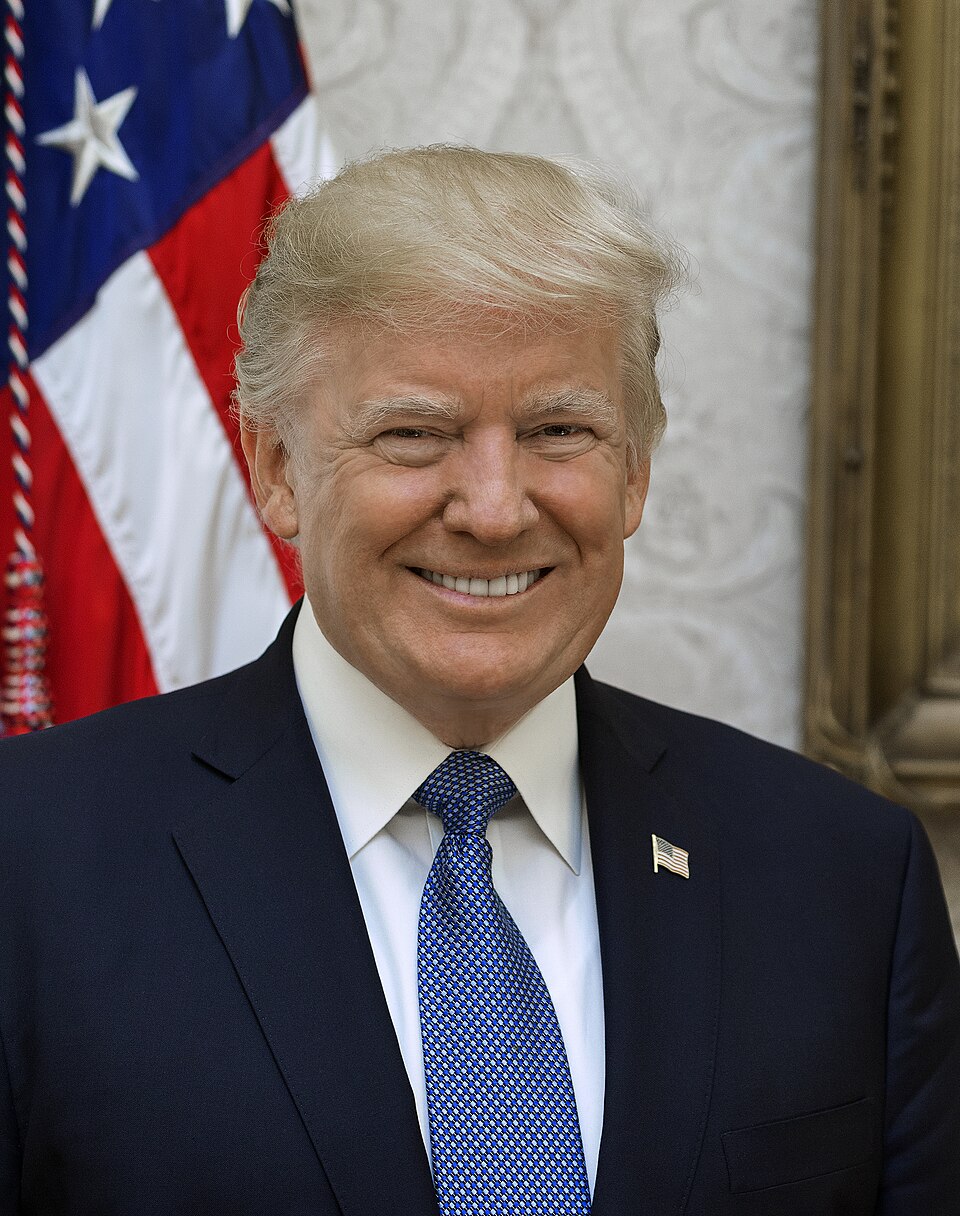
President Donald Trump delivered the first official State of the Union address of his second term Tuesday night, outlining his administration’s priorities on the economy, immigration enforcement, domestic policy and foreign affairs during a joint session of Congress.
The Feb. 24 address in the House chamber of the U.S. Capitol lasted approximately 1 hour and 48 minutes, making it the longest State of the Union speech in American history.
Republican lawmakers frequently applauded the president’s remarks, while many Democrats offered limited responses during extended portions of the speech, reflecting partisan divisions in Congress.
Trump opened by focusing on the economy, saying inflation had declined and wages were rising during his first year back in office. He credited extended tax policies, tariffs on foreign imports and deregulation efforts for what he described as renewed manufacturing growth and improving affordability for American families.
Immigration enforcement and border security were central themes throughout the address. Trump highlighted expanded deportation operations and stricter asylum policies, saying the measures had reduced illegal crossings and strengthened border security.
Early in the speech, Democratic Rep. Al Green of Texas was escorted from the chamber after displaying a protest sign, one of several moments reflecting tensions between lawmakers during the evening.
Foreign policy remarks focused on trade disputes and global security challenges. Trump defended his tariff strategy and called on allies to take greater responsibility for regional defense and security commitments.
The president also outlined domestic policy proposals, including the creation of a federal task force targeting fentanyl trafficking and renewed calls for expanded school choice initiatives. He reiterated plans to replace remaining portions of the Affordable Care Act while maintaining protections for individuals with pre-existing medical conditions.
The address included ceremonial moments recognizing invited guests seated in the House gallery. Trump honored military personnel and civilians for acts of service and achievement, drawing bipartisan standing ovations.
Virginia Gov. Abigail Spanberger delivered the official Democratic response following the address, focusing on affordability concerns and criticizing the administration’s economic and immigration policies.
Trump concluded by urging optimism and cooperation across party lines, encouraging lawmakers to work together despite political disagreements.
The speech followed a March 2025 address to a joint session of Congress that was not formally designated a State of the Union, making Tuesday’s speech the first official annual message of his second presidency.
Image is in the public domain and was created by the Whitehouse.