Energy markets surged on Thursday as escalating conflict in the Middle East disrupted critical oil and gas infrastructure, raising fears of tightening global supply. Prices for both crude oil and natural gas climbed rapidly after a series of coordinated strikes targeted key facilities across the Gulf region.
The sharpest reaction came from natural gas markets in Europe. Benchmark prices at the Dutch Title Transfer Facility jumped more than 16%, reflecting concern over reduced liquefied natural gas exports. Oil markets followed suit, with Brent crude briefly spiking above $119 per barrel before easing slightly, while U.S. crude also posted gains.
At the center of the disruption is Qatar, one of the world’s leading LNG exporters. Iranian missile strikes damaged facilities at Ras Laffan Industrial City, the largest LNG export hub globally. Authorities reported widespread destruction and fires, forcing emergency crews to respond quickly. Although no casualties were recorded, the damage forced a halt in production and removed a large portion of Qatar’s export capacity from the market.
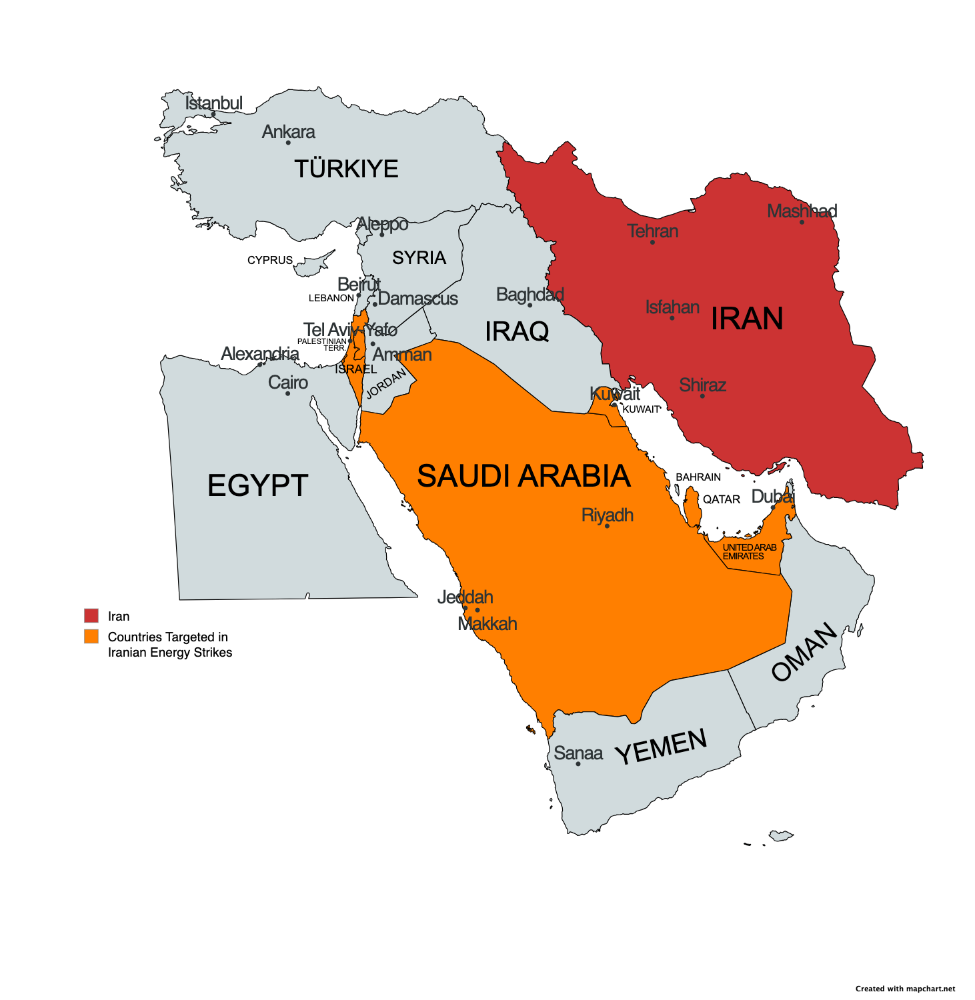
The attack came after Iran warned it would target energy assets across the Gulf in response to Israeli strikes on its own gas infrastructure. Within hours, facilities in Saudi Arabia, the United Arab Emirates, and Kuwait also came under attack. Some strikes were intercepted, but falling debris and precautionary shutdowns still disrupted operations.
These developments have intensified concerns about supply availability. Qatar alone accounts for nearly a fifth of global LNG shipments, and any prolonged outage could tighten energy markets worldwide. Europe, already reliant on LNG imports, may face added pressure, while countries in Asia and developing economies could struggle with higher costs.
Compounding the situation is the disruption of tanker traffic through the Strait of Hormuz, a critical chokepoint for global oil flows. With a large share of shipments either delayed or rerouted, transportation bottlenecks are adding another layer of strain. Even countries attempting to maintain steady imports, such as India, are facing logistical hurdles.
Market analysts warn that the situation could worsen if attacks expand beyond the Gulf. The current instability is shifting from a logistical issue into a deeper production challenge. When infrastructure itself is damaged or offline, restoring supply becomes far more difficult and time-consuming.
There is also concern about broader economic consequences. Rising fuel costs can ripple through industries, affecting everything from transportation to manufacturing. Higher natural gas prices may also impact electricity generation and fertilizer production, with knock-on effects for agriculture and food prices.
Political tensions continue to escalate alongside the market reaction. Gulf nations have condemned the strikes and signaled they may respond, while global leaders are calling for restraint to prevent further damage to civilian infrastructure. At the same time, the conflict is influencing diplomatic relations, with major economies weighing how to secure energy supplies without deepening geopolitical risks.
As the situation unfolds, traders remain on edge. Price swings are becoming more volatile as uncertainty grows over how long disruptions will last and whether additional facilities will be targeted. For now, energy markets are reacting not only to current supply losses but also to the possibility of wider instability that could reshape global energy flows.
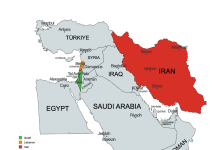
Iran = Red
Countries Targeted in Iranian Energy Strikes = Orange
Image is licensed under the Creative Commons Attribution-Share Alike 4.0 International license and was created using MapChart (https://mapchart.net).